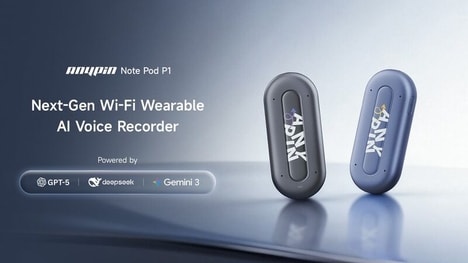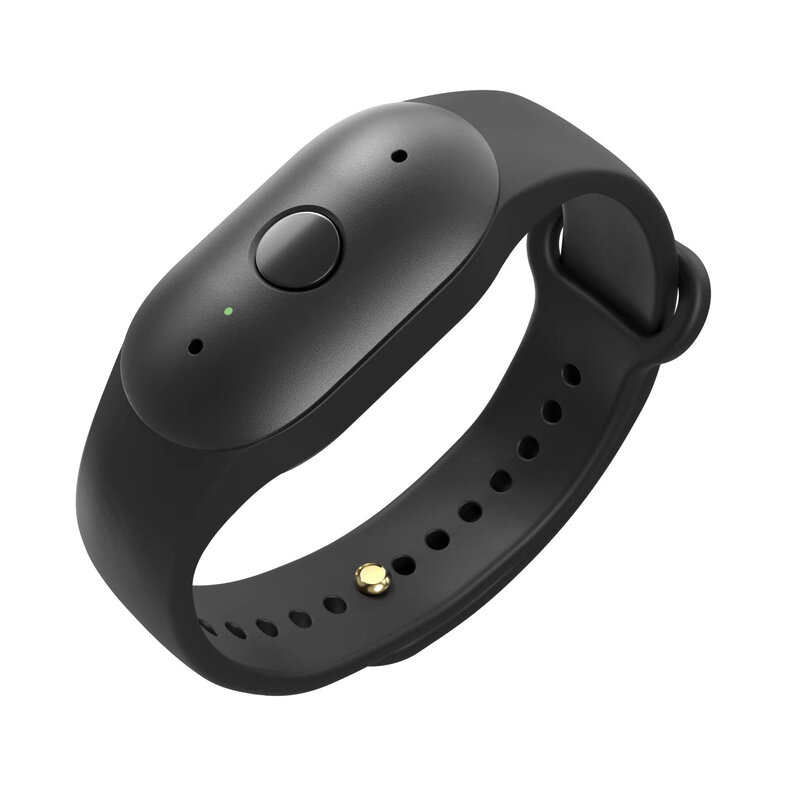
Bee is expanding its personal AI hardware lineup with its first products since Amazon bought the company last year. The 'Bee Frontier' is a wrist- or clothing-worn device, while the 'Bee Eclipse' is a slim unit that snaps onto a smartphone. Both turn spoken conversations into summaries and to-dos.
All Bee devices include free recap tools and retain 14 days of memory, so users can revisit class notes or care instructions without storing raw audio. The Frontier also lasts up to seven days per charge, making the wearable format easier to keep on through daily routines.
At $74.99, the Frontier undercuts the Plaud Note and Pocket AI, making it cheaper to try a dedicated AI memory device. The Frontier is now available on Amazon, with the Eclipse coming soon, moving Bee from a niche gadget to a more visible retail purchase.
Image Credit: Bee
What's Driving This Trend
- Affordable AI Wearables
- Lower-priced personal AI devices are expanding access to always-available memory tools, creating room for mass-market adoption beyond early gadget enthusiasts.
- Conversation-to-task Automation
- Spoken interactions are becoming structured summaries and actionable lists, reshaping how consumers capture meetings, classes, care instructions, and daily responsibilities.
- Privacy-limited Memory
- Short retention windows and raw-audio avoidance point to a new category of personal AI hardware built around convenience without permanent surveillance.
Who This Affects Most
- Consumer Electronics
- Dedicated AI memory devices are adding new competitive pressure to wearables, smartphones, and accessories by turning ambient computing into an affordable retail product.
- Productivity Software
- Automatic recaps and to-dos blur the line between hardware and workflow platforms, opening pathways for AI-native organization tools tied to real-world conversations.
- Healthcare Support
- Wearable note capture can help patients and caregivers retain instructions and routines, introducing lightweight assistive tools for managing care outside clinical settings.