
Category
Tech
Structured Stacks
Wireless access moves into software-led plan design.



What's Happening
Slotless Service: Mobile offers are increasingly built around digital activation instead of a physical card swap. This move seamlessly shifts setup, card-switching, and add-on purchasing into apps and on-device flows. The model is intended to reduce setup friction for everyday use and short-term travel alike.
Why It's Happening
Having grown accustomed to the convenience and efficiency of digital interfaces, consumers have increasingly little patience for legacy telecom friction, especially when they need service quickly across borders or between carriers. With many expressing the belief that telecom setup should happen instantly on a phone, individuals are prioritizing embedded activation that is easy to understand and navigate. Building on the demand for frictionless convenience, consumers are also placing value on the ability to add service for a specific context without rebuilding their whole plan. The broader takeaway is that access itself is becoming a software experience, with brands that remove physical steps and make service easier to start, pause, or layer on feeling more current and useful.
Evidence
Verizon Simplicity Offers Premium 5G Without Network Tiers
Premium 5G delivered through simplified pricing models can reshape subscriber acquisition by making high-speed connectivity feel more accessible and predictable.
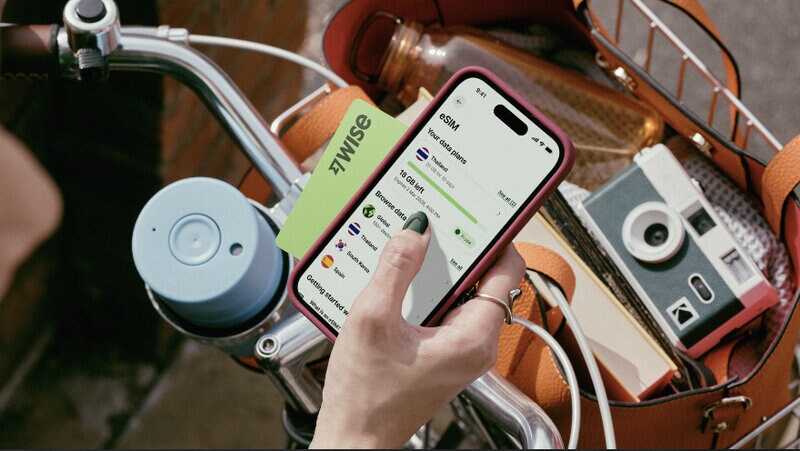
Wise Account Combines ESIM Plans with QR Payments
Arrival-focused super-app features are redefining traveler expectations around seamless setup, local access, and destination readiness.
Wise Boasts New Esim Data Plans & a Cross-Border QR Code Payment Feature
Multi-currency financial platforms are becoming hubs for travel utilities, with payment, connectivity, and identity features converging into a single global user experience.
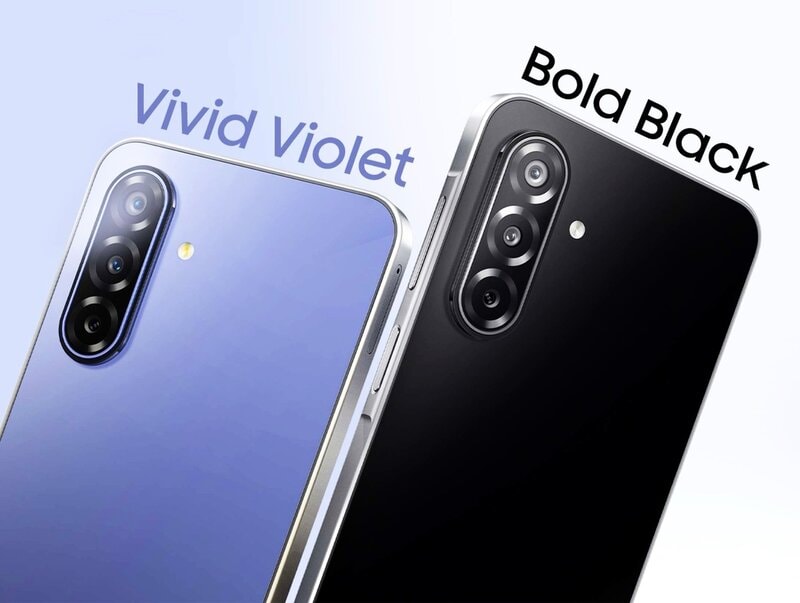
Honor Gives The Magic9 Pro Max Two eSIMs For More Flexible Connectivity
Hardware makers can reshape flagship competition by pairing premium specifications with more adaptable SIM architectures that make connectivity a core selling point.
Workshop question
How could your brand turn a traditionally physical setup step into an in-app service experience?
Trend themes
Mobile access is shifting into app-based onboarding, creating space for services that bundle data activation directly into travel, finance, retail, and device experiences.
Consumers are gravitating toward connectivity that can be customized by context, duration, or feature set, making rigid telecom packages vulnerable to more adaptive software-led alternatives.
Travelers increasingly expect payments, data, and local access tools to work immediately across markets, opening room for integrated platforms that replace fragmented arrival routines.
Industry implications
Carrier models are being reshaped by instant activation, eSIM flexibility, and transparent bundles that challenge legacy fees, physical cards, and tiered network access.
Money apps are expanding into practical travel infrastructure, positioning cross-border payments and connectivity as adjacent utilities within a single account experience.
Device makers can differentiate premium hardware through multi-eSIM support and carrier flexibility, turning connectivity management into a core product feature.
Trajectory
Latest reading 6.6 for the week of Oct 19, 2026. Holding over the final 3 scored weeks (±0.0), at its peak of 6.6. Momentum 3.2/10, persistence 2.5/10.