



Category
Tech
Structured Stacks
Brands are tailoring AI support to specific contexts with defined limits.


What's Happening
Scoped Support: Companies are introducing AI tools for defined settings such as money management, workplace coordination, and background decision support instead of positioning them as all-purpose chat products. Providers are emphasizing boundaries around what the system can do, what data it uses, and where human oversight remains necessary.
Why It's Happening
Trust is becoming more important than ever as AI enters areas tied to personal finances, work decisions, or persistent background access. People may be more willing to use these systems when roles and permissions are clearly defined. Many users still face a usability gap with open-ended AI, since effective prompting takes effort and confidence. Assistance that is embedded into context and offered at the right moment aims to lower that burden. The takeaway for brands is that precision may matter more than range: clearly stating the job, the limits, and the handoff to humans can make AI support feel more usable and credible.
Evidence
PennyMaster Builds Better Spending Habits With Personalised AI Guides
AI-guided coaching models are reshaping consumer finance by making money management more personalized, supportive, and behavior-focused.
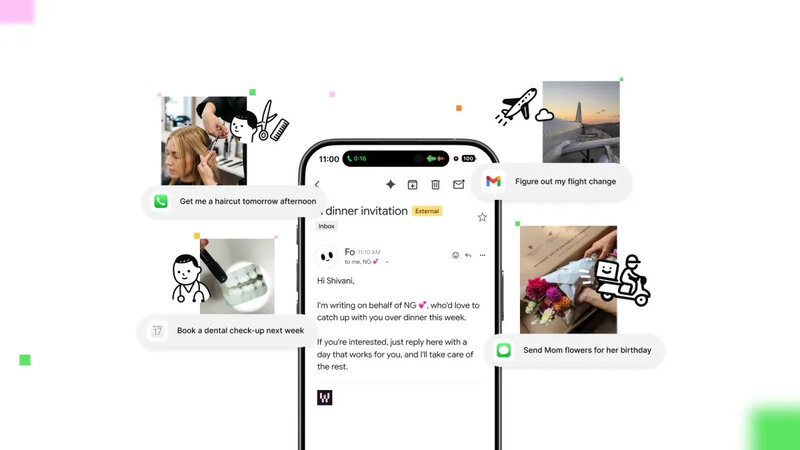
Wajo's Fo Handles Errands with Privacy in Mind
Trust and task completion are becoming key differentiators as assistant platforms shift from conversational support to delegated service execution.
Mistlabs' Ambi Anticipates Tasks Without User Prompts
Workplace platforms can be reshaped by embedded assistants that prepare materials, surface insights, and reduce coordination friction during meetings and projects.
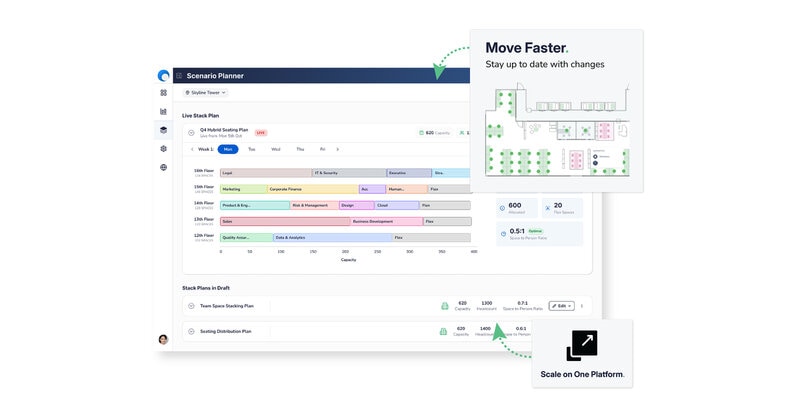
Freespace Introduces Space Manager for Hybrid Offices
Platforms that unify space planning, employee apps, and digital signage are reshaping how enterprises manage hybrid office experiences.
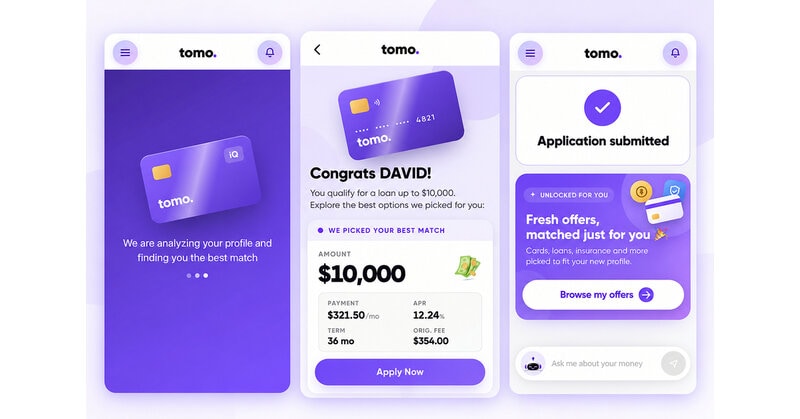
TomoIQ's Money Finder Offers Personalized Financial Guidance
Fintech providers can differentiate through AI-driven recommendation engines that combine money management, credit discovery, and personalized financial education.
Workshop question
How could your brand make automated guidance feel safer through visible limits, permissions, and human handoffs?
Trend themes
Defined use cases, permissions, and human handoffs create space for AI services that feel safer, more credible, and easier to adopt in sensitive daily decisions.
AI assistants embedded in finance, errands, and workplace routines reveal openings for services that complete narrow jobs with privacy, continuity, and measurable follow-through.
Persistent contextual awareness across devices and environments points to new systems that anticipate needs without relying on users to formulate prompts.
Industry implications
Personalized coaching, credit discovery, and spending nudges suggest room for financial platforms that combine guidance, product matching, and trust-building safeguards.
Workplace planning and decision support highlight demand for AI tools that translate operational data into coordinated actions within clearly governed business contexts.
Errand delegation and everyday assistant models indicate potential for privacy-conscious service layers that manage real-world tasks while limiting unnecessary data exposure.
Trajectory
Latest reading 6.0 for the week of Oct 19, 2026. Holding over the final 3 scored weeks (±0.0), −0.2 from its peak of 6.2 in the week of Oct 12, 2026. Momentum 2.0/10, persistence 5.0/10, backed by 3 research findings.
6 Trend Hunter articles were grouped into the wider weekly cluster this trend was identified in, over 3 weeks.
Research
Purchase Co-Pilot
Consumers are increasingly willing to outsource early-stage decision work when choice overload gets too high.
AI's value is not just answer generation; it is becoming a confidence layer that helps narrow options faster than search, peers, or brand sites alone.
Utility AI
Consumers are not looking for AI theater; they want cognitive relief.
The strongest trust is forming around narrow, useful tasks that shorten decision time and reduce research overload, showing that AI acceptance rises when it behaves like a tool rather than an intrusive personality.
Bounded Delegation
Consumers do not want to hand over the whole relationship to AI; they want relief from chores.
The winning model is selective delegation, where AI handles narrow, reversible, low-risk tasks and humans remain in control of judgment, money, and emotional reassurance. That is the blueprint for human-AI synergy across retail and services.