
Category
Tech
Structured Stacks
Wearables embed adaptive computing into sensory support and recovery.



What's Happening
Ambient Assistance: Consumer devices are taking on assistive and restorative roles by folding adaptive software into headphones, eyewear, and other body-adjacent formats. Brands are favoring familiar, discreet form factors over overtly medical hardware to make hearing support, cognitive tracking, and recovery tools easier to adopt in everyday settings.
Why It's Happening
People increasingly want support that fits into daily life without adding another obvious device or clinical ritual. Familiar accessories matter because they lower the social and practical friction of using assistive technology. Consumers are spending more of the day in environments that can tax attention, hearing, and visual comfort, which makes products promising passive help or recovery feel more relevant in ordinary routines. The takeaway for brands is that usefulness may come from quiet integration rather than dramatic interfaces.
Evidence
Neurable Embeds 12 EEG Sensors into Everyday Headphones
Premium audio and wearable makers can differentiate familiar products through integrated biosensing that adds measurable cognitive value beyond sound quality.
Starkey Adds Sleep Tracking to Its Omega AI+ Hearing Aids
AI-driven sound personalization introduces new expectations for clinical-grade devices that adapt dynamically to different listening environments.
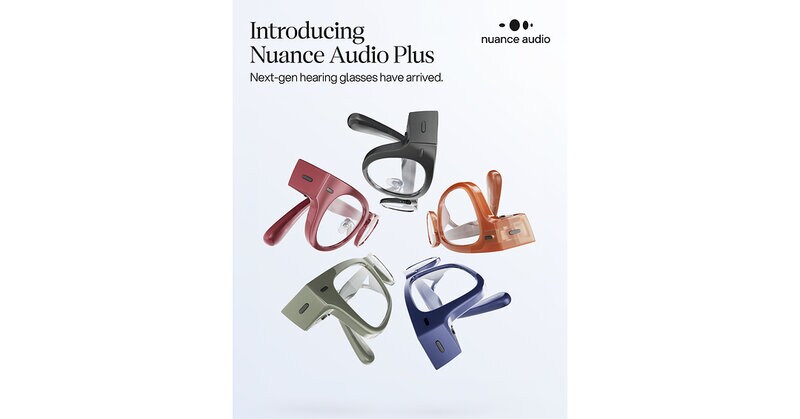
Nuance Audio Plus Combines Directional Hearing Support with Eyewear
Premium optical retailers can benefit from connected frames that expand glasses beyond vision correction into assistive and communication-driven products.
GUNNAR’s Ojai Vision Recovery System Creates a 10-Minute Reset
Wearable formats that blend relaxation features with rechargeable portability suggest growth potential for electronics brands moving into lifestyle-focused health devices.
Workshop question
How could your brand build helpful intelligence into products people already wear or carry every day?
Trend themes
Familiar formats like eyewear and headphones are making sensory support less stigmatized, opening space for premium devices that blend medical-grade utility with lifestyle design.
Continuous sensing through everyday accessories is turning hearing, focus, sleep, and recovery into ambient data streams that can support personalized health ecosystems.
Heat, compression, blackout, audio, and adaptive software are converging in portable formats, suggesting new product categories around short restorative rituals for screen-intensive routines.
Industry implications
Wearables with embedded AI, sensors, and audio processing are expanding consumer hardware beyond communication and entertainment into always-on personal assistance.
Assistive devices that resemble mainstream accessories are blurring clinical and consumer markets, creating opportunities for regulated wellness products with lower adoption friction.
Retail networks for glasses and hearing support are becoming channels for hybrid sensory products that combine vision, audio, and wellness services in a single purchase.
Trajectory
Latest reading 7.6 for the week of Oct 12, 2026. Holding over the final 3 scored weeks (±0.0), ±0.0 from its peak of 7.6 in the week of Sep 28, 2026. Momentum 5.2/10, persistence 5.0/10.
14 Trend Hunter articles were grouped into the wider weekly cluster this trend was identified in, over 3 weeks.
 Wearable AI Memory DevicesBee Unveils Its First Amazon-Era Wearables with a $74.99 Frontier
 AI Mosquito Surveillance SystemsMosqitter Identifies Trapped Species with Febris Monitoring
 AI-Connected Device EcosystemsMotorola Expands moto ai Across Connected Experiences
 AI-Optimized Conference BarsShure Improves Meeting Inputs for Enterprise AI
 Accessible Premium AI LaptopsHP Brings OLED and AI Features to a $699.99 Laptop
 Interactive AI AudiobooksAudible Adds Real-Time Character Conversations to Audiobook Storytelling
 On-Device AI SmartphonesHuawei Mate 90 Runs Context-Aware AI Across Calls, Photos and Apps
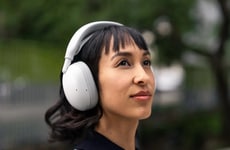 Boomless Office HeadsetsLogitech's Zone Vibe Pro Blends Work Calls with Music
 Protected AI FeaturesMeta Locks Down Muse and Smart Glasses with Confidential AI
 AI Home Care ReceptionistsAxisCare's Axi Assist Manages Caregiver Communications