



Category
Lifestyle
Assisted Choices
Brands use "Dry January" to market their products.
Trend
Non-Alcoholic Campaigning: In North America, avoiding alcohol in January is relatively common as consumers look to take a break from the indulgent foods and beverages they consume over the holidays. Brands are now jumping in on this trend, offering products and service that play off of "Dry January" in order to market themselves.
Insight
In an age where consumers are accustomed to personalization from the ad content they're shown to brick-and-mortar retail, they now expect that brands also take into account their lifestyles in the process of creating products or experiences for them. Consumers are no longer interested in the "one-size-fits-all" approach to marketing, and brands are responding in-kind by taking their individual priorities into account.
Trend themes
As more consumers practice moderation in alcohol consumption, brands are increasingly leveraging the Dry January trend to market non-alcoholic products and services.
Consumers now demand personalized products and experiences that fit their lifestyle and priorities, creating opportunities for brands to incorporate them into marketing strategies.
With the rise of Dry January and the legalization of cannabis in some countries, brands are educating consumers about the benefits of replacing alcohol with cannabis for a healthier and more enjoyable experience.
Industry implications
The food and beverage industry is capitalizing on the Dry January trend by creating more non-alcoholic products and services that appeal to consumers who want to reduce their alcohol consumption.
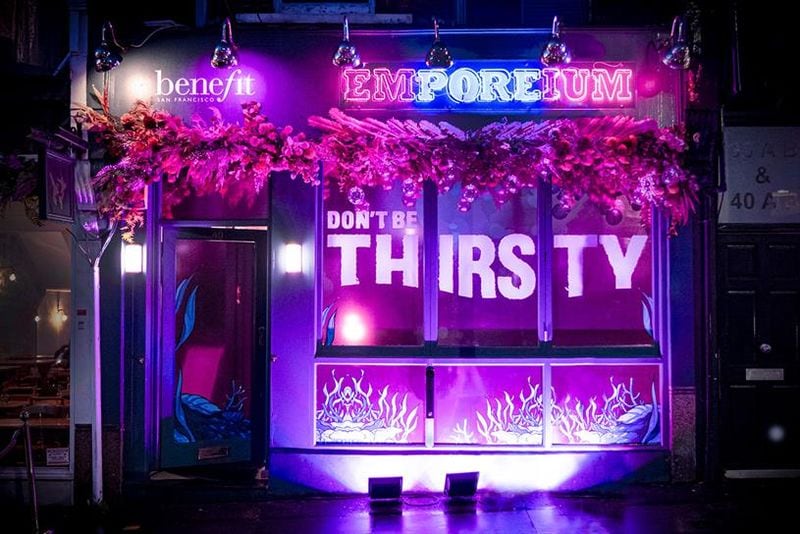
The beauty and personal care industry is incorporating lifestyle trends like Dry January into their marketing strategies by creating pop-up events that offer consumers personalized experiences with product-inspired beverages.
The cannabis industry is positioning itself as a healthier substitute for alcohol during Dry January, offering consumers an alternative to help them relax and unwind.
Workshop question
Trend signals
Trend score 4.7 out of 10, from popularity 75%, activity 58%, freshness 9%.
Evidence
Benefit's 'Emporeium' Serves Mocktails Inspired by Hydrating Primers
Beauty brands can use pop-up bars as a way to promote products and educate customers about their brand, while also providing a fun and unique experience.
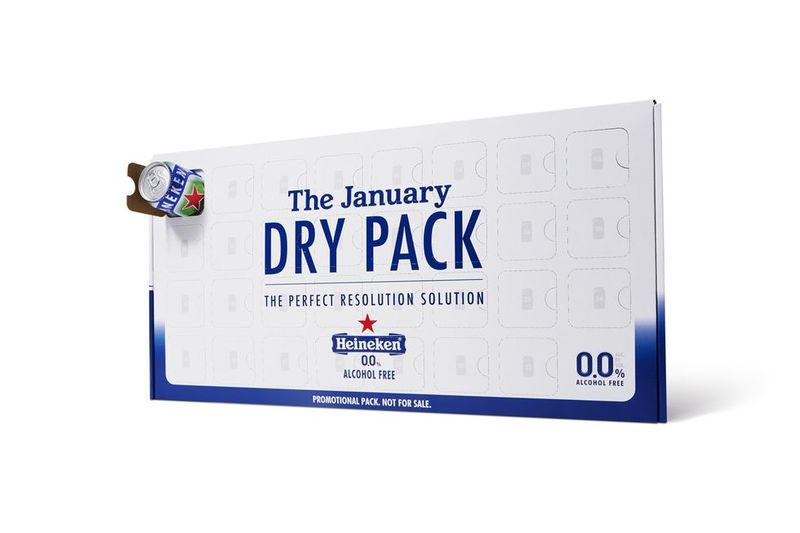
The January Dry Pack by Heineken is Filled with Non-alcoholic Beer
The beverage industry can innovate by creating and promoting more non-alcoholic beer options, catering to the growing demand for healthier choices.
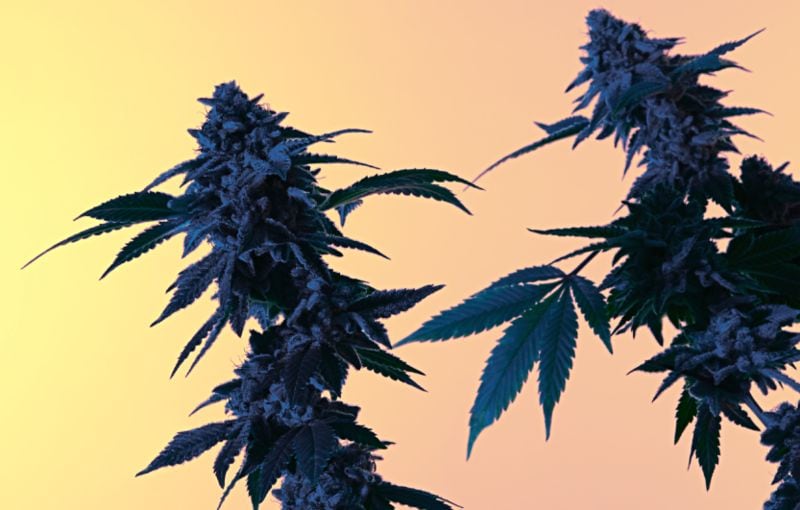
Foray's Campaign Helps Canadians See Cannabis Differently in 2020
Disruptive innovation opportunities in cannabis marketing and product development to cater to Dry January participants.
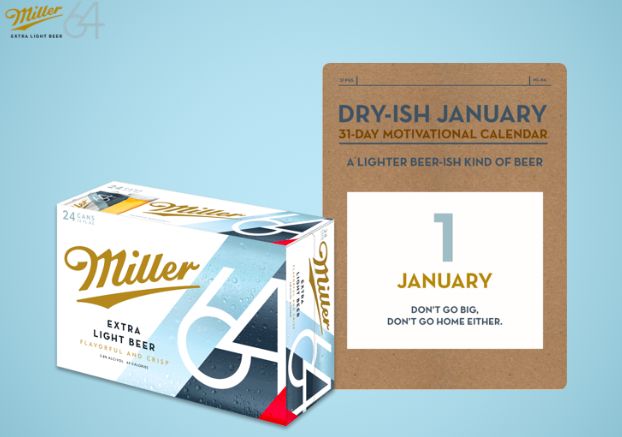
Mill64 is the Perfect Beer for 'Dry-ish January' at 2.8% ABV
The alcoholic beverage industry can tap into the trend of low-calorie and moderate drinking movements to create innovative products and marketing campaigns that appeal to health-c…






