



Category
Lifestyle
Assisted Choices
Fungi is adapted into sculptural and architectural designs.
Trend
Architectural Mushroom: The incorporation of fungi-based materials into various architectural and sculptural designs has implications for a variety of industries, particularly those specializing in art and design, architecture, and eco-friendly production and consumption.
Insight
The growing pressure of climate change, alongside the heightened consumer desire for a zero-waste lifestyle, is forcing many industries to rethink their use of materials and methods of production. This intensifies as individuals become aware of the potential of technology and design in terms of addressing and lessening the consequences of climate change. The shift comes as more and more individuals are refusing to support entities that are not doing their part when it comes to the environment.
Trend themes
The incorporation of fungi-based materials into various designs is a new trend, having implications for industries dealing with art and design, architecture, and eco-friendly production and consumption.
Biodegradable building techniques using mushroom mycelium present a disruptive innovation opportunity for architects and builders when considering sustainable and affordable permanent or temporary accommodations.
The discovery of plastic-eating fungi promotes eco-value in mushrooms by addressing the plastic-waste crisis that has been terrorizing global industries.
Industry implications
Art and Design industries can be informed by new materials and techniques incorporating fungi-based materials, leading to new opportunities for sustainable design and production practices.
Architects and builders dealing with biodegradable building techniques have opportunities to promote sustainable and affordable housing through innovative design practices.
Environmental scientists can work on new research opportunities to explore the outcomes of developing biodegradable building techniques and using fungi to break down plastic waste materials.
Workshop question
Trend signals
Trend score 5.1 out of 10, from popularity 70%, activity 75%, freshness 8%.
Evidence
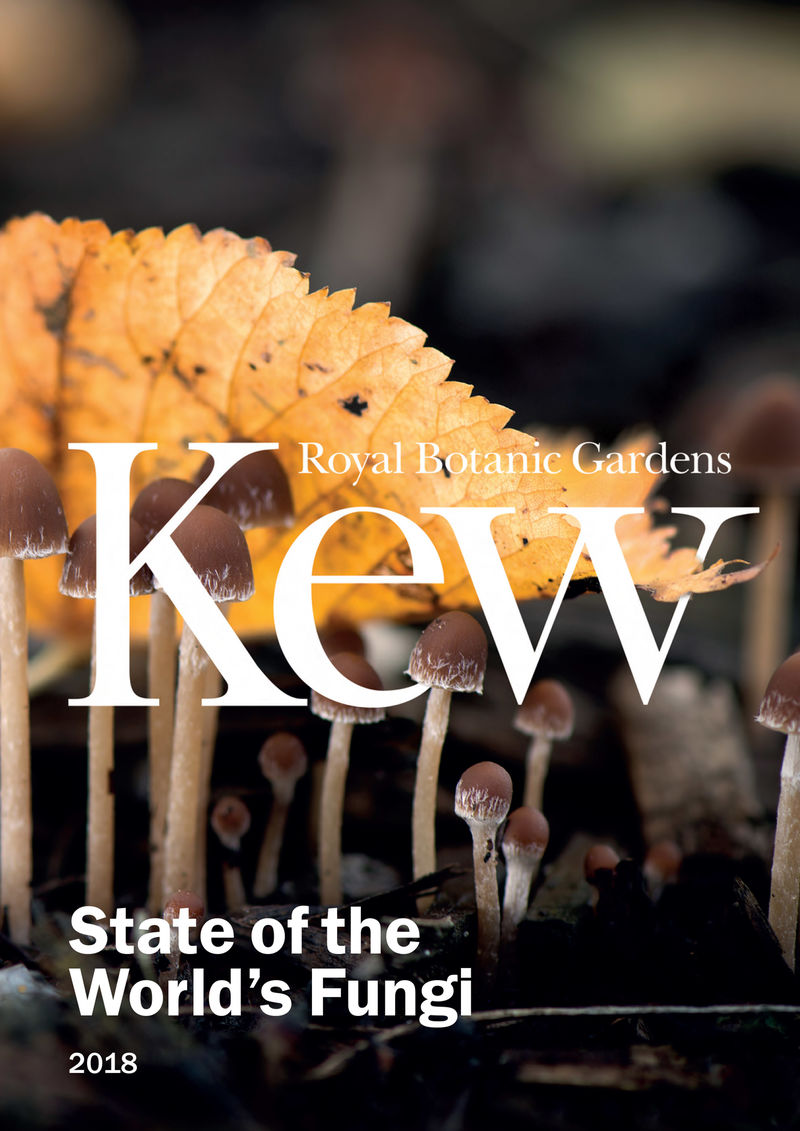
Kew Gardens Scientists Advocate for the Eco Value in Mushrooms
Potential for developing biodegradable packaging materials and sustainable packaging solutions.
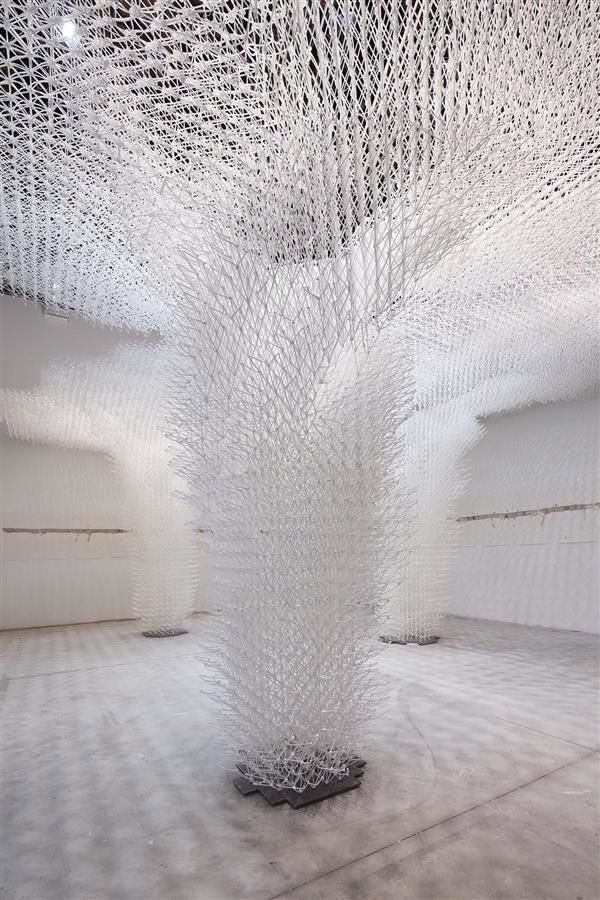
The Cloud Pergola is a Large-Scale 3D-Printed Structure
The use of large-scale 3D printing and innovative installations presents an opportunity for architects to push the boundaries of design and aesthetics.
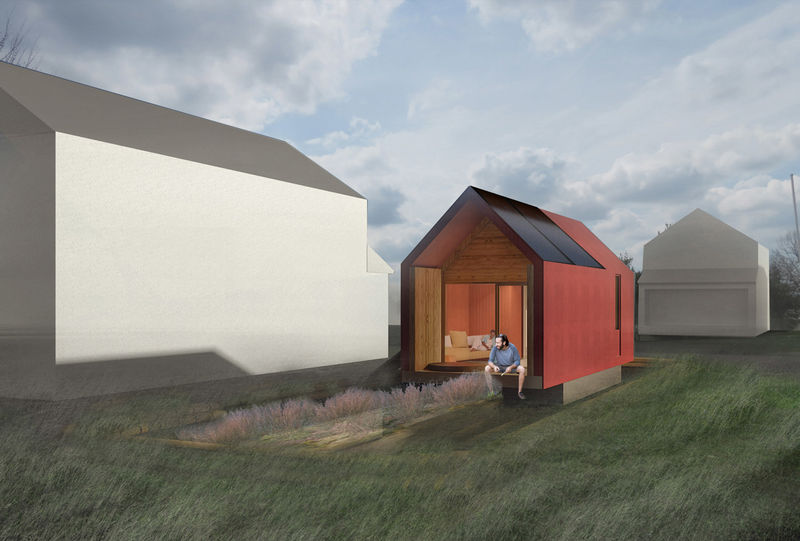
Redhouse Architecture is Addressing the Housing Crisis
The architecture industry can explore the potential of using mushroom mycelium as a construction material for environmentally-friendly and cost-effective building projects.
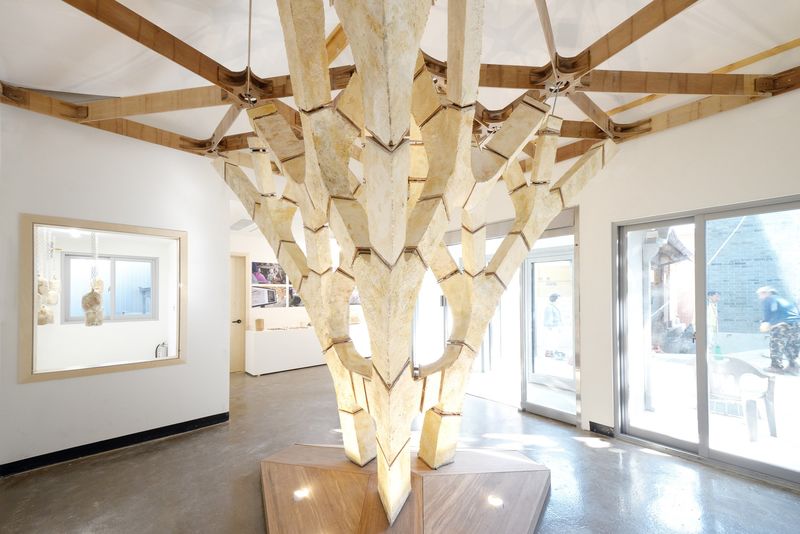
The MycoTree Structure is Made Entirely from Mushroom Roots
The construction industry can explore the potential of utilizing mycelium as a sustainable and cost-effective building material.






