



Category
Lifestyle
Assisted Choices
The construction of new buildings becomes more sustainable with 3D-printing.
Trend
Printed Sustainability: While the use of 3D-printing in architecture and construction isn’t new, it's emerging as a leading source of sustainable building materials. These resulting buildings not only have a distinct aesthetic, but also cater to needs around more sustainable construction as well.
Insight
As consumers continue to become more conscientious about the impact of their individual carbon footprint, they are turning to and more open-minded when it comes to novel technology to help solve the challenges of transitioning to more sustainable living.
Trend themes
The use of 3D-printing in building and construction continues to be a leading source of sustainable building materials.
The utilization of hemp biomass to create eco-friendly homes offers impressive thermal and acoustic performance for a comfortable living space.
The use of non-orthogonal design elements, such as curving panels and flower-like structures, not only adds a unique touch but also promotes natural circulation throughout a home.
Industry implications
The growth of building materials made from reused, recycled, and renewable resources provides a unique opportunity for businesses to invest in sustainable development.
The use of hemp biomass as a sustainable material for home construction presents new possibilities in the field of hemp technology and agriculture.
The use of non-traditional design elements, such as curving panels and flower-like structures, presents an opportunity for architects and designers to incorporate unique and innovative designs into their work.
Workshop question
Trend signals
Trend score 5.3 out of 10, from popularity 72%, activity 78%, freshness 8%.
Evidence
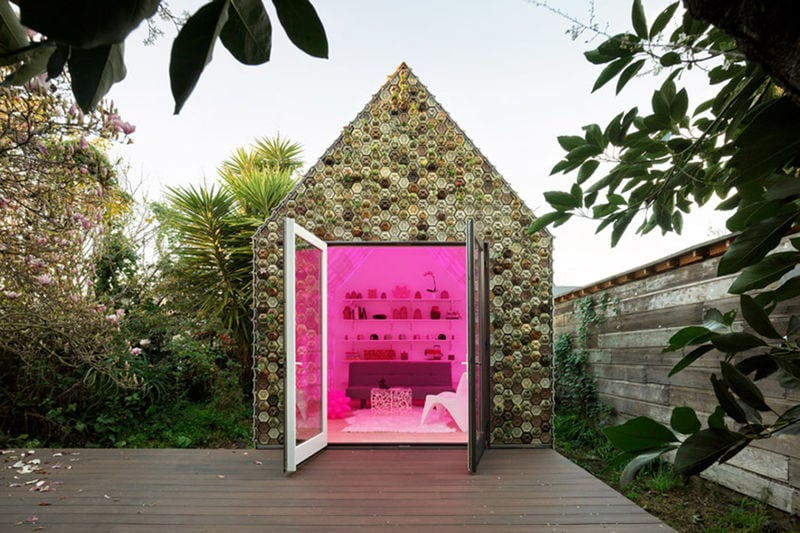
This Cabin Was Made Using 4,500 Living Plant Tiles
Disruptive innovation opportunity: Integrating 3D printing technology into the construction industry to create sustainable and customizable living spaces.
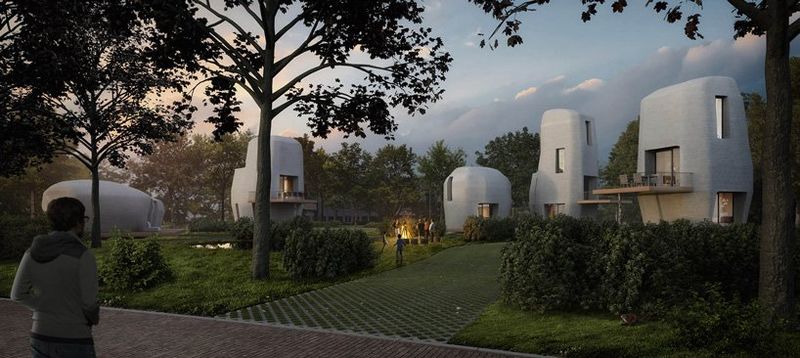
The First 3D-Printed Concrete Houses Will Appear in the Netherlands
The construction industry can leverage 3D printing technology to streamline processes, reduce costs, and enhance sustainability.
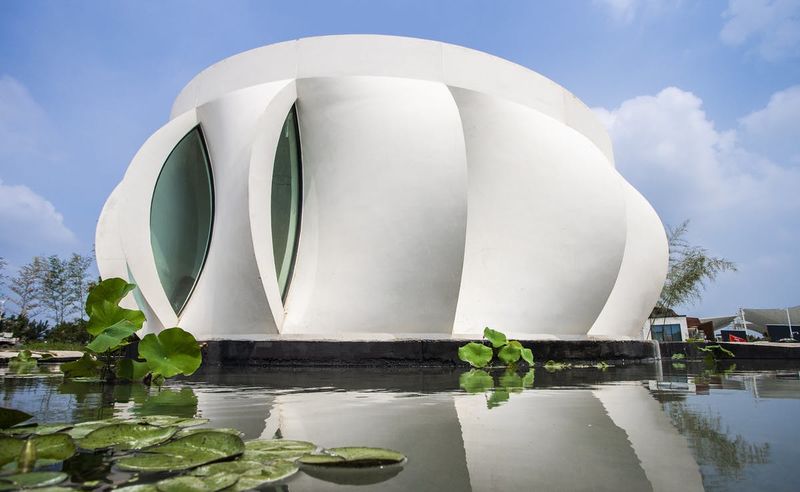
WashU's 'Lotus House' Boasts a Sustainable, 3D-Printed Design
The Lotus House demonstrates a disruptive opportunity for the sustainable construction industry to explore 3D printing technology in order to produce eco-friendly housing.
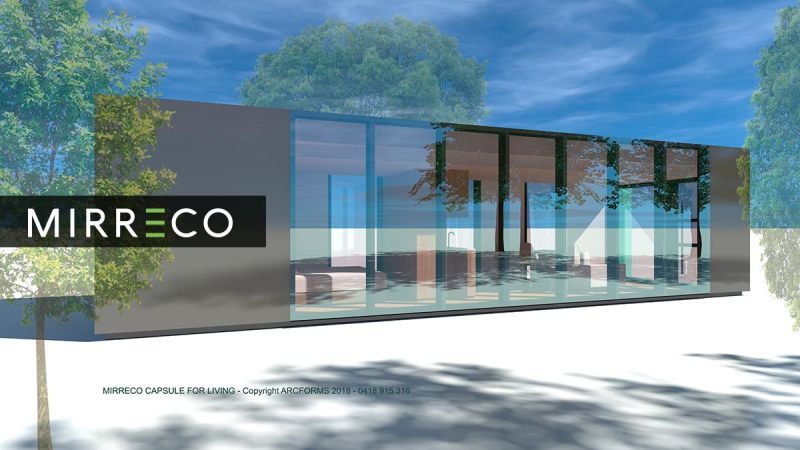
This Collaborative Housing Project from Mirreco and Arcforms is Sustainable
The construction industry can utilize sustainable and biomass-based materials to create more eco-friendly buildings while lowering costs.






