Category
Lifestyle
Assisted Choices
Trend
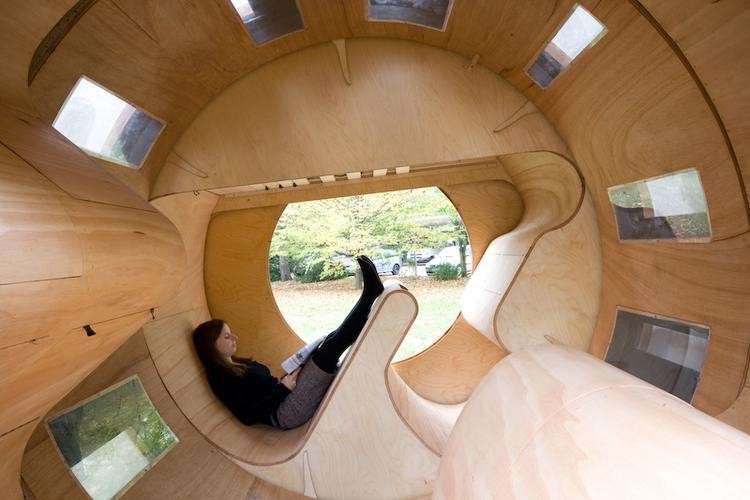
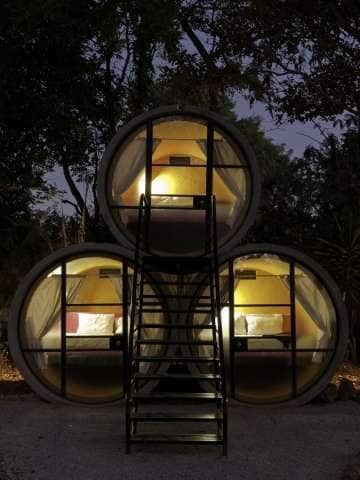
Tube-itecture: Architects have traditionally used polygonal shapes in building design, creating structures with straight lines and little to no curved surfaces. However, more architects are experimenting with curvilinear shapes -- in particular, cylinders. The tubed shape of a cylinder offers an interesting contrast to the typical cube or rectangular prism, and it may also mean that less material is required (and therefore, less waste) to manipulate into a structure.
Trend themes
Architects are experimenting with curvilinear shapes, such as cylinders to offer a contrast to the typical polygonal buildings.
Designers are using prefabricated modules to create structures like mountaintop shelters and candy-colored schools that are eco-friendly, cost-effective and innovative.
Pop-up homes and cylindrical abodes are being designed to cater to people who want a comfortable living experience while on-the-go in the great outdoors.
Industry implications
Architects can explore the concept of curvilinear shapes and modular design to create cost-effective and innovative buildings that are eco-friendly and aesthetically pleasing.
Hotels and resorts can use modular design concepts and recycled materials to create eco-friendly and unique sleeping quarters that offer a comfortable and minimalist experience for guests.
The concept of compact living and pop-up homes can be adapted to provide temporary shelters in disaster areas that are cost-effective, innovative and efficiently designed to cater to the needs of those affected.
Trend signals
Trend score 4.6 out of 10, from popularity 61%, activity 69%, freshness 8%.
Evidence
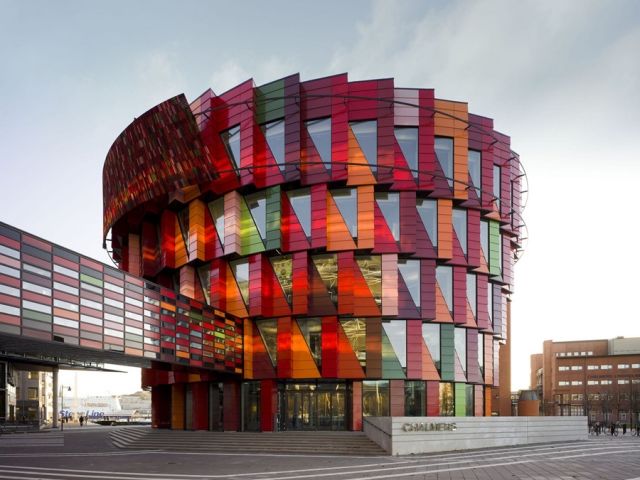
The Chalmers Campus Lindholmen Makes Learning Fun
Architects can utilize dynamic geometries and candy-colored facades to create visually stunning and unique structures.
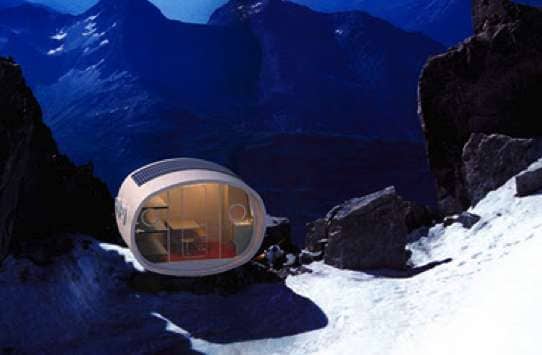
Living Ecological Alpine Pod Provides Comfort without Eco Expense
Architects and builders can focus on designing and constructing sustainable buildings that prioritize energy efficiency and employ eco-friendly materials.
The 'Roll It' Experimental House Offers a Fresh Take on Modern Homes
The construction industry can capitalize on mobile and efficient designs to create homes and buildings that are easy to construct and customize.
The TuboHotel by T3Arc Features a Clever and Inventive Design
Disruptive innovation opportunity to create unique and sustainable accommodations with tube-like structures and minimalistic setups.
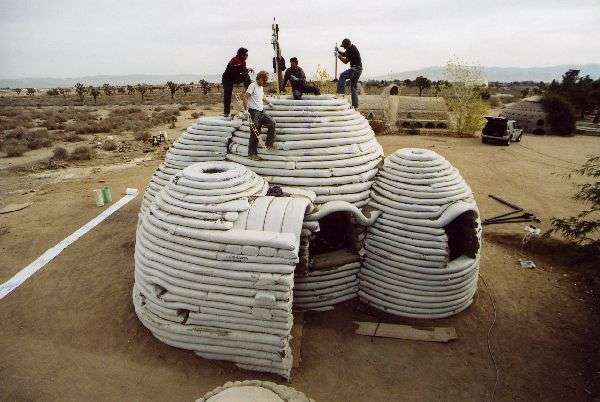
Nader Khalili's Temporary Earth Shelters are Cheap and Durable
The construction industry can benefit from incorporating sandbag housing techniques to offer affordable housing solutions to a wider population.
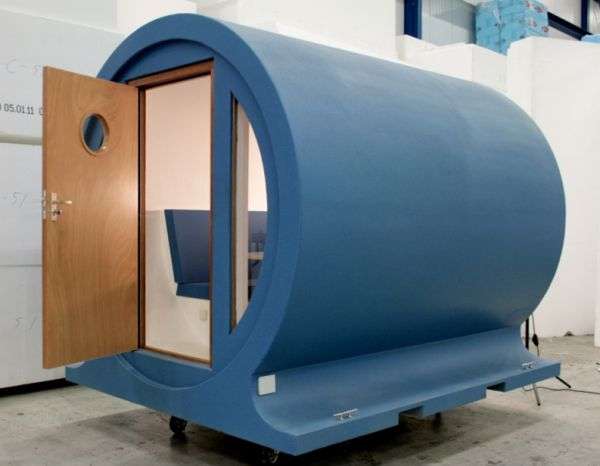
‘The Tube' Provides Compact Living Quarters in the Great Outd
The outdoor equipment industry can benefit from the demand for portable and lightweight shelter designs like 'The Tube'.
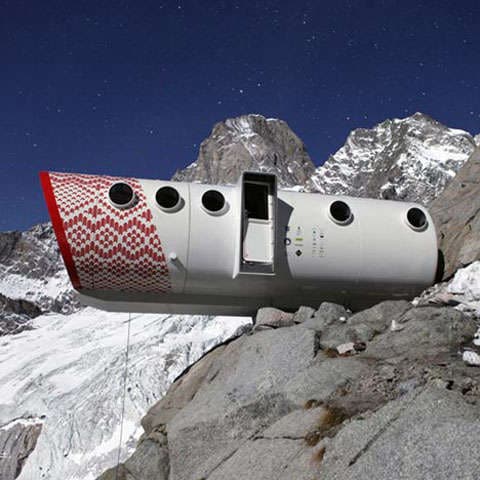
The New Refuge Gervasutti is Designed for Helicopter Operators
The architecture and design industry can capitalize on the trend of building extreme environment habitats with innovative and efficient designs that incorporate sustainable techno…