

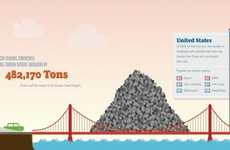

Car-sharing services provide affordable and greener transportation
Implications - According to a study of licensed drivers by KRC Research, 45 percent of Millennials (ages 18 to 34) are driving less and actually making a conscious effort to do so. While the biggest factor is cost, concerns about the environment also play a role in this decision. As such, car-sharing services stand to alleviate both concerns, providing consumers with a more budget-wise, convenient and eco-friendly transportation option.
Trend Themes
-
Eco-friendly Transportation — As consumers become increasingly cost and environment conscious, providing more budget-wise, eco-friendly transportation options is an opportunity for disruptive innovation.
-
Peer-to-peer Car Sharing — The rise of peer-to-peer car sharing services presents an opportunity for disruptive innovation by combining the sharing economy with transportation services.
-
Electric Vehicle (EV) Sharing — As EVs become more common, offering incentives for EV sharing can encourage people to try these vehicles without purchasing one, potentially leading to more purchases in the future.
Industry Implications
-
Transportation — Innovative car sharing and eco-friendly transportation options can disrupt the traditional transportation industry.
-
Insurance — As car ownership shifts towards shared ownership, insurance providers may need to adjust their policies to accommodate these changes.
-
Technology — Developing new technologies such as virtual test driving and artificial intelligence systems for shared vehicles can have disruptive innovation potential in the transportation industry.