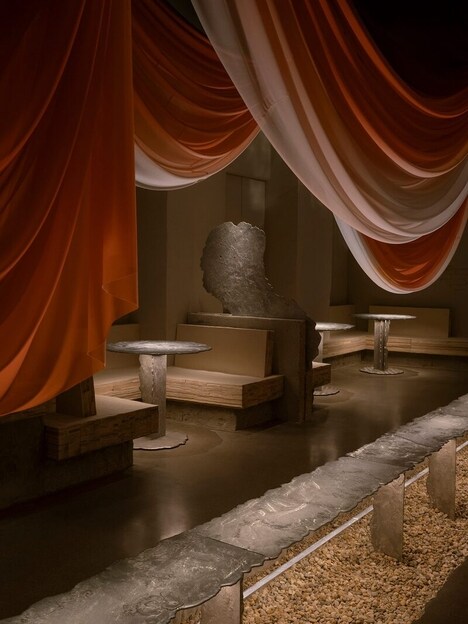
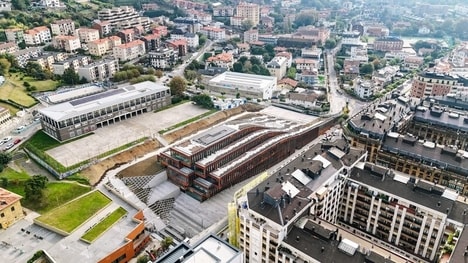
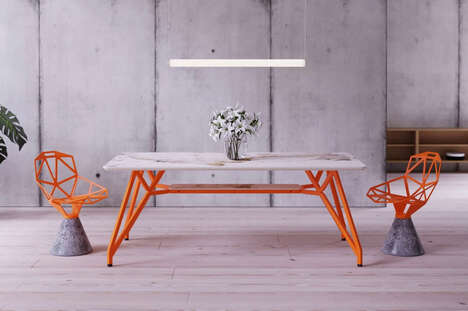
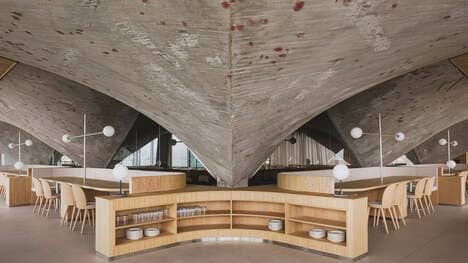
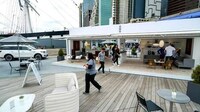
Designed by Jean Nouvel of 1024 Architecture, Les Grandes Tables is a restaurant made from salvaged shipping containers. Only one part of a bigger entertainment center -- which will include hotels, cinemas, art studios, museums and more -- Les Grandes Tables is located on Seguin Island in Western Paris.
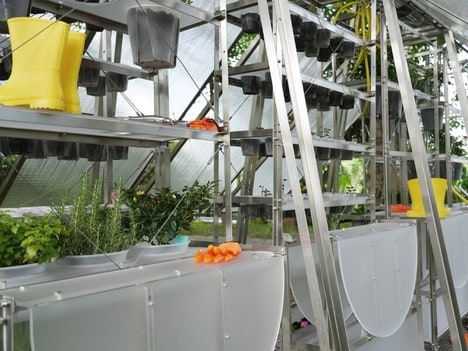
Les Grandes Tables boasts a list of eco-friendly design elements. The industrial containers have been strategically placed so as to maximize light and air, and it features a frame made of timber that is also encased in glass. With a first-floor restaurant and a bottom ground level reserved for parties and events, the building is also flanked by a greenhouse and a garden, which will provide the restaurant with fresh vegetables.
What Makes This Trend Stand Out
- Eco-friendly Architecture
- The trend of using salvaged shipping containers and sustainable design elements in architecture presents disruptive innovation opportunities for the construction industry.
- Urban Entertainment Centers
- The rise of entertainment centers that incorporate multiple attractions, such as hotels, cinemas, art studios, and museums, provides disruptive innovation opportunities in the entertainment and hospitality industries.
- Vertical Farming
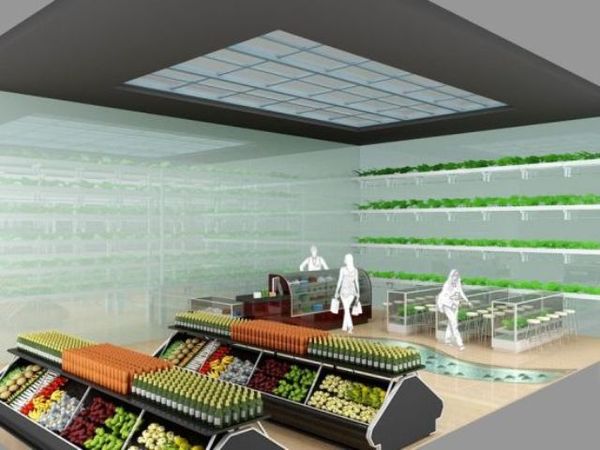
- The integration of greenhouses and gardens in urban buildings, like Les Grandes Tables, highlights the potential for disruptive innovation in the agriculture industry through vertical farming solutions.
Sectors Adopting This
- Construction
- The use of salvaged shipping containers and sustainable design elements in architecture opens up disruptive innovation opportunities for the construction industry.
- Hospitality
- The integration of hotels, restaurants, and entertainment facilities in urban centers creates disruptive innovation opportunities for the hospitality industry.
- Agriculture
- The incorporation of greenhouses and gardens in urban buildings presents disruptive innovation opportunities for the agriculture industry through urban farming and vertical farming techniques.