Eco Architecture Consumer Insights

Accelerated Renewable
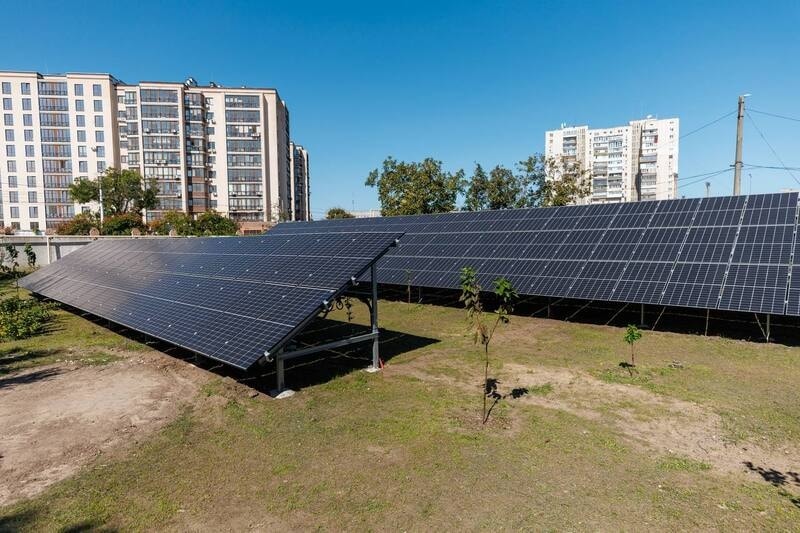
Clean energy brands sign Government partnerships to accelerate adoption
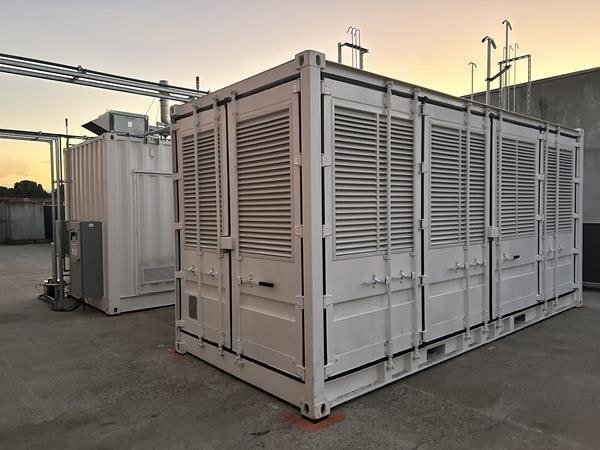
Trend - Energy brands form public‑private partnerships with municipalities, regional authorities and national agencies to install solar, wind, storage and distributed energy resources; collaborations bundle co‑funding, streamlined permitting, community engagement and workforce training to scale projects.

Insight - Governments face growing pressure and economic incentives to adopt renewable energy, driven by emissions targets, grid resilience needs and opportunities for local job creation and investment. In this context, industry partnerships become a practical route to accelerate deployment: governments can leverage private capital and technical delivery while retaining public oversight and community benefits. This simultaneously provides increased incentive to energy companies to pursue partnerships.
Workshop Question - How can your brand leverage partnerships with public entities to accelerate the adoption of sustainable practices or technologies while ensuring community engagement and benefits?
5.1
Score
Popularity
Activity
Freshness
Patterns
Megatrends
Organic Home
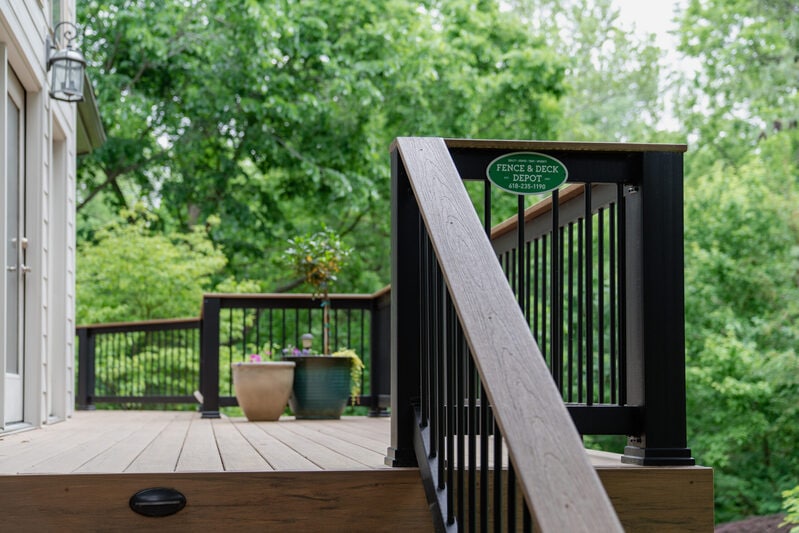
Construction companies turn to organic-based materials for regenerative properties
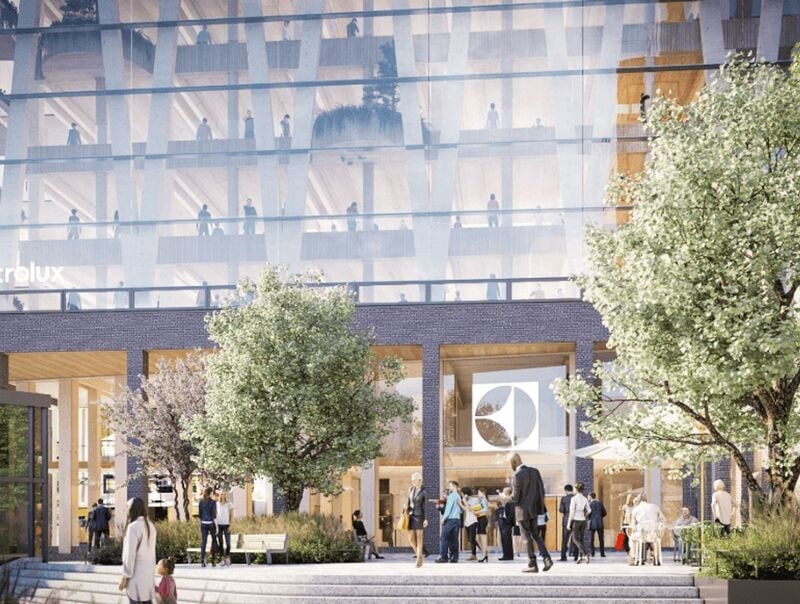
Trend - Construction brands increasingly turn to hempcrete, mycelium panels, straw‑bale systems, engineered timber composites and bio‑based insulation across projects; offerings stress environmental efficiency, regenerative properties, durability, and wide compatibility with existing materials.

Insight - Homebuyers and occupiers increasingly prize healthier indoor environments, provenance, and evidence of lower embodied carbon. Developers face policy shifts toward low?carbon procurement and growing demand signals from tenants and capital allocators for regenerative credentials. These market pressures encourage pilots with organic materials, but wider adoption hinges on verifiable performance, code acceptance and scalable feedstock supply rather than aesthetics alone.
Workshop Question - How can your brand leverage organic-based materials to enhance sustainability and meet the evolving demand for eco-friendly construction solutions?
6.1
Score
Popularity
Activity
Freshness
Patterns
Megatrends
Recycled Home
Homes are increasingly created with recycled and repurposed materials
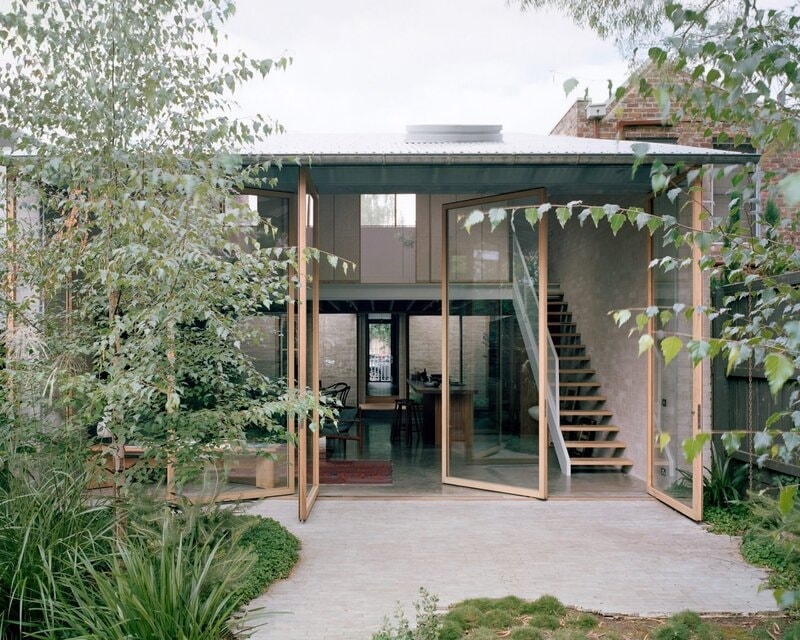
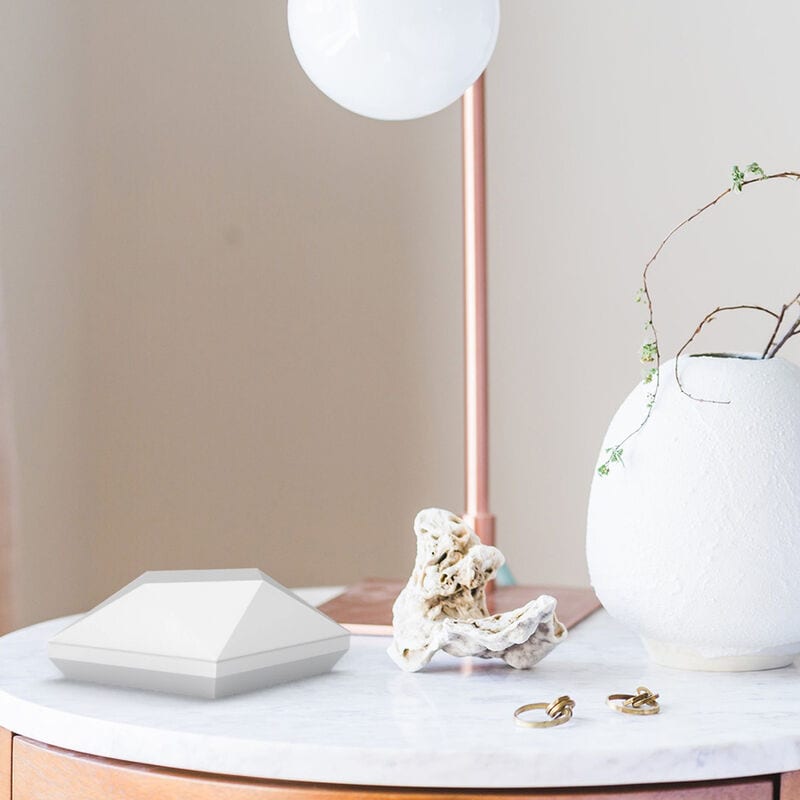
Trend - Developers, builders and designers use reclaimed bricks, salvaged structural timber and recycled concrete as primary framing and exterior materials; projects range from single-family retrofits to multiunit developments,. Materials are obtained from repurposed aggregate and certified supply chains.

Insight - Buyers and communities increasingly seek visible sustainability that signals material circularity beyond cosmetic gestures. Rising construction waste, embodied carbon scrutiny and tighter sourcing constraints make repurposed structural materials attractive to those who value permanence, story and authenticity in the built environment. Homeowners appreciate the aesthetic patina and perceived durability, while developers see potential costs and regulatory upsides.
Workshop Question - How can our brand integrate sustainable and repurposed materials into our offerings to align with the growing demand for visible sustainability and material authenticity?
3.7
Score
Popularity
Activity
Freshness
Patterns
Megatrends
AI Window
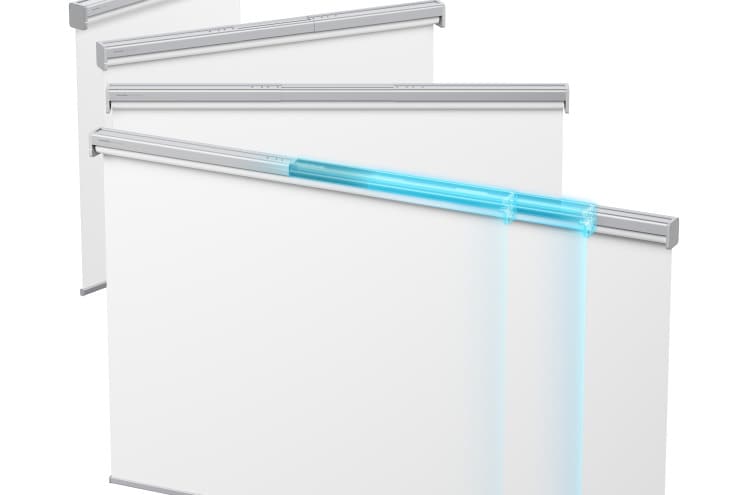
Smarthome brands are launching AI-powered windows for energy efficiency
Trend - Smart home brands release AI-powered motorized shades self-adjust based on light, temperature, and occupancy. Leveraging adaptive algorithms and energy harvesting, they optimize natural illumination and thermal loads to reduce HVAC energy consumption and material waste.

Insight - Buyers demand effortless sustainability in the smart home space. They seek homes that autonomously trim bills and carbon footprints through the advent of smart appliances and lights. Stricter efficiency regulations, rising utility costs, and consumer eco-expectations create pressure to embed AI in everyday devices. By offering predictive shading, dynamic solar harvesting, and data-driven control, brands align with green narratives, elevate convenience, and gain an edge in a crowded market.
Workshop Question - How can your brand leverage AI technology to seamlessly integrate sustainability and energy efficiency into everyday consumer experiences?
6.3
Score
Popularity
Activity
Freshness
Patterns
Megatrends
Climate Coating
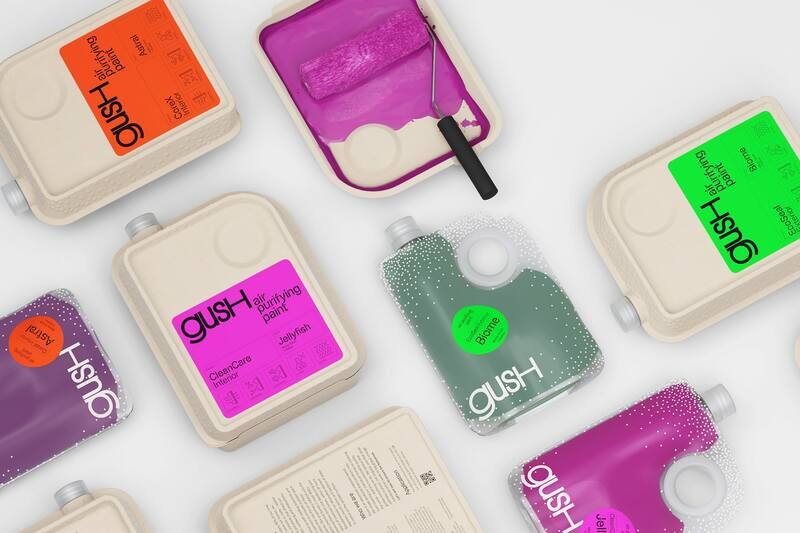
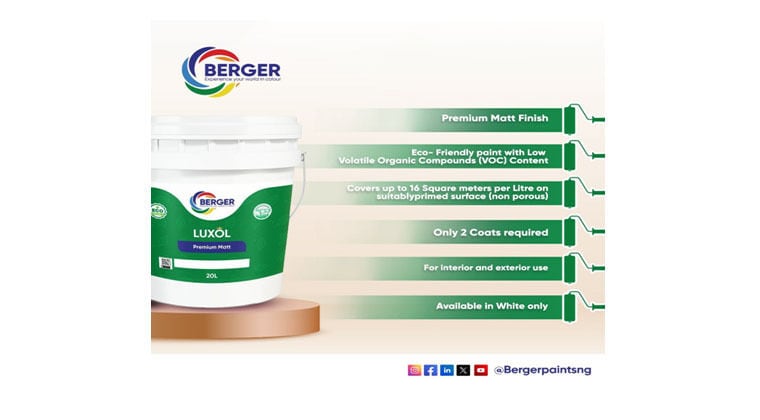
Paints are increasingly designed to reduce emissions and pollutants
Trend - Paint manufacturers are increasingly designing coatings that lower the release of harmful substances into the environment and improve environmental conditions. These products claim to have enhanced resistance to UV rays, moisture, and corrosion, helping maintain performance in unique environments.

Insight - Health and eco-conscious consumers are often in search of ways to reduce indoor pollution and protect their families amid rising urbanization and climate concerns. In response, companies are offering low-VOC, pollutant-absorbing, and energy-efficient solutions that make homes healthier and highlight new ways to reduce emissions. Brands that cater to this demand can benefit from easy regulation compliance and long-term revenue as consumers gravitate more towards climate-conscious solutions.
Workshop Question - How can your brand innovate in response to the growing consumer demand for eco-friendly and health-focused solutions?
4.7
Score
Popularity
Activity
Freshness
Patterns
Megatrends
Renewable Installation
Organizations are launching renewable energy installation initiatives
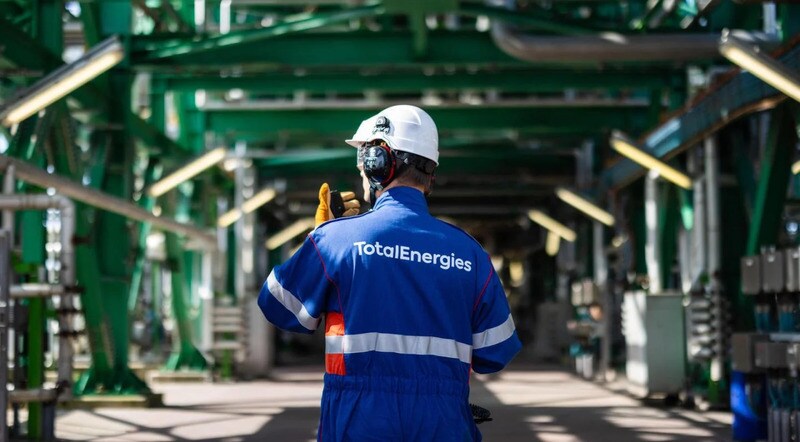
Trend - Organizations are launching clean energy installations and electrification programs, working with NGOs and government agencies. Initiatives encompass utility-scale solar farms, community microgrids, rural village electrification and EV-charging networks to expand renewable access and meet targets.

Insight - Organizations face mounting pressure to decarbonize, secure social license and deliver reliable power in underserved regions. Local communities demand affordable, resilient energy and job creation, while investors and regulators insist on measurable sustainability outcomes. By blending public funding, NGO expertise and corporate innovation, these partnerships unlock finance, share risk and align climate mitigation with socioeconomic development.
Workshop Question - How could your brand implement impactful clean energy initiatives, whether in its own operations or with its partners?
4.4
Score
Popularity
Activity
Freshness
Patterns
Megatrends
Environmental AI
Brands are investing in research to reduce the environmental impact of AI use
Trend - Brands are channeling R&D efforts into creating AI data centers that deliver high-performance computing with a significantly reduced power footprint. These initiatives focus on the adoption of energy-efficient hardware, innovative cooling systems, and the integration of renewable energy sources.

Insight - The growing global demand for AI-powered services has led to an exponential rise in energy consumption within data centers—a trend that is increasingly unsustainable. This has led to external pressures from consumers and regulatory bodies pressuring brands to reconcile the surge in computational needs with a reduced environmental impact. The push for sustainable AI data centers emerges from the dual imperatives of curbing escalating operational costs and mitigating carbon footprints.
Workshop Question - How could your brand improve the efficiency of its operations in an effort to reduce environmental impact without sacrificing functionality or output?
5.4
Score
Popularity
Activity
Freshness
Patterns
Megatrends
Printed Panel
Researchers are developing 3D printed materials for architectural construction
Trend - Researchers from universities and construction-focused startups are developing new methods or materials for 3D printing in the architectural space. This is leading to brick, wood, and glass solutions for customizable, scalable home home construction with a reduced environmental impact.

Insight - While home construction companies have become quick and efficient at building homes at-scale, particularly when the homes share similar designs, these companies often receive backlash due to the environmental impact of the large gas-powered construction vehicles, the excess materials, and the damage caused to the surrounding area. This has caused companies to invest in solutions for more eco-friendly options that do not compromise on scalability or customization, leading to 3D printed solutions.
Workshop Question - How can we leverage emerging technologies to create eco-friendly, scalable, and customizable solutions in our industry?
4.4
Score
Popularity
Activity
Freshness
Patterns
Megatrends
Wood-Waste Strong Floor Panels
SHoP Architects Develops the SM2ART Nfloor Cassette Panel
Researchers have worked closely with the team at SHoP Architects to create what could be a potential alternative to steel and concrete with the SM2ART Nfloor cassette panel. It is a progressive... MORE
3D-Printed Ceramic Home Facades
The Ceramic House in Amsterdam Gets a Ceramic Feature
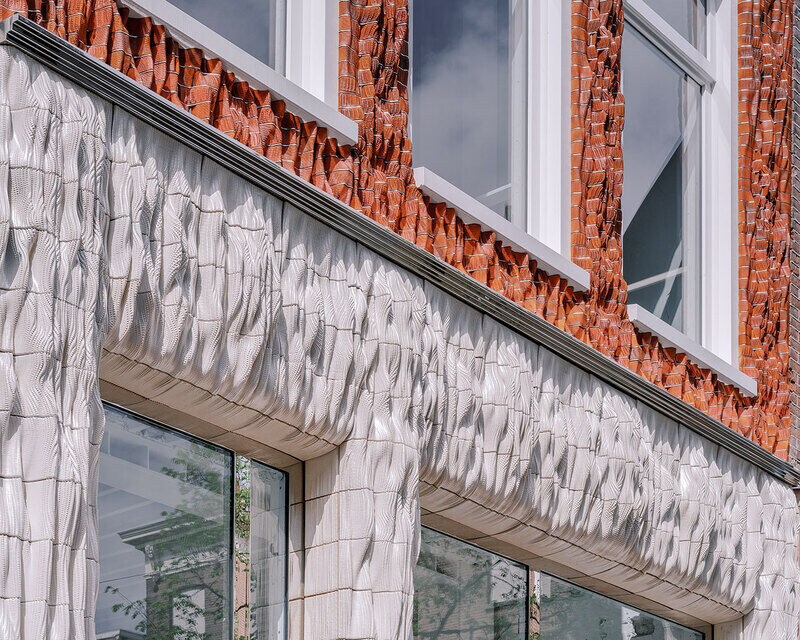
Rotterdam-based design imprint Studio RAP creates a special facade in Amsterdam dubbed the Ceramic House. The project highlights the unique blend of tradition and innovation as it highlights a... MORE
play_circle_filledLow-Carbon Biomaterial Bricks
Low-Carbon Biomaterial Bricks
Tavs Jorgensen Created Sustainable Extruding Cob Bricks
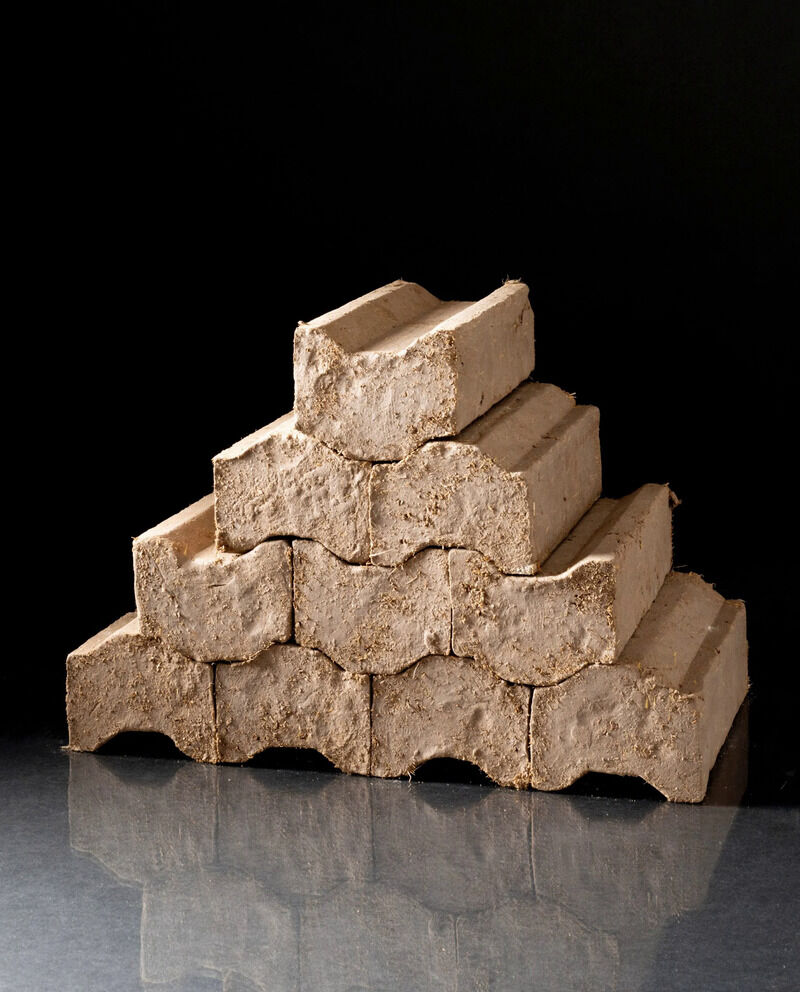
Researcher Tavs Jorgensen has created a new process that forms cob bricks with the goal of forming low-carbon biomaterial at a more accessible rate. It is used to create bricks that can be stacked... MORE
play_circle_filled3D-Printed Clay Bricks
3D-Printed Clay Bricks
Researchers at UAC in Cairo Developed Customizable Clay Panels for Homes
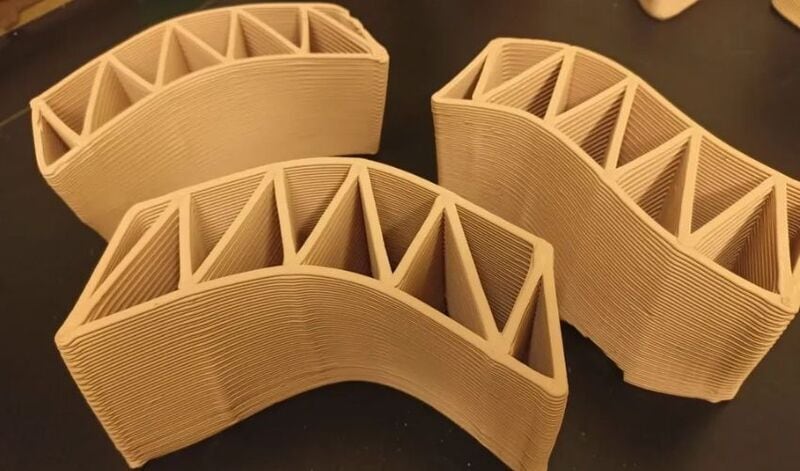
Researchers at the American University in Cairo (AUC) have developed a 3D-printed clay brick solution aimed at sustainable, eco-friendly construction. This innovative project, a collaboration... MORE
3D-Printed Recycled Glass Bricks
MIT Engineers Created a Solution to Printing Custom Glass Bricks
MIT engineers have developed a new type of reconfigurable masonry using 3D-printed, recycled glass. Leveraging a custom 3D glass printing technology provided by MIT spinoff Evenline, the team has... MORE
Compact Compost
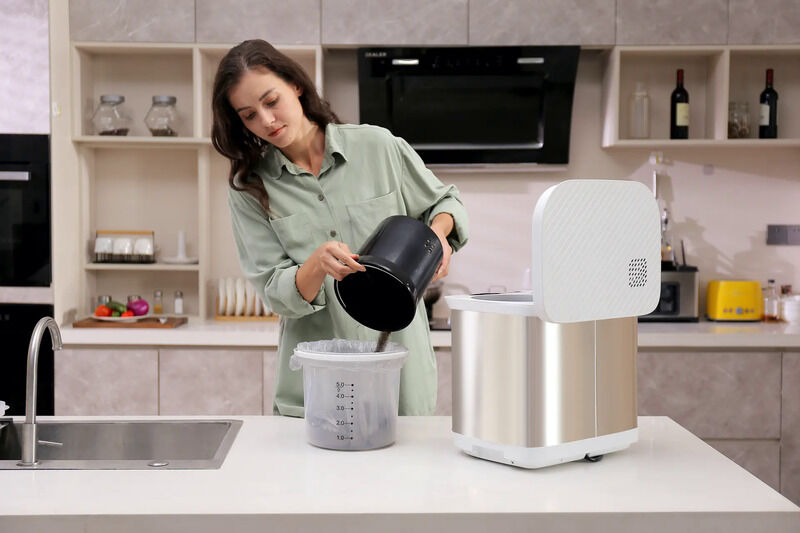
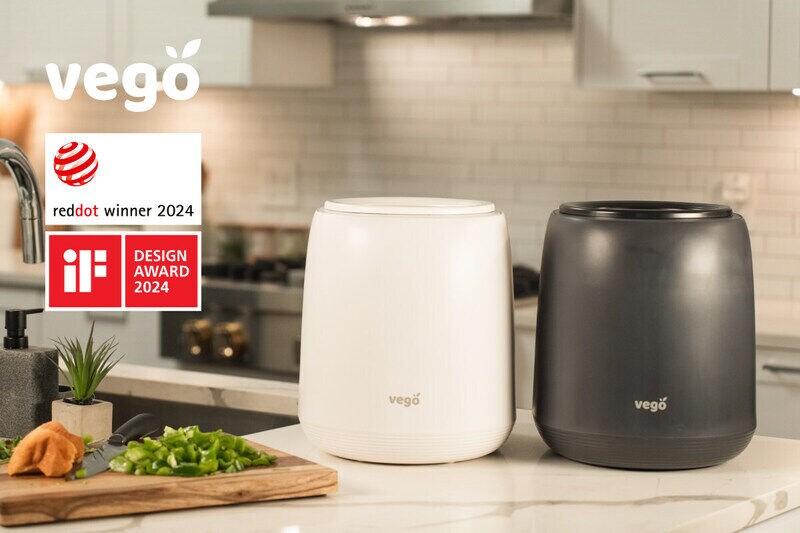
Countertop composters are used to transform kitchen waste into usable products
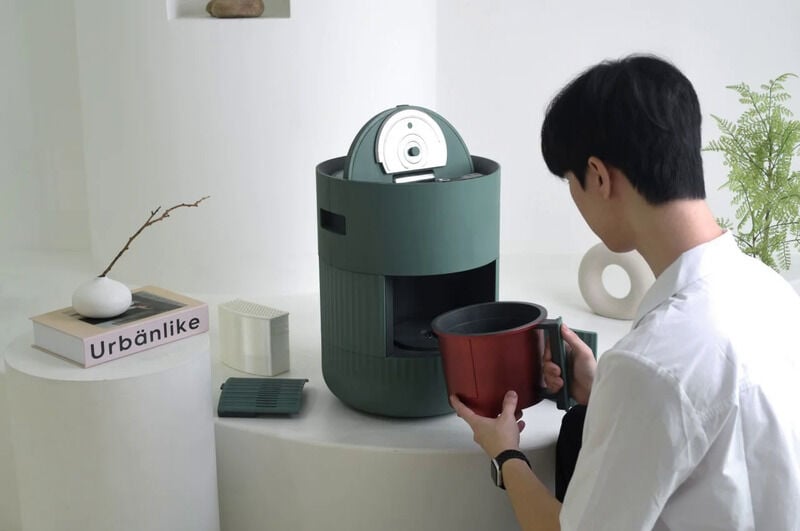
Trend - Appliance companies are releasing countertop composters designed for the kitchen. These composters accept food waste and paper-based products, which they then transform into usable fertilizers. These feature tight seals to keep scents trapped, and removable components for easy maintenance.

Insight - Environmentally-conscious consumers are acutely aware of the amount of food waste they produce. Often, these consumers will opt for products with both eco-friendly ingredients and packaging. However, discarding such packaging and producing food waste are still inevitable in the kitchen. For consumers who would like to further reduce their environmental footprint in the kitchen, brands are creating countertop composters that enable these consumers to see their eco-friendly impact in real-time.
Workshop Question - How can your brand leverage environmental consciousness to create innovative products or services that help consumers reduce waste in their daily routines?
5.7
Score
Popularity
Activity
Freshness
Patterns
Megatrends
Canned Soap
Cosmetics brands are using aluminum cans to aid sustainability efforts
Trend - Self-care products are being offered in aluminum cans to enhance sustainability. Often coupled with refillable designs, these cans reduce packaging costs and are nearly infinitely recyclable. Additionally, the resilience of aluminum packaging simplifies shipping and logistics systems.

Insight - The majority of consumer cosmetic products are packaged in bright plastic cases. Consumers in this space are accustomed to these designs. However, they are becoming increasingly aware of the environmental impact of single-use plastics, and as a result, are now gravitating toward more sustainable solutions, such as refillable or recyclable packages. Brands in the self-care and beauty industries are recognizing the ever-increasing importance of sustainable packaging, and are turning to aluminum.
Workshop Question - How could your brand benefit from circular packaging materials, such as aluminum or paper?
6.8
Score
Popularity
Activity
Freshness
Patterns
Megatrends