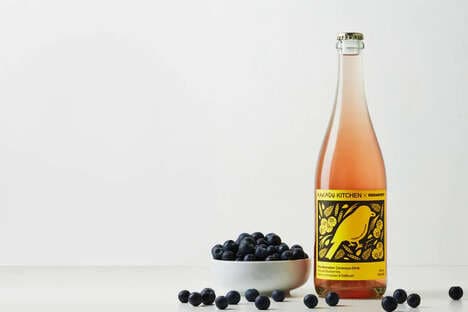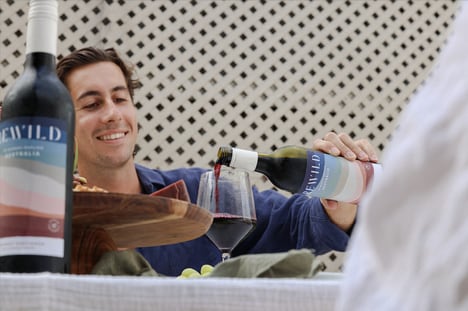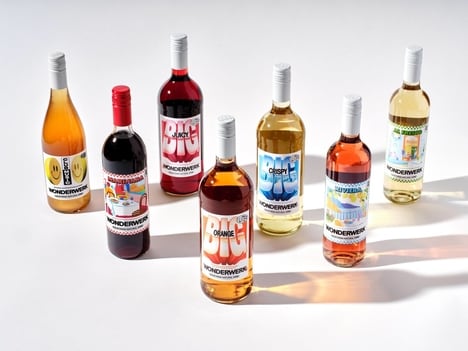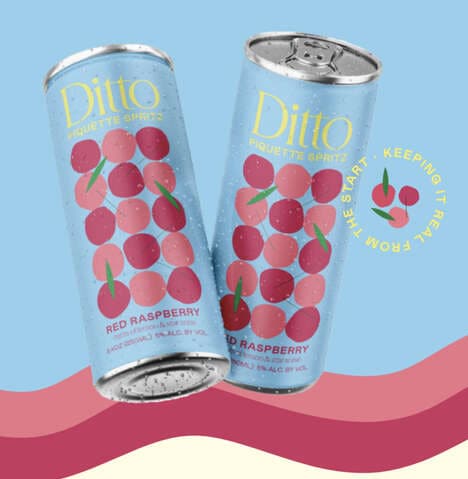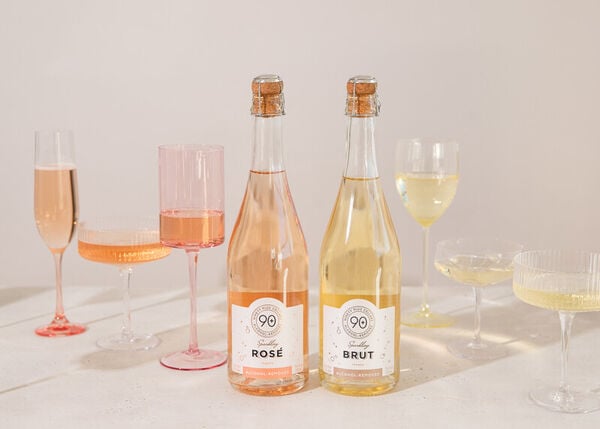
Rotterdam Urban Winery is an innovative venture that transforms surplus table grapes into wine. Through its production process, the brand addresses the pressing issue of food waste. As the first urban winery in the city to utilize its unique resources, Rotterdam Urban Winery strives to create enjoyable wines while promoting sustainability.
The project began during the COVID-19 pandemic when the founders explored ways to repurpose excess fruit, leading to the realization that table grapes could be viable for winemaking. Rotterdam's status as Europe's largest grape importer means that significant quantities are often discarded, creating a perfect opportunity for this initiative.
The winery faced challenges securing funding, but persistence paid off with support from CityLab010 and an innovation loan from Rabobank. Rotterdam Urban Winery has launched its first products—a sparkling white and a rosé—each with distinct characteristics. The winery plans to open in the Keilepand area, allowing for experimentation with various vinification techniques and offering tasting experiences.
Image Credit: Rotterdam Urban Winery
Key Themes Behind This Trend
- Upcycled Beverages
- Transforming surplus table grapes into wine highlights creative reuse in the beverage industry.
- Urban Wineries
- Establishing wineries in urban settings like Rotterdam showcases the potential for city-based agricultural production.
- Sustainable Vinification
- Experimentation with vinification techniques in urban settings opens up pathways for sustainable wine production.
Where This Applies
- Wine Industry
- The integration of upcycled fruit into wine production presents an environmentally-friendly approach to winemaking.
- Food Waste Management
- Innovations that transform discarded produce into consumable products address crucial issues in food waste reduction.
- Urban Agriculture
- Expanding agricultural ventures within urban environments brings unique opportunities for local food and beverage production.