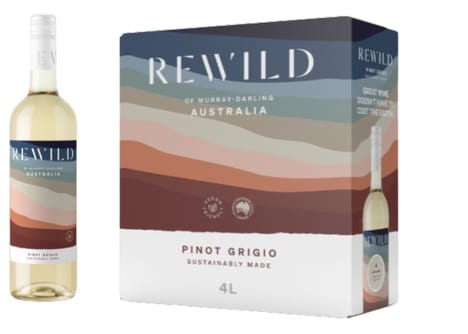
Rewild Wine has introduced a pair of vegan-friendly varietals — a Pinot Grigio and a Cabernet Sauvignon — to the Canadian market in time for National Wine Day on May 25th, 2026. The company's expressions stand out with a philosophy centered on ecological regeneration.
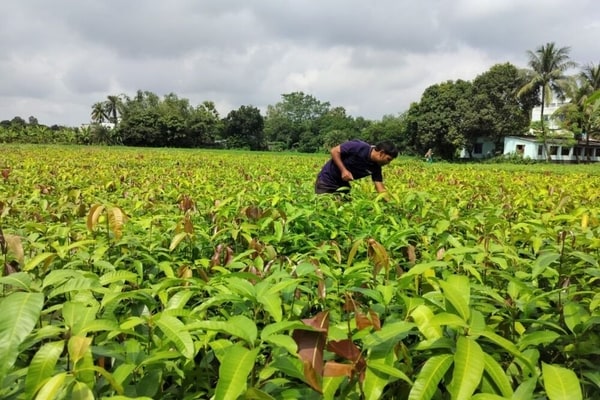
This Australian-born brand, now bottled locally in Canada through Andrew Peller Limited, employs regenerative farming techniques in the Southern Murray Darling region. Specifically, Rewild Wine uses composting, biodiversity protection across over 2,000 hectares of native vegetation, and has planted more than 20 species of trees and shrubs acoross 70 hectares.
In the winery, the operation has prevented over 750 tonnes of carbon dioxide emissions through green energy storage and a hybrid hydrogen battery aimed at achieving 100% renewable power, while also recycling up to 150 million litres of water annually.
Image Credit: Rewild Wine
What's Driving This Trend
- Regenerative Agriculture in Viticulture
- Adoption of composting, native-species reforestation and biodiversity-led land management across vineyards creates potential for premium terroir-driven products and ecosystem service monetization.
- Plant-based Wine and Vegan Labeling
- Growing consumer demand for certified vegan and animal-free fining processes is opening space for differentiated branding and supply-chain transparency that can reshape premium positioning.
- Carbon-neutral and Circular Winery Operations
- Integration of hybrid hydrogen batteries, large-scale water recycling and on-site renewable energy points to new business models linking wineries with grid services and carbon-offset markets.
Who This Affects Most
- Wine and Alcoholic Beverages
- Heritage and boutique wine producers face pressure to integrate regenerative practices, enabling product lines that command sustainability premiums and traceable provenance.
- Renewable Energy Storage and Microgrids
- Deployments of hybrid hydrogen and battery systems at agricultural estates highlight opportunities for modular energy-as-a-service offerings tailored to rural producers.
- Agri-biodiversity and Ecosystem Services
- Large-scale native vegetation preservation and multi-species plantings suggest demand for specialized biodiversity monitoring, carbon accounting and habitat restoration service providers.