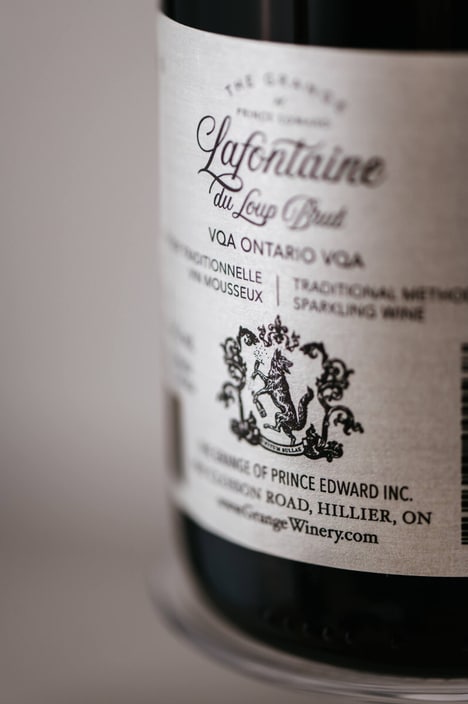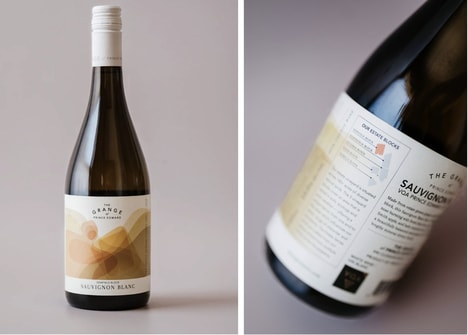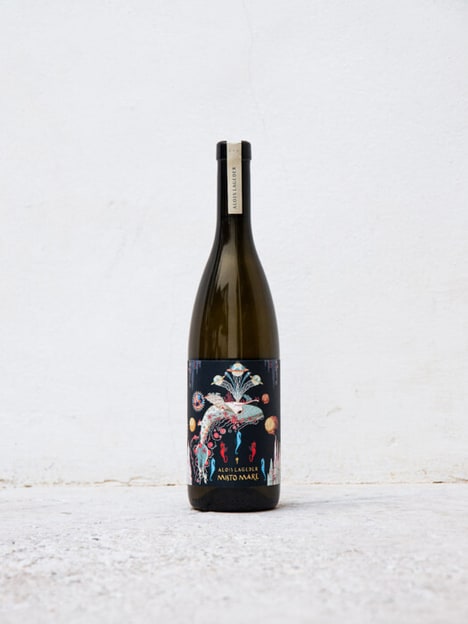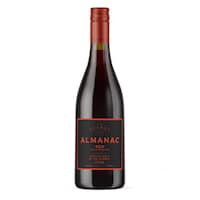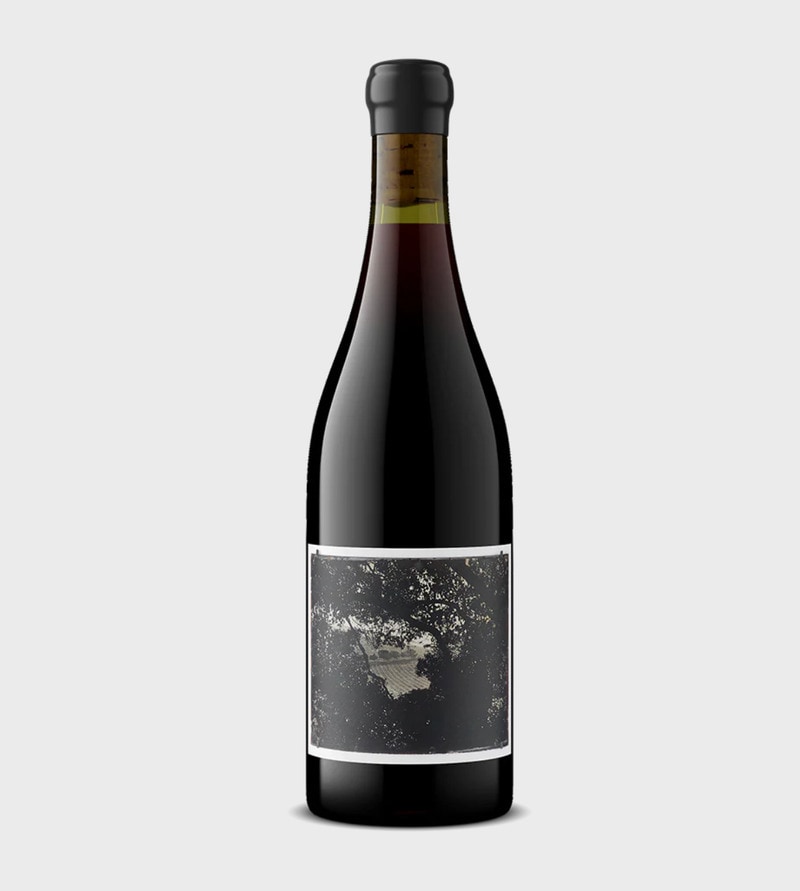
The Center for Regenerative Agriculture at Jalama Canyon Ranch, stewarded by the non-profit White Buffalo Land Trust, has released a limited 2023 Pinot Noir. This expression was produced from grapes grown on its five-acre vineyard, which is farmed using regenerative viticulture practices that seek to restore ecological health.
Since assuming stewardship of the ranch in 2021, White Buffalo Land Trust has been working to transform the vineyard into a vibrant ecosystem by integrating cover crops, compost-rich soil, pollinator-friendly hedgerows, and habitats for beneficial birds and insects that work in harmony with the surrounding wildlands.
The 2023 Pinot Noir itself was crafted by Sandhi Wines, located just 15 minutes away in Lompoc, and offers a flavor profile described as bright red berries, bark spice, and a subtle mezcal-like finish. It has received critical recognition, including a 95-point score from Wine Enthusiast.
Image Credit: White Buffalo Land Trust
What's Driving This Trend
- Regenerative Viticulture
- Emerging canopy management, cover-crop regimes, and soil microbiome manipulation create prospects for significantly enhancing vine resilience and producing distinctively traceable wine profiles.
- Biodiversity-integrated Farms
- Habitat restoration and pollinator-friendly hedgerows are enabling models where integrated pest control and ecosystem services reduce chemical inputs and alter cost structures across production.
- Micro-regional Terroir Branding
- Small-acreage, place-specific expressions backed by scientific provenance and storytelling open pathways to premium niche markets and new provenance-linked value chains.
Who This Affects Most
- Wine Production
- Precision viticulture, regenerative sourcing credentials, and sensory-driven micro-lot releases have the potential to redefine premiumization, traceability, and supply segmentation.
- Sustainable Agriculture Services
- Soil-health monitoring platforms, compost and cover-crop supply chains, and ecosystem-service verification systems could form novel bundled services and revenue streams for rural land stewards.
- Ecotourism and Hospitality
- Conservation-certified tasting experiences and immersive farm-stay offerings present opportunities to blend experiential revenue with brand differentiation and conservation funding mechanisms.