Category
Tech
Automated Upkeep
Brands appeal to specific fan bases for increased consumer loyalty.

Trend
Fandom Reward: Brands looking to increase consumer engagement through contest marketing are harnessing the power of the "fandom." Fiercely loyal and unrelentingly passionate, fan communities, whether they be dedicated to sports teams, television shows or musical artists, are willing to immerse themselves in a multitude of challenges to reap very specific rewards. These hyper-concentrated contests reveal the benefits of targeted versus broad marketing.
Trend themes
Brands are capitalizing on loyal fan communities, creating branded contests and immersive challenges to increase customer engagement.
Brands are gamifying marketing campaigns to increase customer engagement, creating interactive challenges for customers to participate in.
Brands are partnering with movie franchises to create innovative marketing campaigns that utilize the excitement and hype surrounding the movie's release.
Industry implications
The field of marketing can utilize these trends to create more targeted and immersive experiences for customers.
The entertainment industry can leverage these trends to create more loyal fan communities and increase their customer base.
The technology industry can utilize gamification to increase engagement and loyalty in their products and services.
Trend signals
Trend score 4.1 out of 10, from popularity 74%, activity 43%, freshness 8%.
Evidence
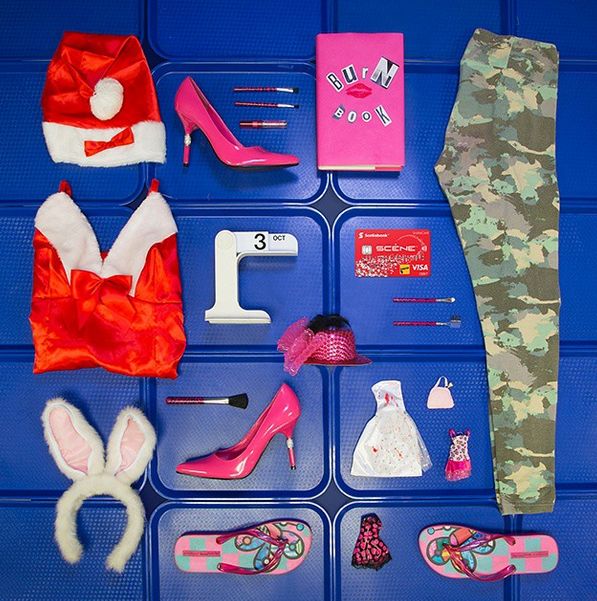
Scotiabank's Movie Marketing Stunt Shows off Item Collages on Instagram
The entertainment industry can leverage interactive social media campaigns to promote movies, TV shows, and other forms of entertainment.
The Orange is the New Black Fandom is Dedicated
Opportunities for TV shows, movies, and other forms of entertainment to connect with fans and build a loyal following.
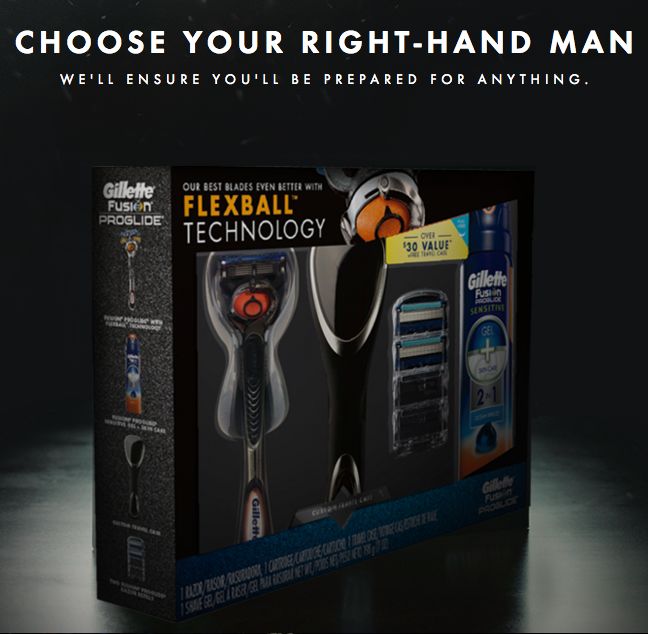
Gillette and 'Spectre' Encourage People to Have 'Bond Moments'
The personal care and grooming industry can leverage popular culture to promote their products in unique and creative ways.
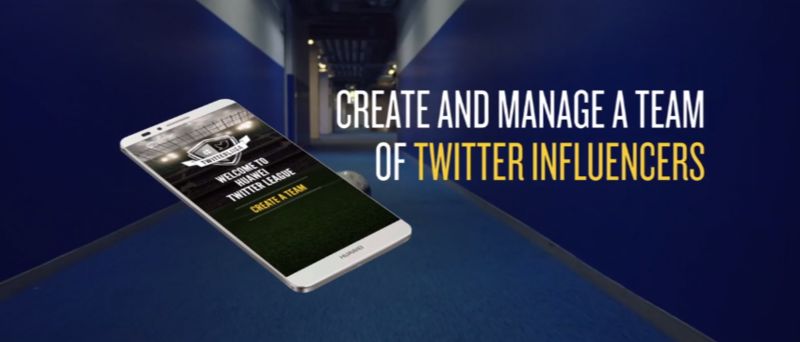
Huawei's Twitter Fantasy League Lets Users Manage Teams of Celebs
Disruptive innovation opportunities in the development of smartphones with integrated features that enhance gamification and social media experiences.