



Category
Lifestyle
Assisted Choices
Nonessential tech products get a budget-friendly makeover.


Trend
Affordable Superfluous: Allowing those with lower incomes to reap the benefits of what are seen as "unnecessary" tech products, brands are offering consumers attractive cost-conscious alternatives. A stark contrast to an industry that's typically seen as cost-prohibitive, this change is shifting consumers' perception of how far their money can go in the tech market.
Trend themes
Brands are offering consumers attractive cost-conscious alternatives, allowing those with lower incomes to reap the benefits of 'unnecessary' tech products.
Virtual and Mixed Reality systems are becoming more affordable, allowing more people to engage with these new technologies.
Companies are launching affordable wearable technology products that offer functional designs and technology to track fitness and daily activities.
Industry implications
Consumer electronics industry is releasing budget-friendly tech gadgets that appeal to individuals who want to use the latest technology without breaking the bank.
Gaming industry is releasing more affordable gaming hardware and software that are accessible to a wider audience.
Fitness industry is incorporating wearable technology that is more affordable, offering easy tracking of daily health and fitness routines.
Trend signals
Trend score 4.9 out of 10, from popularity 76%, activity 62%, freshness 8%.
Evidence
The Xiaomi Mi VR Headset is Priced at Just $29
The virtual reality industry can benefit from offering more affordable options like the Xiaomi Mi VR headset.
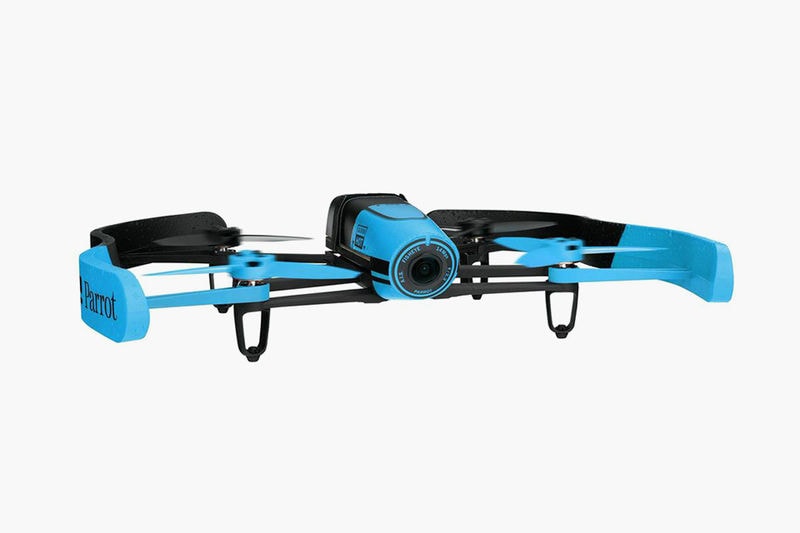
The Parrot Bebop is Competitively Priced for All to Enjoy
The drone industry falls within the consumer electronics industry as affordable drones and innovative features drive consumer demand and expand the market.
ZapBox Provides a Way for People to Engage with Virtual Reality
The ZapBox product provides an affordable virtual reality option for consumers in the gaming and entertainment industry.
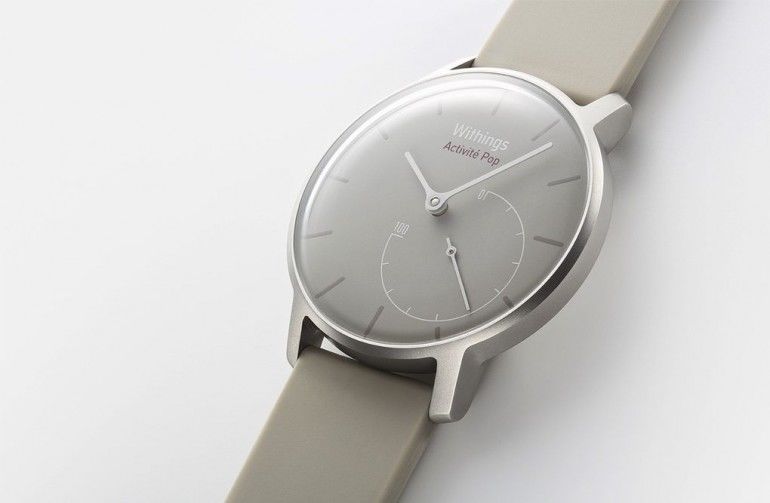
The Withings Activite Pop is Functional, Attractive and Affordable
The Withings Activite Pop highlights the opportunity for innovation in creating cost-effective fitness tracking devices.
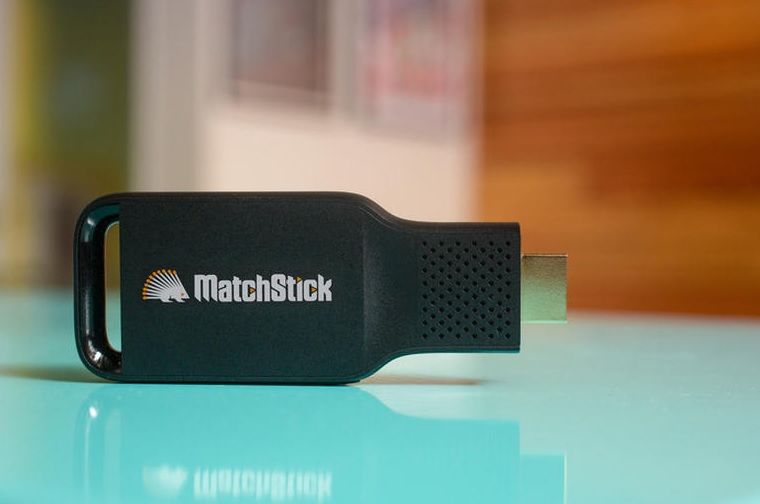
The Mozilla MatchStick is a Budget-Friendly Chromecast Alernative
Inexpensive streaming sticks create opportunities for consumer electronics companies to innovate in the streaming device market and offer affordable options to consumers.






