Category
Business
Autumn Teasers
Brands turn to open outdoor spaces to improve consumer accessibility.
Trend
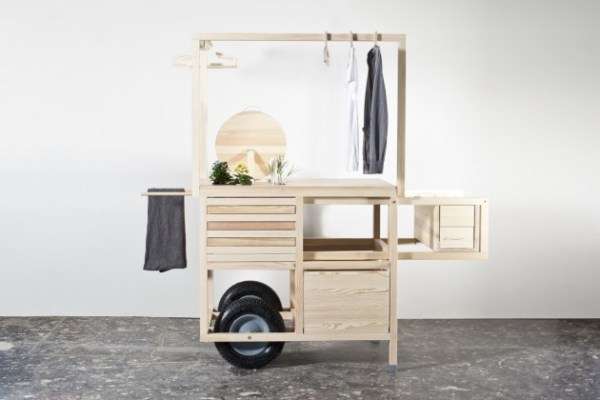
Accessible Retail: As rental prices continue to skyrocket, retailers are looking to alternative methods of exposure to sell their products. Providing ample space at a fraction of the cost, brands are utilizing mobile units or pop-up carts to transport their business ventures to open outdoor spaces like parks, giving consumers access to brands through the use of more approachable, public spaces.
Trend themes
Retailers are turning to open outdoor spaces as a more cost-effective and accessible means of exposure.
Pop-up stores are becoming increasingly popular as a cost-effective alternative to opening a retail location.
Online shopping and click-and-collect stations are making receiving and collecting orders more convenient for consumers.
Industry implications
Brick-and-mortar retailers can benefit from exploring alternative, cost-effective means of exposure such as pop-up stores and utilizing open outdoor spaces.
Companies can explore outdoor culinary experiences to provide unique dining experiences and take advantage of beautiful scenic settings.
E-commerce companies can improve the shopping experience by implementing convenient web-based features such as click-and-collect stations.
Trend signals
Trend score 5.8 out of 10, from popularity 83%, activity 82%, freshness 8%.
Evidence
COS Releases a Minimalist Pop-Up Cart to Showcase its Stylish Clothes
The fashion industry can leverage pop-up stores and mobile retail carts to create immersive shopping experiences and reach a wider customer base.
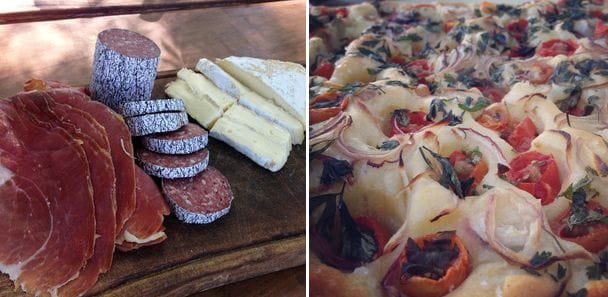
Tres Arbolitos Creates an Eating Experience in the Great Outdoors
Catering companies can take advantage of the trend towards outdoor culinary experiences and create unique menus that showcase seasonal and locally sourced ingredients.
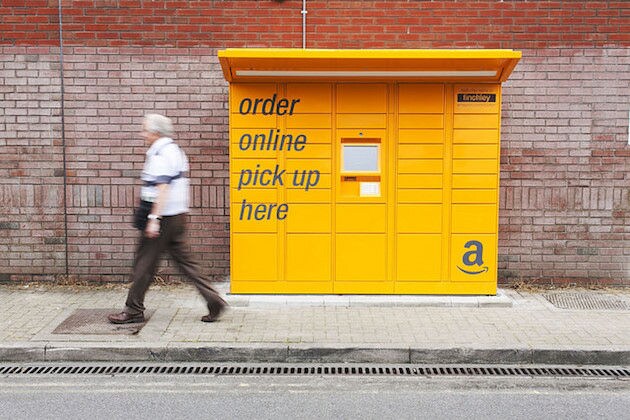
Click-and-Collect Stations Help to Make Amazon Delivery More Convenient
Retailers can explore click-and-collect stations to streamline the package pickup process.
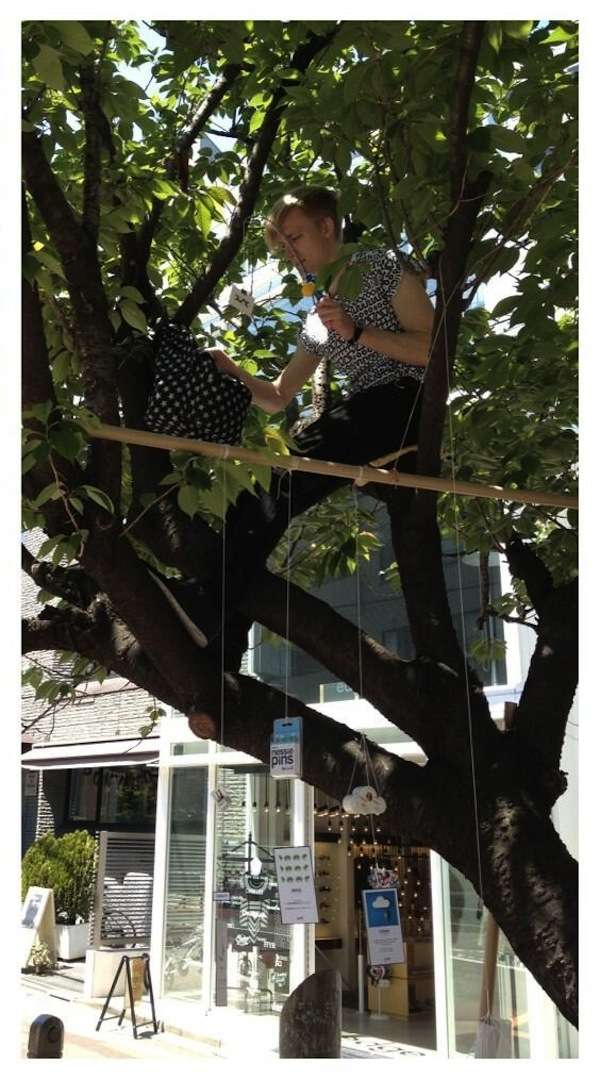
Duncan Shotton's ‘POP-UP A TREE SHOP' Sells Products from Up High
Disruptive innovation opportunity: Experiment with pop-up shops to offer customers a new and engaging way to experience and purchase products.