
Category
Lifestyle
Serial Snacking
The maker movement expands to include wellness technology innovations.
Trend
Maker Culture Health: As online tutorials and the need for customization become ubiquitous topics for consumers, a growing number of "makers" are taking healthcare into their own hands. Manufactured using readily available components, consumers have the ability to be increasingly independent from larger manufacturers.
Trend themes
The trend of maker culture is influencing the healthcare industry towards personalization and independence from larger manufacturers.
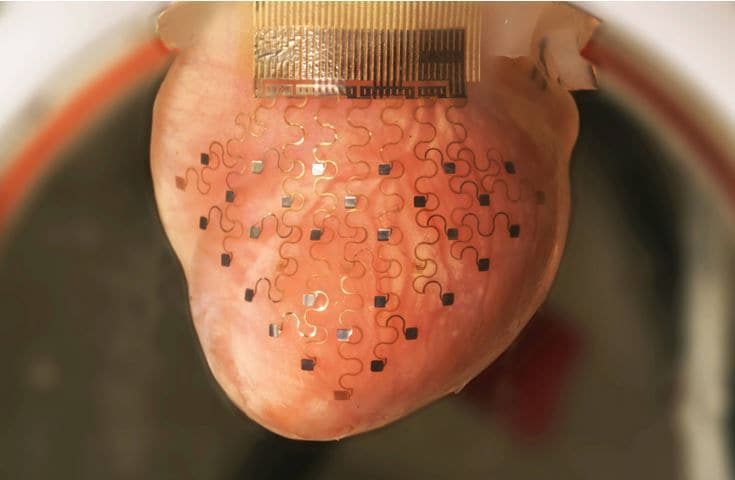
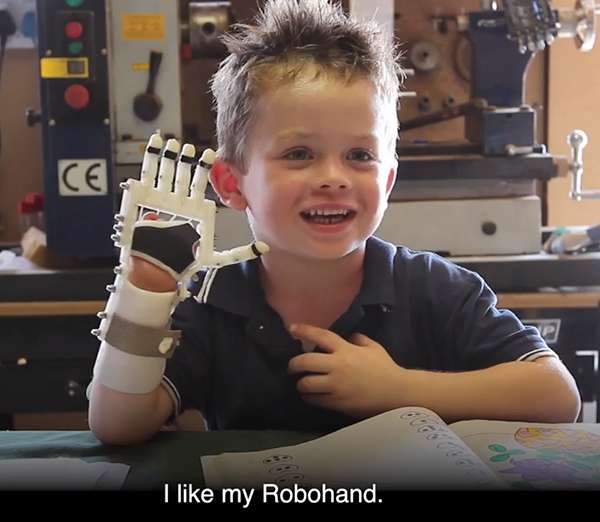
The DIY trend is being applied to healthcare, with consumers creating homemade prosthetics, wands, hearing aids and even artificial hearts.
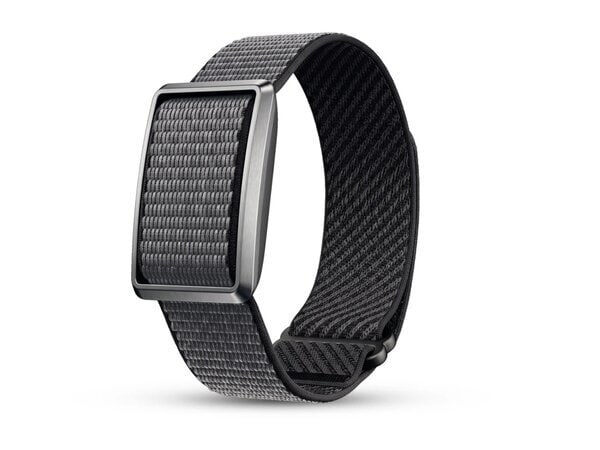
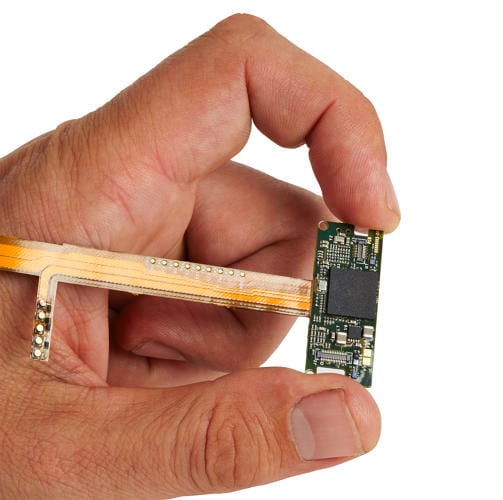
The Samsung Simband introduces an open platform to encourage designers to embellish and improve wearable health tracking devices.
Industry implications
The healthcare industry can explore opportunities to incorporate a DIY ethos and personalization to attract customers.
The wearable tech industry could provide affordable, user-friendly devices with open platforms for designers to expand functionality.
Manufacturers can develop technologies that enable and encourage consumers to create their own customizable solutions in healthcare and other industries.
Trend signals
Trend score 3.7 out of 10, from popularity 69%, activity 34%, freshness 8%.
Evidence
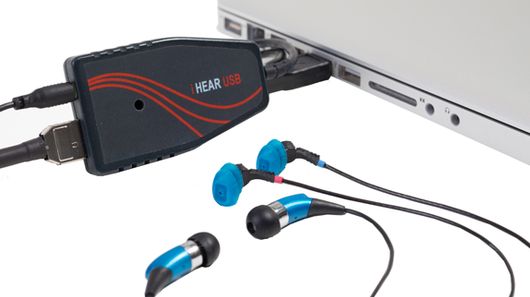
The 'iHear' Hearing Aid Can Be Programmed and Calibrated By the User
Providing accessible and affordable hearing aids to those in need
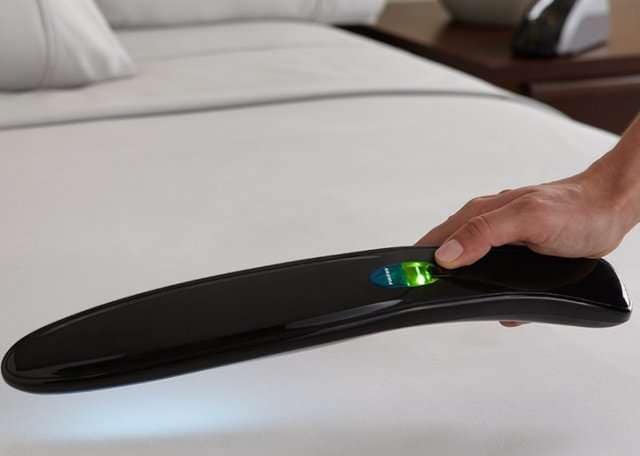
The Rechargeable UV-C Purifying Wand Kills Unwanted Pests
The home appliance industry can capitalize on the demand for innovative germ-killing products like the Rechargeable UV-C Purifying Wand.
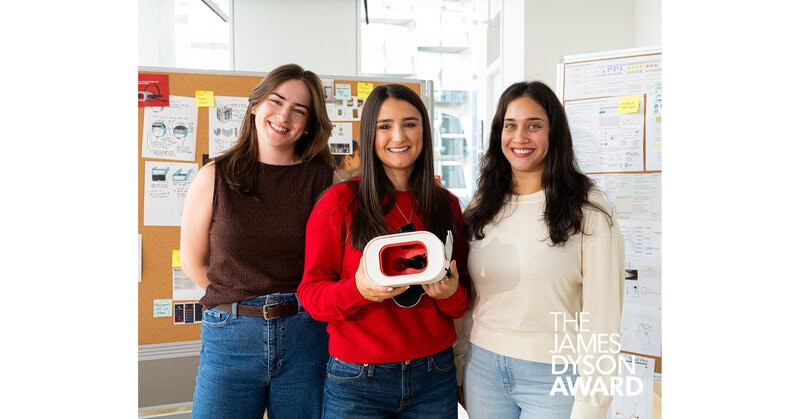
These Artificial Heart 3D-Printed Membranes Could Save Your Life
Disruptive innovation opportunity: Drive advancements in biomedical engineering to develop groundbreaking technologies for improving heart health and personalized medical devices.
The Samsung Simband Prototype Ushers in an Open Platform for Designers
The Samsung Simband prototype could push for more open and customizable health tracking devices.
These Prosthetic Hand Designs Will Help Out Any Family in Need
The healthcare industry can leverage 3D printing technology and open-source design to provide more accessible and affordable prosthetic solutions to patients.