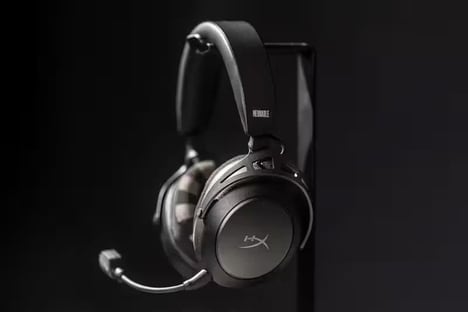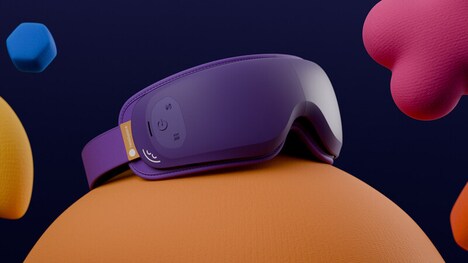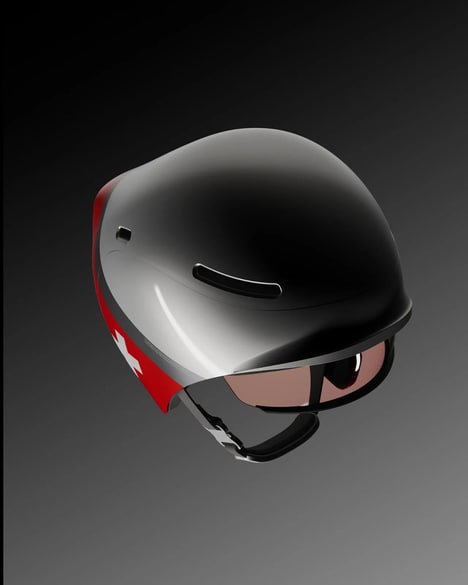
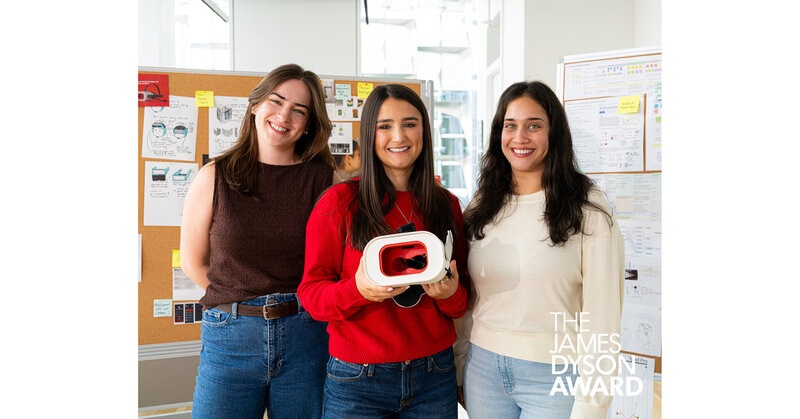
Rapid concussion screening headsets are making objective neurological assessments more accessible through Rumble Rims, a low-cost system developed by Harvard University students Radhika Saran, Cleo Pontone, and Sophia DeVito. The headset uses infrared cameras and hot mirrors to track how an athlete's eyes follow, fixate, and move during an approximately 60-second screening. A coach-facing display translates the measurements into guidance that can help determine whether an athlete should be removed from play and referred for medical evaluation.
The system addresses the gap between expensive clinical eye-tracking equipment and subjective sideline assessments while remaining a screening rather than diagnostic tool. For schools and youth sports programs, its portable format could make objective concussion screening easier to deploy. Rumble Rims could also create opportunities for sports technology companies to develop affordable neurological assessment tools that combine rapid testing, real-time guidance, and ongoing recovery tracking.
Image Credit: Dyson
Key Themes Behind This Trend
- Sideline Neuro-screening
- Portable eye-tracking tools are bringing objective brain health indicators closer to the moment of injury, creating space for affordable assessment platforms tailored to schools, leagues, and community sports.
- Low-cost Eye Tracking
- Consumer-grade infrared cameras and simplified optics are lowering the barrier to neurological measurement, opening possibilities for compact devices that translate clinical-style data into everyday decision support.
- Real-time Athlete Safety
- Instant coach-facing guidance is reshaping injury response workflows, enabling new connected systems that combine rapid screening, removal-from-play prompts, and longitudinal recovery monitoring.
Where This Applies
- Sports Technology
- Affordable concussion screening hardware can expand the category beyond elite teams, with scalable products designed for youth programs, amateur leagues, and training facilities.
- Digital Health
- Objective neurological screening data may support new care pathways that connect non-clinical environments with clinicians, telehealth providers, and recovery management platforms.
- Education Services
- Schools managing athletic safety could benefit from accessible screening infrastructure, creating demand for bundled devices, staff dashboards, compliance tools, and student health reporting systems.