

Category
Lifestyle
Origin Activations
Devices turn body data into quieter everyday guidance.
What's Happening
Calm Monitoring: Health wearables, particularly in the watch format, are edging closer to broader care journeys by shifting from workout logging to ongoing checks on sleep, stress, recovery, heart health, and other everyday signals. Brands are positioning these devices as preventive tools meant to fit daily life rather than just training sessions.
Why It's Happening
With increased life expectancy and access to products and education that promote preventative health, consumers have generally become more mindful of their health, and many want to be extra vigilant about changes in their bodies. This concern extends to minute changes that could be difficult to spot at first. While many want more control over their health for peace of mind before a problem becomes serious, they do not want the added mental burden of micromanaging themselves all day. Individuals approach passive tracking and low-friction devices with curiosity because of their promise of reassurance without constant effort.
Evidence
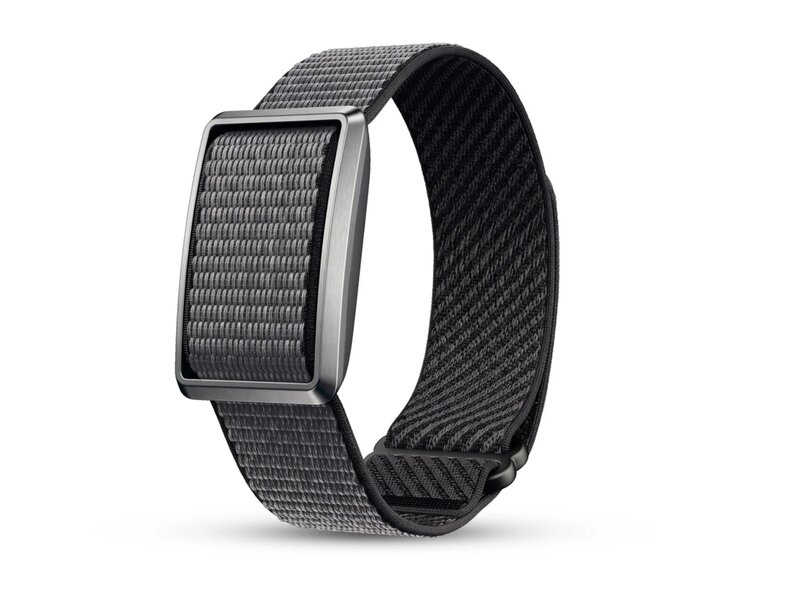
Pebble Brings Screen-Free Health Tracking Without A Monthly Subscription
Display-free device formats are reshaping product differentiation by shifting value from on-wrist interfaces to comfort, battery life, and continuous data collection.
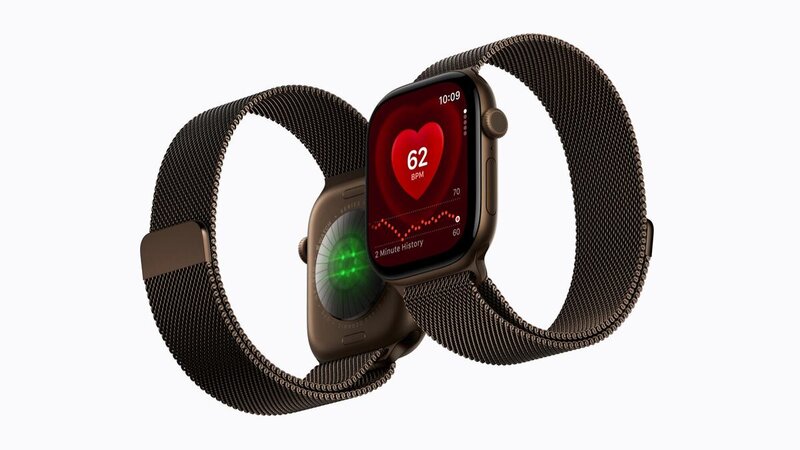
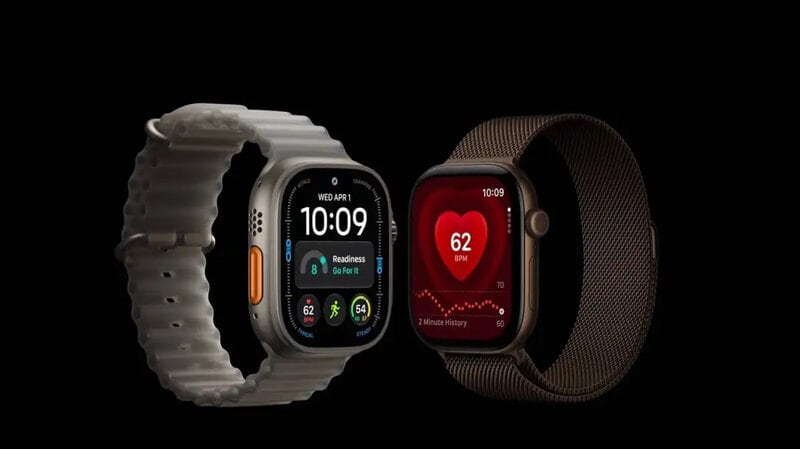
Apple Watch Series 12 Expands Everyday Health Monitoring
Smartwatches with advanced health capabilities are expanding the role of personal devices from communication tools into always-on wellness infrastructure.
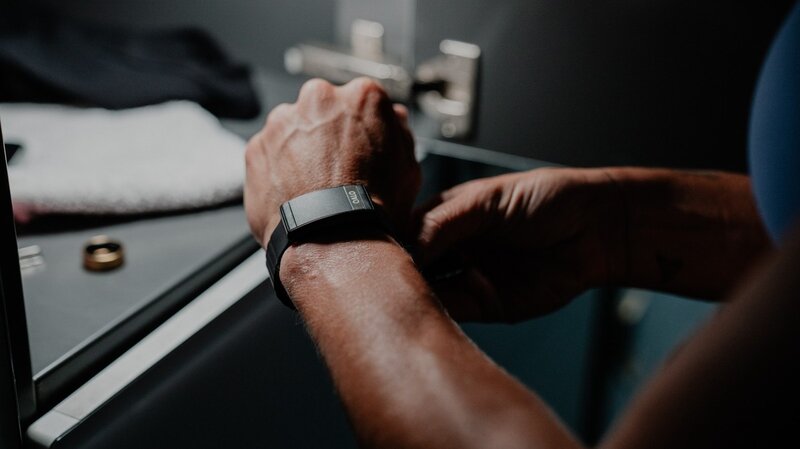
QALO Connects Smart Ring and Band Data in One Health Profile
Hybrid device portfolios create new differentiation as brands pair specialized hardware with shared software profiles.
Apple Unveiled Its Apple Watch Series 12 and Apple Watch Ultra 4
Advanced sensors, AI chips, and health-focused software are reshaping wearables into multifunctional personal health companions beyond basic activity tracking.
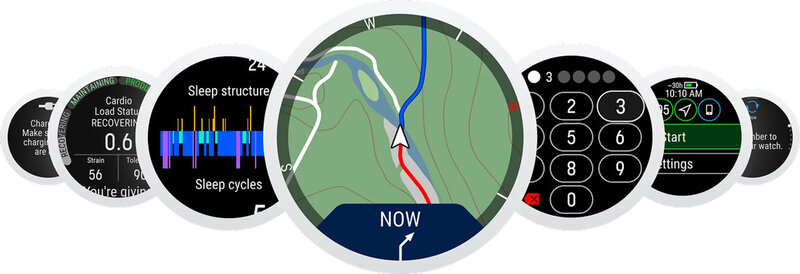
Polar OS 6 Adds Personalized Controls and Training Views
Smartwatch makers can differentiate through flexible operating systems that adapt to user preferences and sustain engagement beyond the initial device purchase.
Workshop question
How could your brand design products or services that support preventive care without adding another screen, task, or habit to manage?
Trajectory
Latest reading 7.1 for the week of Nov 9, 2026. Cooling over the final 3 scored weeks (−1.2), −0.9 from its peak of 8.0 in the week of Sep 28, 2026. Momentum 6.0/10, persistence 2.5/10, backed by 4 research findings.
18 Trend Hunter articles were grouped into the wider weekly cluster this trend was identified in, over 5 weeks.
 Faster Cuffless Blood Pressure MonitoringBiozen Reduces Blood Pressure Measurement Time by 40%
 AI Voice Heart MonitoringCordio Medical Detects Heart Failure Risks Through Speech
 Contactless Sleep Monitoring DevicesXandar Kardian Uses Radar to Track Overnight Vital Signs
 Catheter-Free Cardiac AssessmentsSensydia Funds CPS Through ACOUSTIC-1 for FDA Review
 Wearable Glucose MicrosensorsSava and Ascensia Partner on Minimally Invasive Glucose Monitoring
 Closed-Loop Wellness PlatformsSoaak Turns Wearable Data into Personalized Sound Sessions
 Advanced Body Composition ScalesHume Pod 2.0 Adds Handheld Sensors and App Tracking
 Patient-Accessible Heart MonitoringAbbott Gives CardioMEMS Patients Access to Pressure Data
 Post-Screen Recovery WearablesGUNNAR’s Ojai Vision Recovery System Creates a 10-Minute Reset
 Patient Monitoring SleevesSenphonix's Sleevesense is Made to Stream Multiple Vital Signs
 Bluetooth Heart Rate BeltsSuunto Unveiled Its Smart Heart Rate Belt 2
 Wrist-Based Cycling ComputersHuawei Watch GT 7 Tracks Cycling Performance Without Extra Sensors
Research
Preventive Wearables
Consumers increasingly want health feedback that feels continuous, personal, and actionable before problems become acute.
Wearables satisfy a growing desire to turn invisible bodily states—sleep quality, stress load, heart rate, recovery—into something trackable and manageable. The emotional appeal is not just optimization, but reassurance and a greater sense of control over everyday wellbeing.
Wearable Care Stack
Consumers are becoming more open to the idea that health should be monitored continuously, not only episodically at appointments.
The opportunity is no longer just better self-tracking; it is transforming personal data into clinically relevant context that can influence care earlier.
Interpreted Wearables
Consumers are no longer satisfied with data dumps that require self-diagnosis.
The next phase of wearables is about translating streams of metrics into meaning, coaching, and behaviorally useful guidance that helps people feel more in control of their bodies.
Clinical Signals
Wearables are moving beyond passive self-tracking toward clinically adjacent utility, but consumers still need help turning data into meaningful action.
The opportunity is no longer just to capture metrics; it is to translate them into credible care pathways and lower-anxiety behavior change. Devices must increasingly prove they can support health decisions, not just generate dashboards.