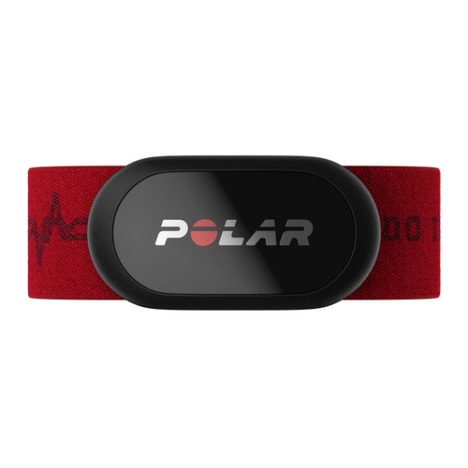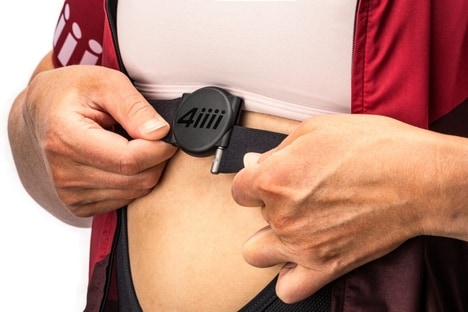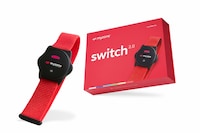
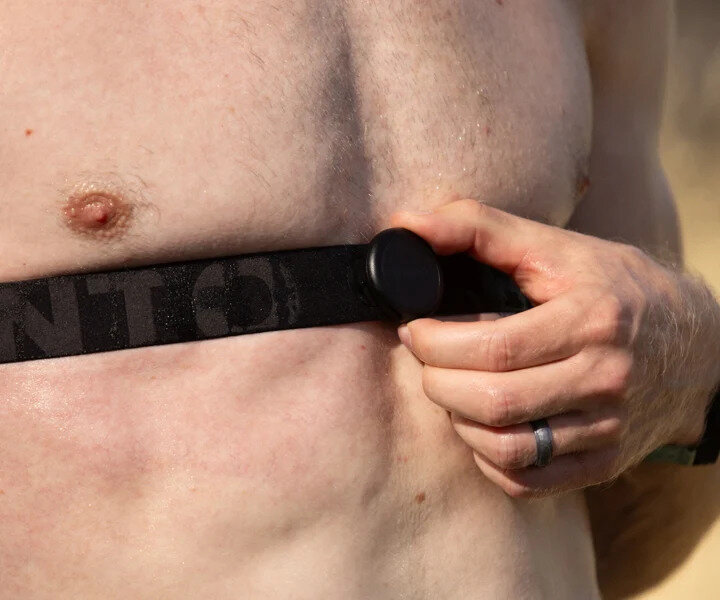
Suunto introduced the Smart Heart Rate Belt 2, a redesigned heart rate chest strap featuring a new electrical heart rate sensor and refreshed strap intended to reduce static interference. The device is positioned as a running-focused monitor designed to produce more accurate heart rate measurements during activity.
The belt can stream heart rate data simultaneously to three devices and includes expanded onboard memory that stores 20 hours of data, up from 3.5 hours on the previous model. It runs for an expected 460 hours on a single CR2032 button cell, while a status LED and button simplify pairing and operation.
A six-axis motion sensor complements the electrical heart rate sensor and, when paired with a compatible Suunto smartwatch, tracks step frequency, ground contact time, vertical oscillation, flight time and left-right balance. Priced at €99, the belt gives runners and coaches access to more detailed heart rate and running-form data.
Image Credit: Suunto
Key Themes Behind This Trend
- Multi-device Fitness Streaming
- Simultaneous heart rate broadcasting to multiple devices creates new value in connected training ecosystems where athletes, coaches and apps can access live performance data at once.
- Sensor-rich Running Wearables
- Chest-worn monitors that combine electrical heart tracking with motion analytics expand the role of wearables from basic biometrics to detailed form and efficiency assessment.
- Offline Performance Memory
- Expanded onboard data storage supports training scenarios where athletes can capture complete workout metrics without relying on continuous smartwatch or phone connectivity.
Where This Applies
- Sports Technology
- Advanced wearable sensors are reshaping performance monitoring by giving runners and coaches more precise, real-time insight into physiology and movement mechanics.
- Consumer Electronics
- Low-power connected devices with simplified pairing and long battery life highlight opportunities for more seamless integration between accessories, watches and mobile platforms.
- Health and Fitness
- More accurate activity-based heart rate measurement introduces potential for personalized coaching, recovery tracking and data-driven fitness services beyond elite athletic use.