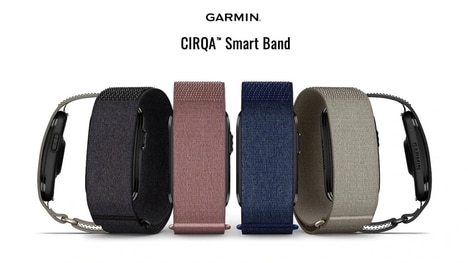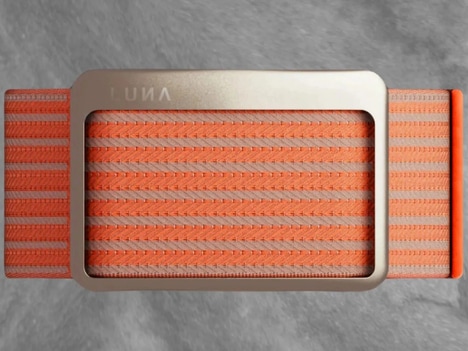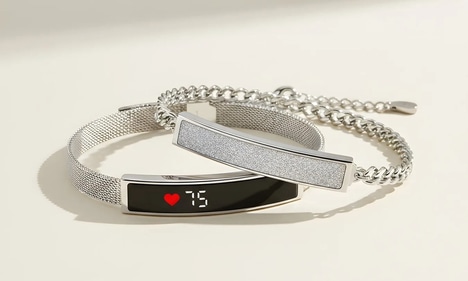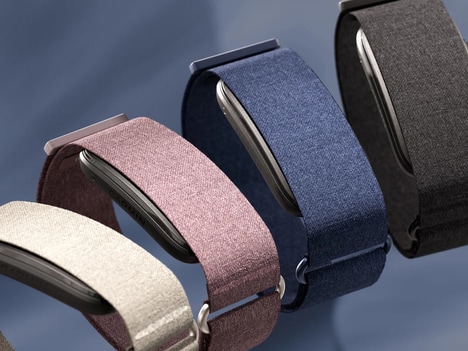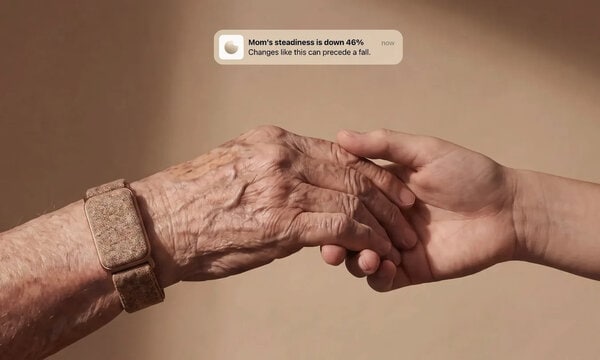
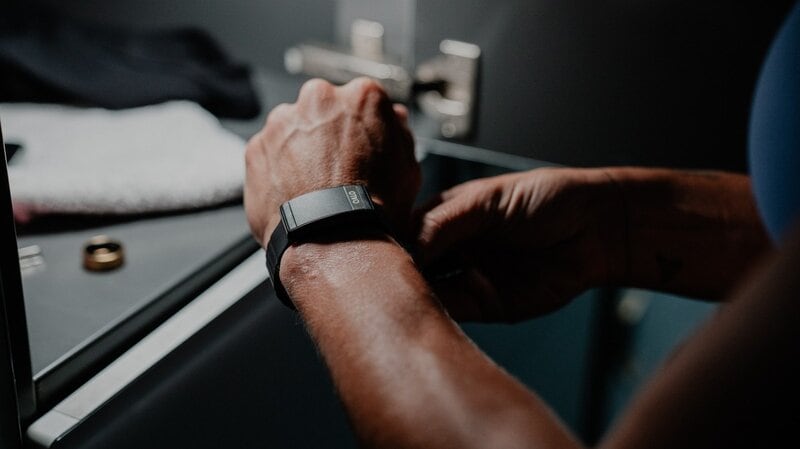
QALO is expanding its connected health ecosystem with the SL-1 Smart Band, a wrist-worn tracker designed to complement its existing Smart Ring. The subscription-free device tracks sleep, movement, heart rate, HRV, SpO2, stress, skin temperature, and women’s health metrics while offering more than 12 days of battery life. Users can switch between the Smart Ring and Smart Band depending on their activity while maintaining one continuous health profile in the QALO app, making the band particularly suited to strength training, manual labor, and other high-intensity activities.
The multi-device approach gives QALO an opportunity to serve consumers who want different wearable formats without fragmenting their health data. Adding a $199.95 Smart Band also creates another hardware revenue stream while strengthening the value of QALO’s subscription-free platform. Planned distribution across 50 Walmart locations this fall could further expand the brand beyond direct-to-consumer sales and introduce its wearable ecosystem to mainstream shoppers.
Image Credit: QALO
Why This Trend Is Growing
- Interchangeable Wearable Ecosystems
- Consumers benefit from device formats that shift across workouts, workdays, and sleep while preserving a unified health record across form factors.
- Subscription-free Health Tracking
- One-time hardware pricing creates room for connected wellness brands to compete against recurring-fee platforms with accessible long-term value.
- Continuous Multi-device Profiles
- Unified biometric data across rings, bands, and future sensors expands personalization without forcing users into a single wearable behavior.
Industries Being Reshaped
- Wearable Technology
- Hybrid device portfolios create new differentiation as brands pair specialized hardware with shared software profiles.
- Digital Health
- Integrated biometric ecosystems support broader preventive health insights by combining continuous data from multiple daily contexts.
- Retail Wellness
- Mainstream store distribution can accelerate adoption of connected health products by placing advanced trackers in everyday shopping environments.