Category
Lifestyle
Gentle Stimulation
Venues frame serves around feeling, place and texture.

What's Happening
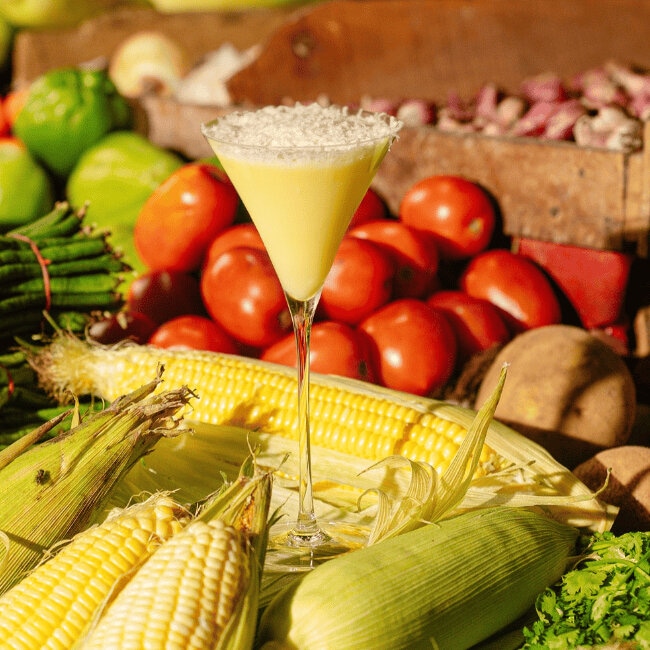
Contextual Sipping: Bars are reimagining cocktail menus around mood, occasion and local identity, making beverage discovery more intuitive and accessible. Rather than relying on technical spirit categories, venues use emotional storytelling, familiar sensory cues and regional ingredients to guide selection. This approach simplifies ordering while encouraging exploration through more relatable and distinctive drink experiences.
Why It's Happening
Consumers increasingly seek memorable social experiences without navigating complex cocktail terminology, creating opportunities for more intuitive menu design. As drinking preferences evolve, emotional cues and situational storytelling can make beverage discovery feel more inclusive and engaging. Wellness awareness and spending considerations also encourage guests to seek greater experiential value from each order. For venues, organizing drinks around mood, occasion and local identity helps simplify selection while making the menu itself a tool for personal expression and exploration.
Evidence
Revery Bar Sorts 15 Drinks by Feeling at the London Hilton
Hotels and bars have room to reframe beverage programs as lifestyle experiences that increase guest engagement beyond traditional food-and-drink service.
Cosmo Pony Turns Jakarta’s Street Food Into A New Cocktail Menu
Hotels and bars can stand apart from standardized luxury offerings by grounding premium experiences in everyday urban food culture.
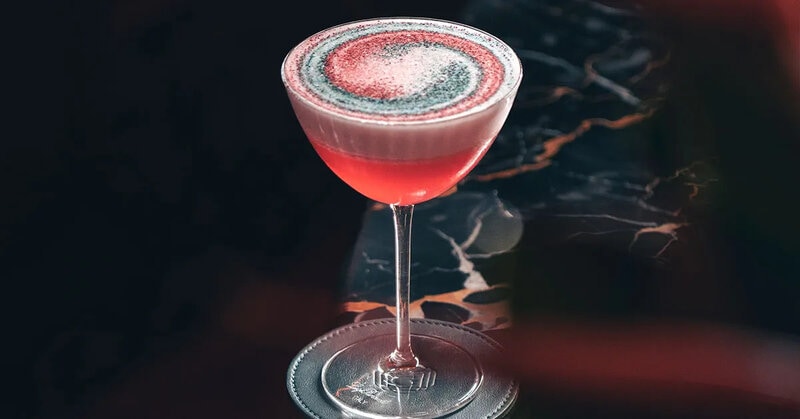
Giacosa 1815 Turns Cocktail Foam Into a Spiral With Powder
Bars can differentiate menus through replicable visual rituals that make signature drinks more shareable without requiring complex new equipment.
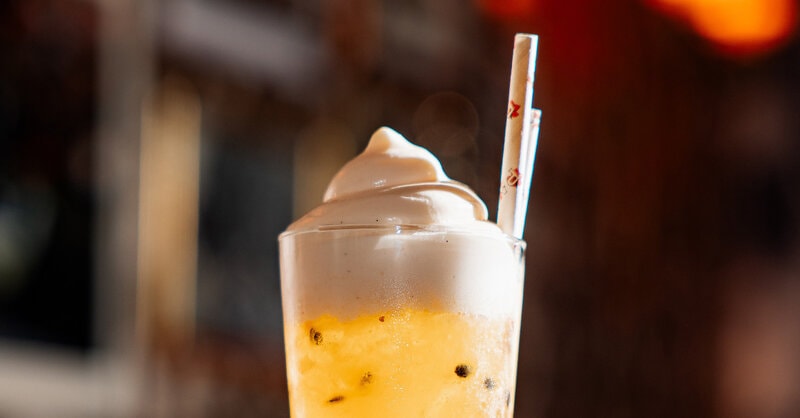
Papi Tops the Mami Chula with Custard Foam
Layered foam applications give operators a distinctive way to differentiate signature serves while adding sensory value beyond standard presentation.
De Vie Builds Its Mikan v1 Cocktail Around French-Grown Mandarins
Hotels, bars, and restaurants gain new positioning potential through hyperlocal drink programs built around regional produce.
Workshop question
How could your brand translate a complex offering into mood, moment or place-based choices that feel easier to navigate?
Trend themes
Emotional categories turn drink selection into a more intuitive hospitality interface, creating space for personalized recommendations that bridge alcoholic, low-alcohol and zero-proof occasions.
Regional produce and everyday food references give cocktail programs a stronger sense of place, with sourcing constraints becoming distinctive brand assets and seasonal menu engines.
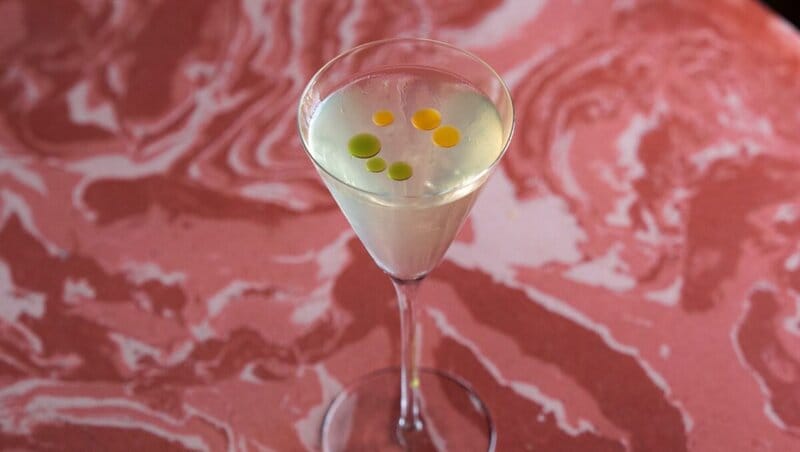
Foams, powders, custards and interactive garnishes add sensory participation to each serve, expanding cocktails into visually repeatable formats suited to social sharing and premium pricing.
Industry implications
Hotels, bars and restaurants can use contextual menu design to make ordering feel more inclusive while differentiating venues through mood, place and occasion-based experiences.
Ingredient suppliers, beverage brands and culinary developers gain relevance from formats that translate local crops, waste streams and familiar flavors into premium drink concepts.
Menuzines, guided selections and participatory serves point to new service models where storytelling, visual ritual and sensory interaction shape how consumers discover products.
Trajectory
Latest reading 7.3 for the week of Nov 9, 2026. Holding over the final 3 scored weeks (±0.0), at its peak of 7.3. Momentum 4.6/10, persistence 2.5/10, backed by 4 research findings.
Research
Classic Code
Classic cocktail references reduce risk in a fragmented market by giving consumers a flavor map they already understand.
The names do more than describe taste; they signal occasion, sophistication, and nightlife literacy. That lets brands introduce new formats while still feeling instantly familiar and socially readable.
FlavorPrint Bartender
Many consumers want to explore drinks but do not have the vocabulary or confidence to navigate complex menus and spirit styles.
AI taste matching lowers that barrier by translating personal preferences into actionable drink suggestions. The value is not automation for its own sake; it is confidence-building guidance in a high-choice category.
Cocktail Credibility
As RTDs mature, convenience alone is not enough.
Consumers want canned formats that still signal adult taste, hospitality quality, and social status, especially when serving at home or bringing drinks into group settings. Brands are responding by making the can feel less like a shortcut and more like a compressed premium experience.
Scroll-to-Sip
Drinks are becoming cultural content before they become purchases.
Consumers use social feeds to decide what looks current, photogenic, and worth ordering, then use nights out to validate those discoveries in person. That makes beverage brands more dependent on visibility, recognizability, and shareable cues than on static shelf presence alone.