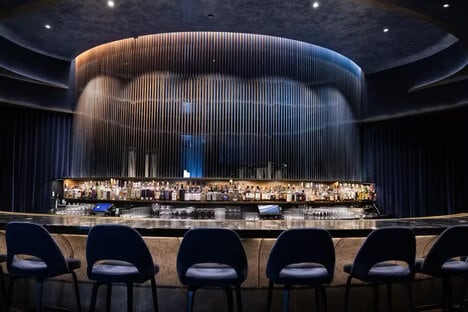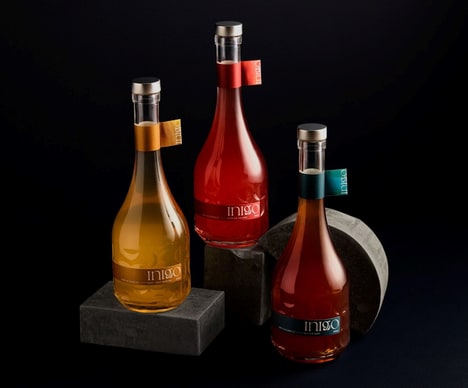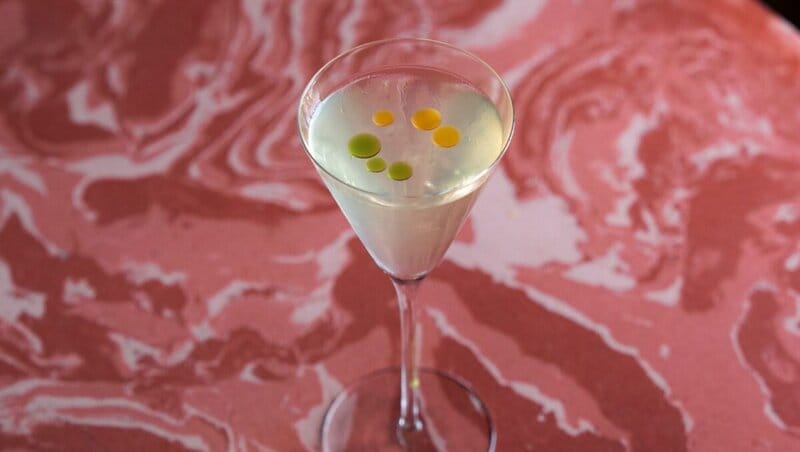
De Vie in Paris serves 'Mikan v1' as a cocktail built around French-grown mikan mandarins, offering guests a citrus drink without relying on imported fruit. The bar avoids anything grown outside France, so the recipe uses local mikans where many bars would reach for limes or lemons.
The bar turns the fruit into a liqueur, then redistills the leftover pulp, and the leaves can also feed its 'acide vert,' an acid blend used in place of lime juice. One batch includes 32.5ml of mikan liqueur and 15ml of acide vert, and freezing the mix supports service even as each run shifts with the crop.
Using only French-grown citrus turns a sourcing limit into a bar identity, giving De Vie a distinct pitch for guests who care about seasonality and waste. The batch-by-batch format also moves cocktail menus toward smaller, produce-led runs that change as local supply does.
Image Credit: Millie Tang
What Makes This Trend Stand Out
- Local-citrus Mixology
- Bars centered on regionally grown citrus can differentiate menus while reducing dependence on imported limes and lemons.
- Whole-fruit Cocktailing
- Turning pulp, leaves, and juice into layered cocktail components creates new value from agricultural byproducts and minimizes waste.
- Seasonal Batch Menus
- Small-run cocktails tied to crop variability introduce flexible beverage programs that make limited availability part of the guest experience.
Sectors Adopting This
- Hospitality
- Hotels, bars, and restaurants gain new positioning potential through hyperlocal drink programs built around regional produce.
- Alcoholic Beverages
- Liqueur, spirits, and cocktail brands can explore locally sourced botanical profiles that challenge standardized citrus flavor conventions.
- Sustainable Agriculture
- Specialty growers benefit from demand for unconventional citrus varieties and secondary plant materials used in premium beverage applications.