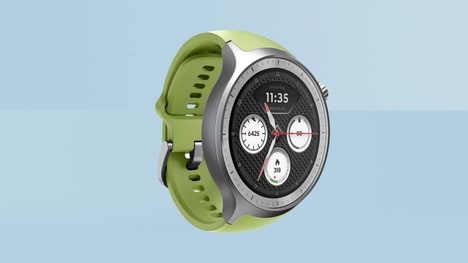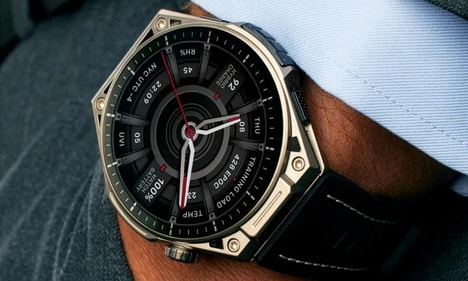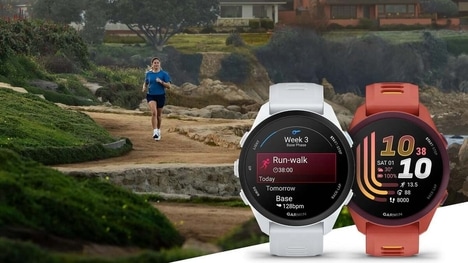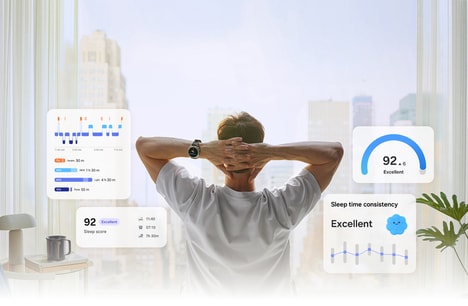
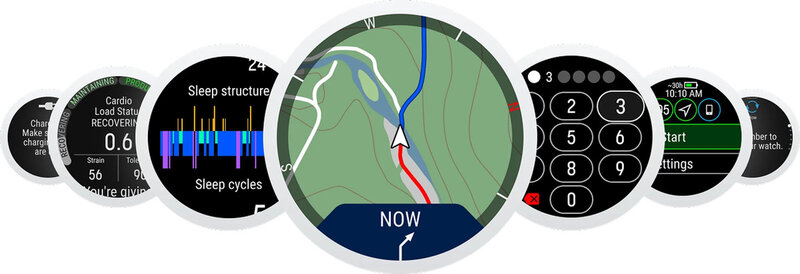
Polar is expanding smartwatch personalization with Polar OS 6, a software update that gives users greater control over everyday functions and fitness information. The release introduces a customizable button that can be assigned to preferred actions, alongside configurable graphs and trends for viewing health and training data. Users can also personalize sport settings directly on the watch, choose from new watch faces, adjust menu layouts, and activate an optional battery charge limit designed to support long-term battery health.
The update allows Polar to add meaningful functionality to existing compatible hardware without requiring customers to purchase a new wearable. Greater customization can make its watches relevant across different sports, routines, and user preferences while strengthening long-term engagement with the Polar ecosystem. Regular software improvements can also support customer retention and differentiate Polar through an evolving ownership experience.
Image Credit: Polar
What's Driving This Trend
- Adaptive Wearable Interfaces
- Personalized controls, layouts, and data views create room for smartwatch platforms that feel tailored to each athlete’s habits, routines, and performance priorities.
- Software-extended Device Lifecycles
- Feature-rich updates for existing hardware point to a shift where wearables gain value over time instead of relying on frequent replacement cycles.
- Personalized Training Dashboards
- Configurable graphs and sport-specific views enable more relevant fitness insights, opening space for health platforms that translate data into individualized performance context.
Who This Affects Most
- Wearable Technology
- Smartwatch makers can differentiate through flexible operating systems that adapt to user preferences and sustain engagement beyond the initial device purchase.
- Fitness Technology
- Training platforms benefit from customizable metrics and sport settings that support more precise coaching experiences across varied athletic disciplines.
- Consumer Electronics
- Battery-health tools and ongoing software enhancements signal new value models centered on durability, retention, and evolving ownership experiences.