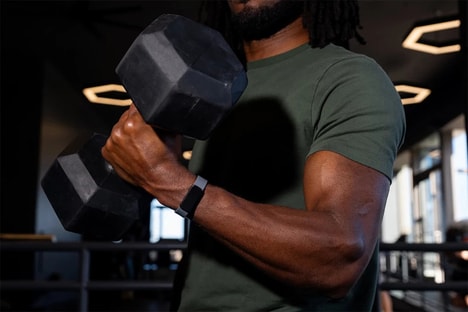
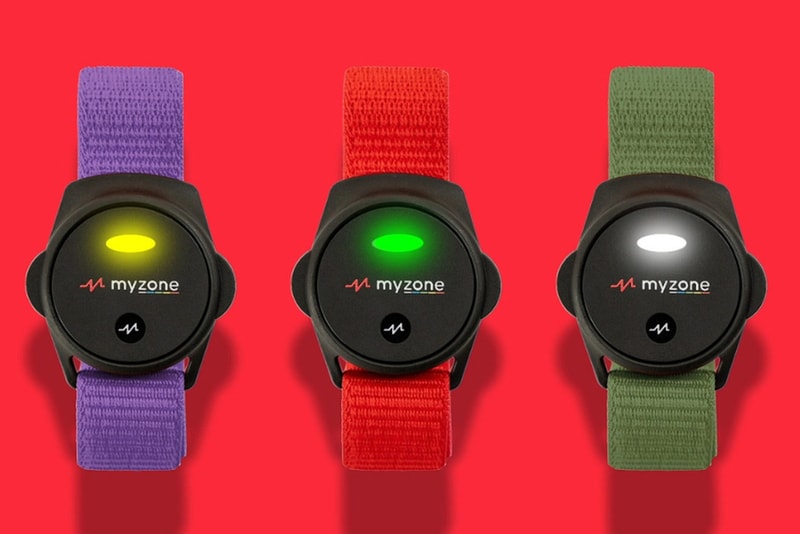
Myzone has announced three major additions to its Motivation Technology ecosystem at the HFA Show in San Diego. The first is Strength Tracking, which recognizes and rewards effort points from resistance workouts rather than only cardio. The second is a direct integration with Garmin smartwatches that allows users to sync their workouts into the Myzone system without needing a separate heart rate belt. The final and third innovation is called Switch 2.0, and it is positioned as a wearable device that can be worn on the chest, arm, or wrist with improved comfort and accuracy.
With Strength Tracking, someone who primarily uses free weights or machines can finally see their hard work quantified alongside the cardio-focused metrics. The Garmin integration, on the other hand, removes a barrier for the millions of people who already own that brand’s smartwatch, allowing them to join Myzone’s gamified community and compete on effort points without purchasing an additional chest strap. Switch 2.0 is expected to enhance the physical experience of wearing a tracker.
Image Credit: Myzone
Why This Trend Is Growing
- Strength-based Metrics
- Strength-focused metrics quantify resistance training effort alongside cardio, supporting new competitive and personalized programming models.
- Interoperable Wearable Ecosystems
- Cross-brand integrations that sync mainstream smartwatches with proprietary platforms reduce onboarding friction and expand community data pools.
- Versatile Form-factor Trackers
- Multi-position, comfort-focused trackers that combine chest-strap accuracy with wrist convenience shift product design priorities and accessory markets.
Industries Being Reshaped
- Fitness Technology
- Convergence of strength tracking and smartwatch compatibility broadens service offerings and subscription monetization opportunities for digital fitness platforms.
- Wearable Manufacturing
- Rising demand for comfortable, multi-wearable devices drives advances in sensor miniaturization, battery efficiency, and modular hardware engineering.
- Health & Wellness Data Platforms
- Integrated effort-point and biometric datasets from diverse devices create richer inputs for personalized coaching algorithms and population-level analytics.