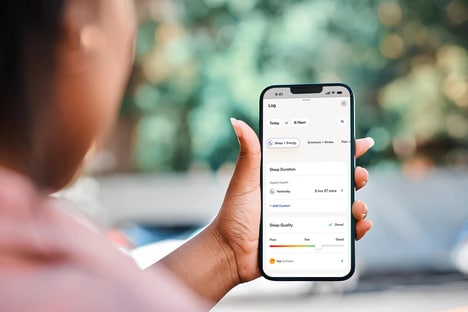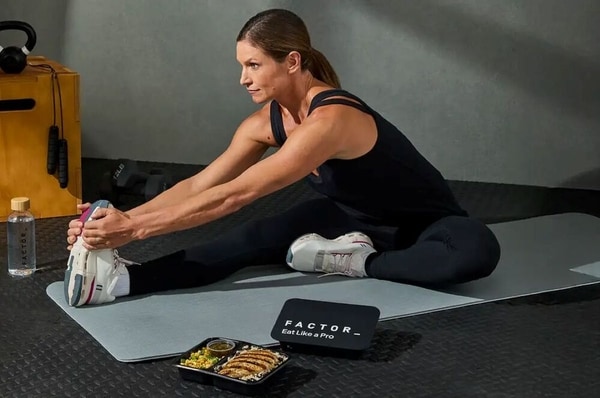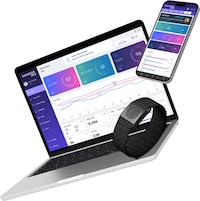

Built by ex-Tesla engineers, Fort is a screenless wearable that combines a motion and heart rate sensor and automatically detects more than 50 exercises. Unlike most health and fitness wearables optimized for runners, this device specifically appeals to active individuals invested in strength training, since Fort takes care of automatically tracking sets, reps, rest periods and more, all without manual logging.
Based on the data it collects, Fort provides feedback on how intense and productive a session was, plus it provides a per-muscle breakdown so that users are better in tune with which muscle groups got maintenance, growth, or overload. With Fort distinguishes barbell compounds from the use of cable accessories, helping strength trainers put more effort into working out and recovering than tracking what they are doing along the way.
What Makes This Trend Stand Out
- Sensor-driven Strength Tracking
- Advanced motion and biometric sensors enabling automatic detection of sets, reps, and exercise types create opportunities for more accurate, context-aware strength metrics than traditional step or cardio-focused wearables.
- Screenless Wearable Integration
- Devices that operate without displays and rely on companion apps or audio cues open pathways for low-distraction training tools that blend seamlessly into high-intensity gym environments.
- Muscle-level Analytics
- Per-muscle breakdowns and session productivity scores introduce granular insights that can redefine progressive overload planning and personalized recovery strategies.
Sectors Adopting This
- Fitness Equipment Manufacturers
- Gym machine and accessory makers are positioned to incorporate embedded sensors and data interoperability to provide exercise-specific usage metrics and adaptive resistance profiles.
- Sports Rehabilitation Clinics
- Clinical providers could leverage exercise-recognition wearables to monitor patient adherence, quantify muscular activation imbalances, and tailor phased rehabilitation programs.
- Wearable Tech Platforms
- Software ecosystems supporting wearables can expand into strength-focused analytics, offering subscription-based coaching, advanced performance visualizations, and third-party integrations.