March 2026 sports demonstrate an industry increasingly defined by verified performance standards, digitally enabled communities, inclusive innovation, and culturally attuned brand narratives. Together, these developments reflect a broader recalibration of how sport is experienced, supported, and shared.
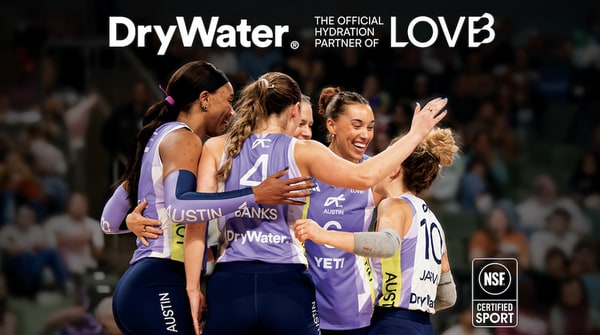
To begin with, product credibility is taking on heightened importance. DryWater’s electrolyte and vitamin powder blends have earned 'NSF Certified for Sport' designation, independently confirming compliance with strict manufacturing controls and the absence of banned substances. This milestone reinforces institutional trust among competitive athletes and signals the growing expectation for third-party validation in performance nutrition.
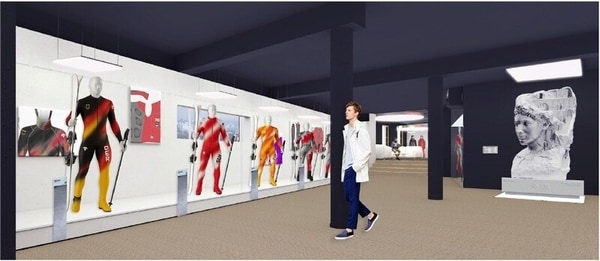
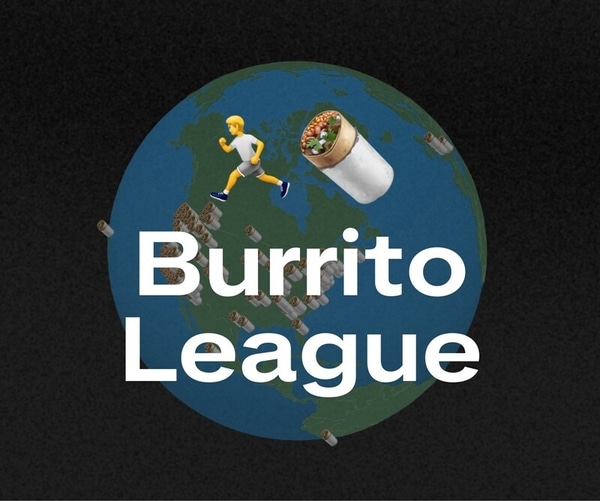
At the same time, participation is being energized through community-driven ecosystems. Strava’s endorsement of the Burrito League formalizes support for a grassroots running collective that merges digital tracking with social reward. Similarly, By Rotation’s partnership with Uber introduces rapid skiwear rentals in the U.K., blending convenience with circular consumption and addressing the logistical challenges of seasonal sport.
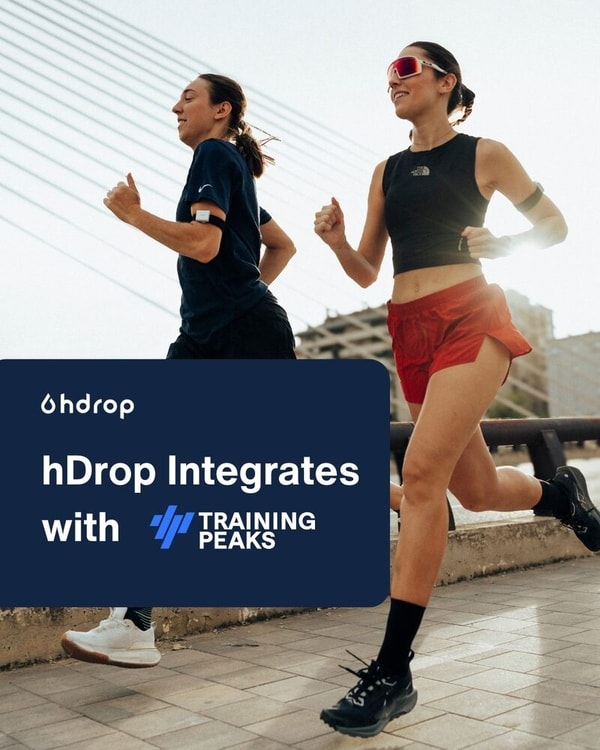
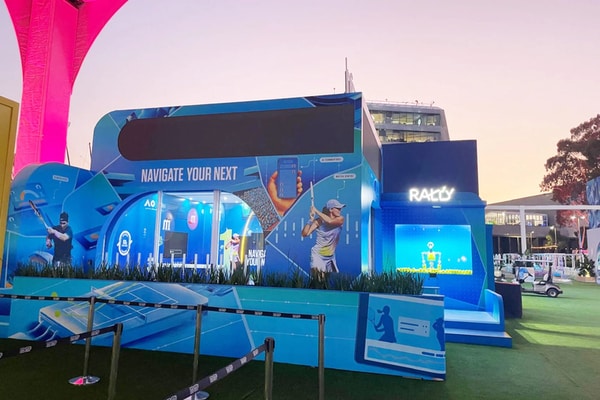
Meanwhile, data integration and artificial intelligence are reshaping both training and spectatorship. hDrop Technologies’ synchronization with TrainingPeaks embeds hydration analytics directly into athlete dashboards, while Infosys and Tennis Australia are piloting AI-powered experiences at the Australian Open 2026, including tactile match interfaces for blind and visually impaired fans.
Complementing these advancements, Dove’s 'Big Game' campaign centers confidence and body positivity for girls in sport, and adidas’ collaboration with Jamaica’s football federation integrates national heritage into performance apparel. Collectively, March 2026 underscores a sports sector advancing toward greater accountability, accessibility, and cultural resonance.
- Gen Z
- Gen Alpha
- Millennial (primary audience)
- Gen X (primary audience)