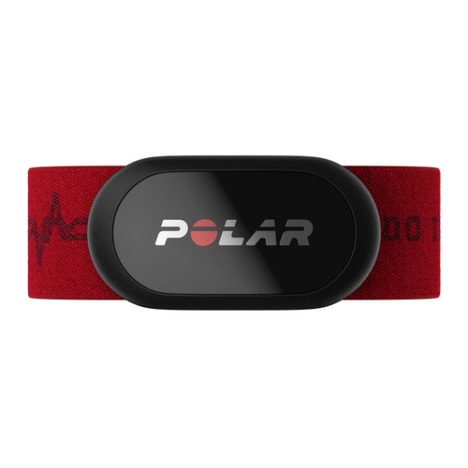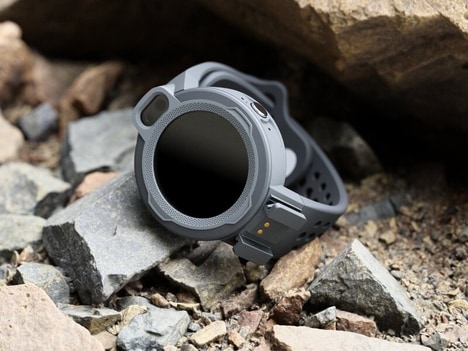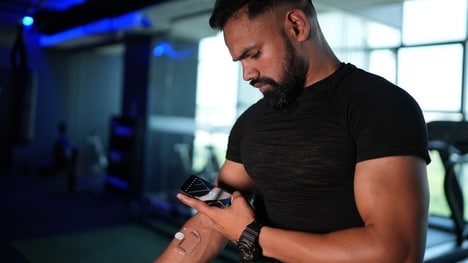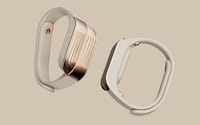
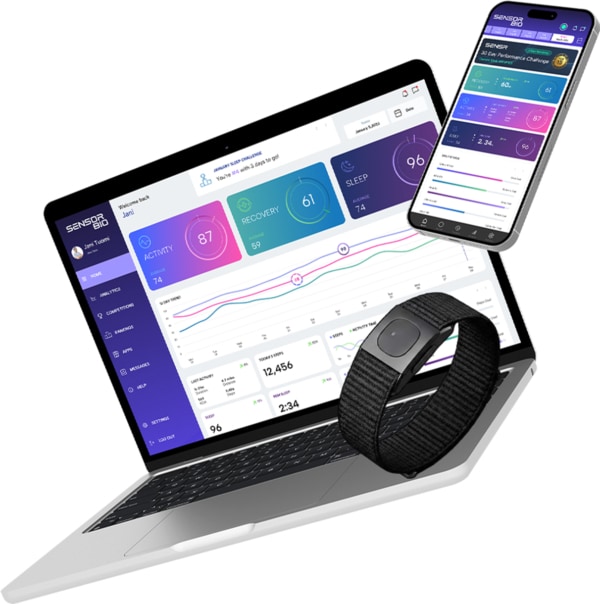
Biostrap’s Kairos platform provides a modular sensor ecosystem that pairs a clinical‑grade wearable with configurable biosensor options, cloud processing, and developer interfaces to support research and clinical monitoring.
The Kairos wearable is presented as part of a multi‑device framework that separates sensor hardware, data capture, and cloud analytics. Hardware features include a high‑sensitivity CMOS optical sensor, a three‑axis accelerometer, and battery life up to nine days, enabling continuous measurement of heart rate, interbeat intervals, heart rate variability, respiratory rate, sleep, and activity. The platform emphasizes raw data access and clinical reliability, with the Biostrap Pulse Engine used for cloud‑based filtering and processing of PPG waveforms.
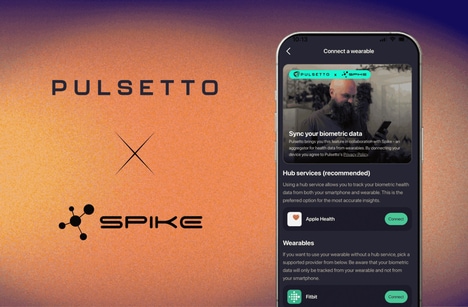
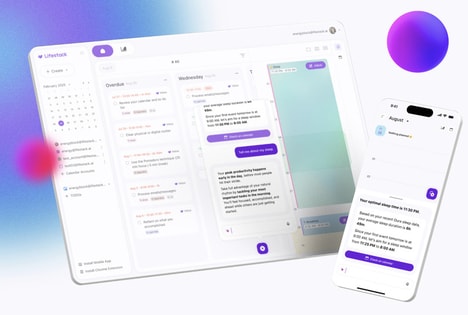
Biostrap positions Kairos for enterprise and research use by offering SDK and API access, a HIPAA‑compliant dashboard, and options to configure sensor sets to specific study or clinical needs. The ecosystem supports integration with custom mobile apps and remote monitoring workflows, and it is marketed for occupational performance, clinical research, and health optimization where configurable biosensor selection and centralized data management are required. For technical specifications, compatibility, and deployment models consult Biostrap’s product documentation.
Image Credit: Biostrap
What's Driving This Trend
- Modular Sensor Ecosystems
- The development of modular sensor ecosystems allows for flexible, tailored health monitoring solutions through customizable sensor networks and cloud-based analytics.
- Cloud Processing for Wearable Devices
- The integration of cloud processing capabilities in wearable devices enhances real-time data analysis and accessibility, offering improved clinical and research applications.
- Remote Health Monitoring Systems
- Remote health monitoring systems are being revolutionized by interoperable platforms that integrate with custom apps and support HIPAA-compliant dashboards for comprehensive patient data management.
Who This Affects Most
- Healthcare Technology
- Healthcare technology is rapidly advancing with innovations in wearable biosensors that provide clinical-grade data and support diverse medical research needs.
- Wearable and Iot Devices
- Wearable and IoT devices are transforming through modular architectures, enabling users to adapt monitoring solutions to specific lifestyle or occupational demands.
- Data Analytics and Cloud Services
- The data analytics and cloud services industry benefits from biosensor systems that require robust data processing, offering new opportunities for health data platform advancements.