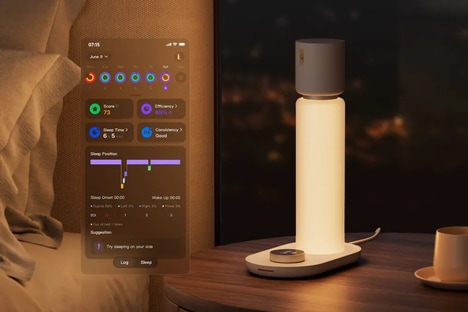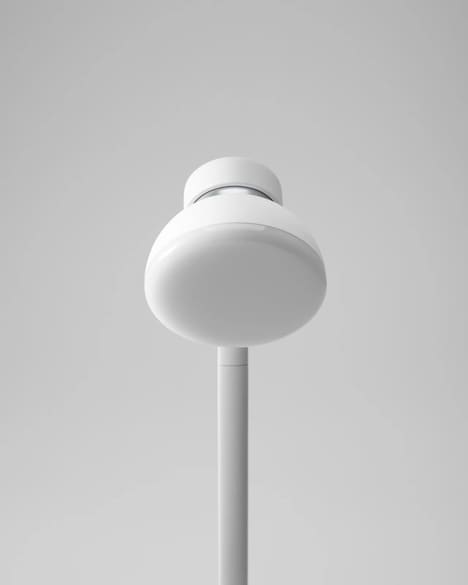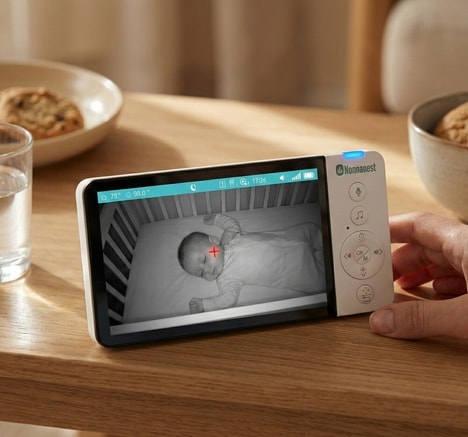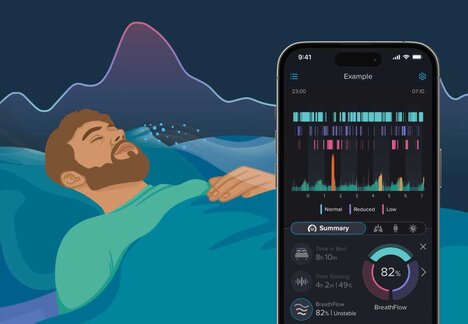

Contactless sleep monitoring devices are expanding home wellness tracking as Xandar Kardian introduces Kardian Somily, a wall-mounted sensor that measures breathing and heartbeat movements without wearable equipment. Using radar technology, the device detects subtle chest movements through bedding, providing overnight insights without cameras, microphones, or physical contact.
Somily analyzes respiratory rate variability, which reflects changes in breathing patterns, alongside heartbeat consistency and sleep activity. Its XKare app compares nightly measurements with previous recordings to highlight changes in personal wellness patterns. The technology builds on Xandar Kardian's clinical monitoring experience involving more than 49,000 individuals, although Somily itself is intended for general wellness rather than medical diagnosis.
For Xandar Kardian, the $299 device creates opportunities to enter the consumer wellness market. Its wearable-free design may appeal to older adults and individuals seeking convenient, continuous sleep monitoring.
Image Credit: Xandar Kardian
What's Driving This Trend
- Contactless Wellness Tracking
- Radar-based sensing expands passive health visibility by removing wearables, cameras, and microphones from nightly monitoring routines.
- Ambient Sleep Intelligence
- Wall-mounted devices that interpret breathing, heartbeat, and movement patterns create new pathways for personalized sleep insights in the home.
- Privacy-first Health Sensors
- Non-visual and non-audio monitoring formats support wellness data collection while addressing consumer concerns around intrusive in-home technology.
Who This Affects Most
- Consumer Wellness
- Home-focused vital sign tracking introduces subscription, app, and device ecosystems built around everyday preventative wellness habits.
- Aging-in-place Technology
- Passive overnight monitoring offers seniors and caregivers a less intrusive layer of reassurance without requiring consistent device wear.
- Digital Health Devices
- Clinically influenced sensor platforms entering consumer markets blur the line between wellness products and remote health monitoring infrastructure.