
Category
Art & Design
Oven Aesthetics
Architectural styles shift to support the rise of a share-friendly culture.
Trend
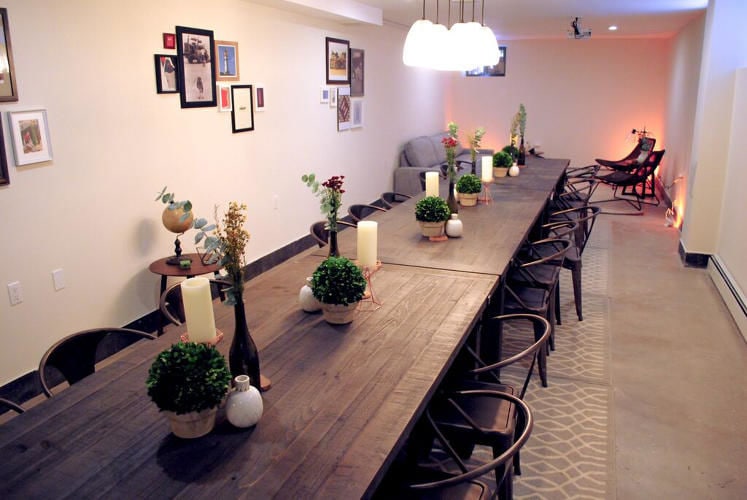
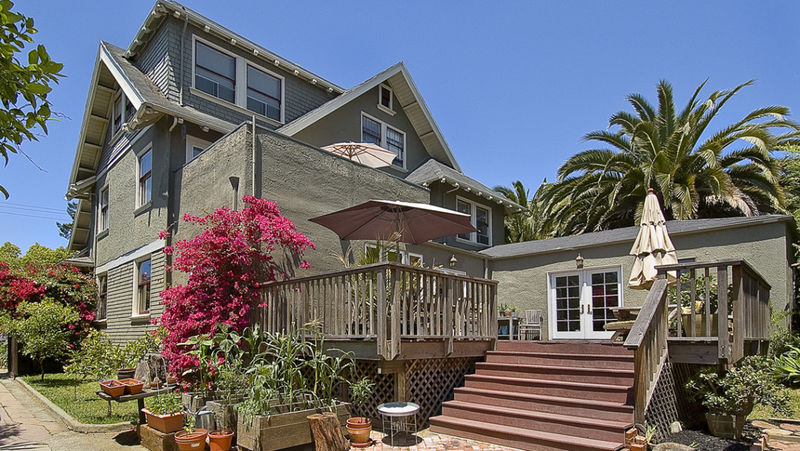
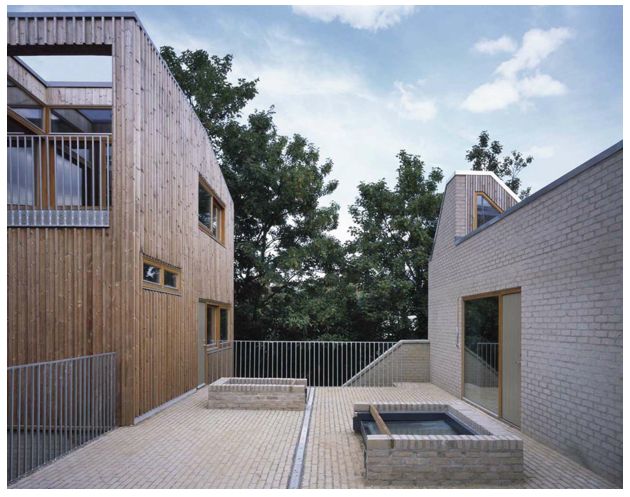
Communal Architecture: As consumers come to prefer sharing culture rather than ownership for large items like vehicles, that same mentality is shifting towards home ownership. Instead of purchasing a private dwelling, the shift towards owning a partially shared space is supporting a preference for communal living and enforced social interaction.
Trend themes
The preference for communal and co-shared spaces reflects a shift towards social interaction and connection over individual ownership.
Young professionals are seeking affordable and flexible co-living spaces that offer a sense of community and social connection.
A trend towards pared down, minimalist design in communal workspaces and co-living spaces is gaining popularity as people seek a space that promotes productivity.
Industry implications
Real estate professionals can explore the opportunities in creating affordable co-sharing living spaces in urban environments for young professionals.
Interior designers can look into designing co-living spaces that are functional, minimalist and promote social interaction among residents.
Architects can develop ingenious designs of co-living spaces, urban communal living areas, and workspaces that foster social bonding and promote productivity.
Trend signals
Trend score 3.6 out of 10, from popularity 43%, activity 57%, freshness 8%.
Evidence
The 'Common' Start-Up Opens Its First Communal Home in High-Priced NYC
The real estate industry can explore disruptive innovation opportunities by capitalizing on the growing demand for affordable co-living and luxurious communal living spaces.
Open Door Offers Co-Living Spaces for People to Live as a "Family"
The real estate industry can leverage the trend of communal living houses by developing scalable and sustainable housing models for people who want to experience the benefits of c…
This Communal Cohousing Development is the First in London, England
Disruptive innovation opportunity: Develop alternative residential design strategies that promote shared resources and social cohesion.
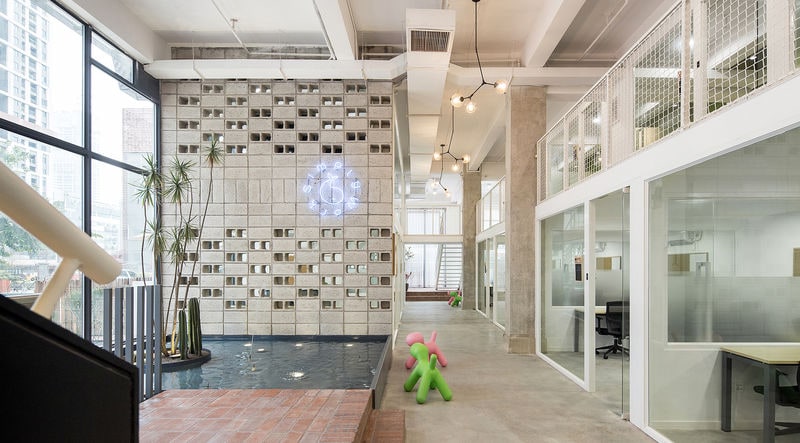
SimplyWork 3.0 Features Unique Designs from Raw Materials
Innovating co-working spaces by adopting minimalist design principles and incorporating raw materials to provide an environment conducive to productivity and collaboration.
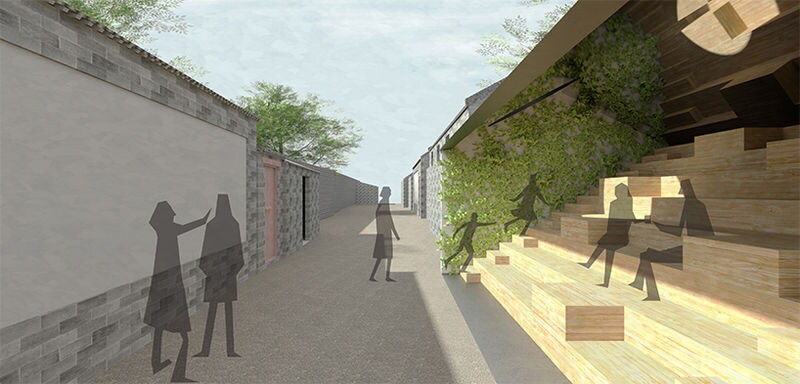
C+ Architects' 'Stair Pavilion' Aims to Facilitate a Stronger Community
The architecture industry can benefit from exploring alternative design concepts that encourage social interaction and bring communities together, such as multi-level structures w…
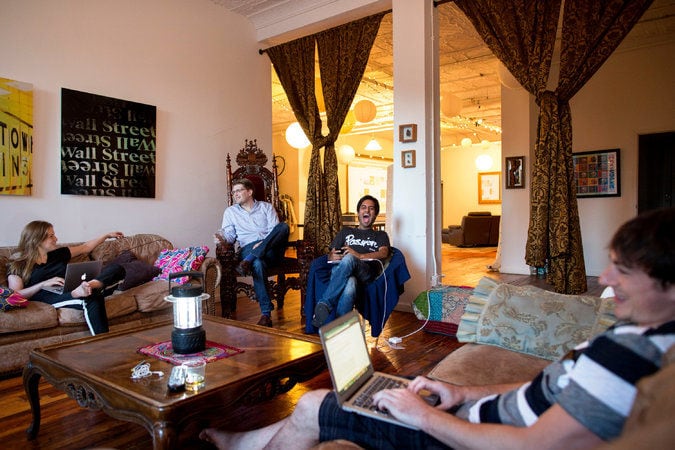
Pure House is a Haven for Young Millennials in New York City to Live
Shared millennial houses like Pure House are disrupting the traditional real estate industry by offering curated living experiences and flexible rental options for young adults.