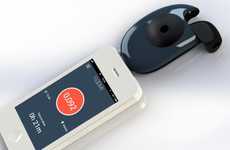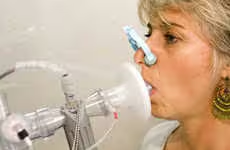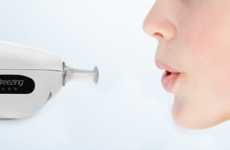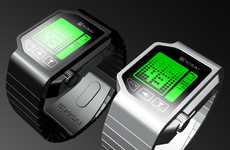
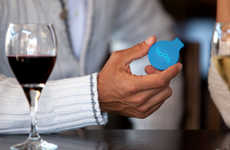
Breathalyzers receive modern, digital updates for tech-savvy consumers
Implications - Although breathalyzers were first introduced in the 1960s, the established breath sampling system is receiving a modern makeover with high end, technological updates. Smart handheld systems have the potential to revamp time-honored products and services in a way that makes brands more appealing to young, connected consumers.
Workshop Question - What is the oldest technology your company utilizes, and how could it be updated?
Trend Themes
-
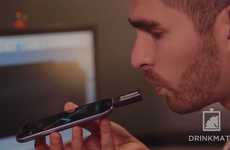
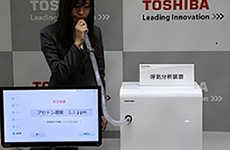
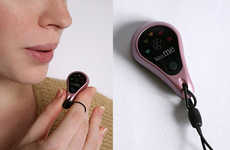
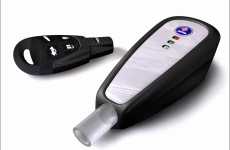
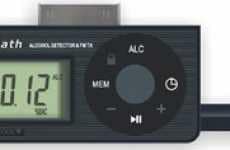
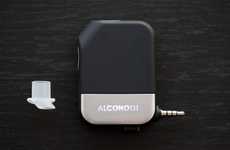
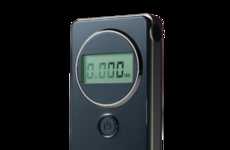
Smart Breathalyzers — The trend of smart and portable breathalyzers are disrupting the traditional breath sampling system, making it appealing to young, connected consumers in the market.
-
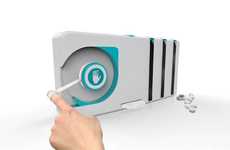
Calibration-free Breathalyzers — Breathalyzers with easily replaceable sensor cartridges are being introduced, eliminating the need to calibrate the device every few months.
-
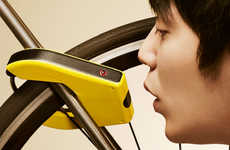
Breathalyzers for Safety — Breathalyzers are being integrated with devices such as bike locks, which prevent people from riding intoxicated and make it easier to arrange pickup for drunken friends or family.
Industry Implications
-
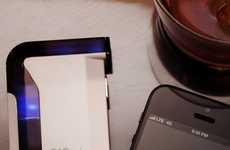
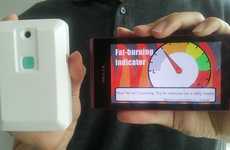
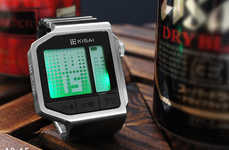
Consumer Electronics — This industry can meet the demand of smart gadgets, from wearable smart breathalyzers to smartphone breathalyzers, as the technology is being developed and introduced to the market.
-
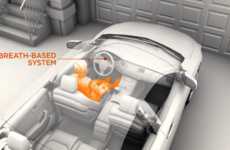
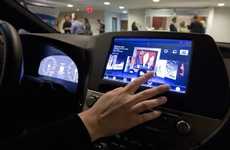
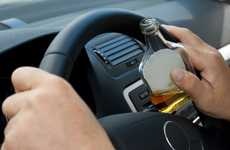
Automotive — Breathalyzers are disrupting the conventional drunk driving tests which further expand opportunities for breathalyzers to be used in automobiles.
-
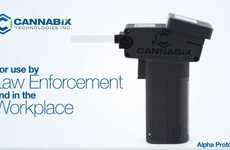
Public Safety — As the breathalyzers continue to improve and diversify, the systems could be integrated into public services (i.e. workplace and police stations), improving accuracy and convenience.