Category
Art & Design
Polished Footprints
Consumers take a DIY approach to scents for customized allure.
What's Happening
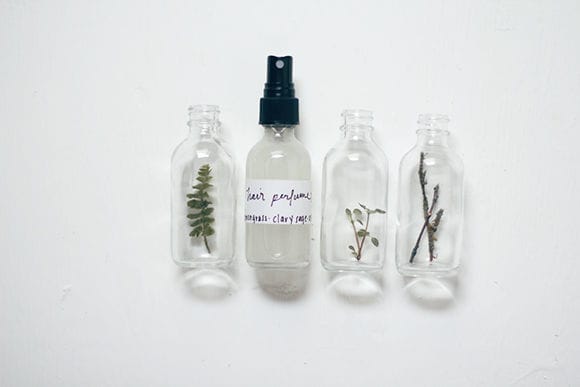
Maker Culture Fragrance: Seeking a personalized touch to traditional fragrances, consumers are turning to DIY techniques for experiential allure. Using kits and homemade dispensers to mix-and-match scents, consumers are seeking to not only monitor what goes into their products, but also customize those items in a way that's tailored to their individual taste.
Evidence
This DIY Fall Hair Perfume Helps Your Strands Stay Smelling Fresh All Season
Disruptive innovation can be pursued in the beauty products industry by creating DIY hair perfume kits for consumers.
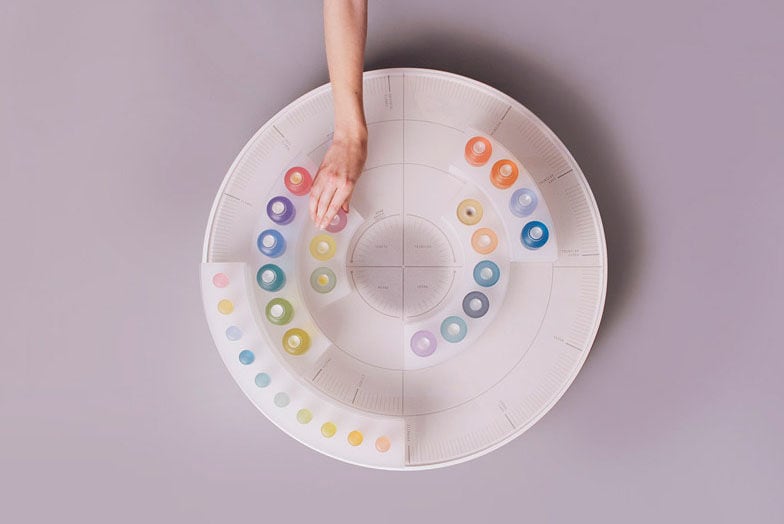
This Kit Allows Customers to Mix Their Own Customized Fragrances
The beauty and personal care industry can capitalize on the trend by offering fragrance blending services and customizable scent products.
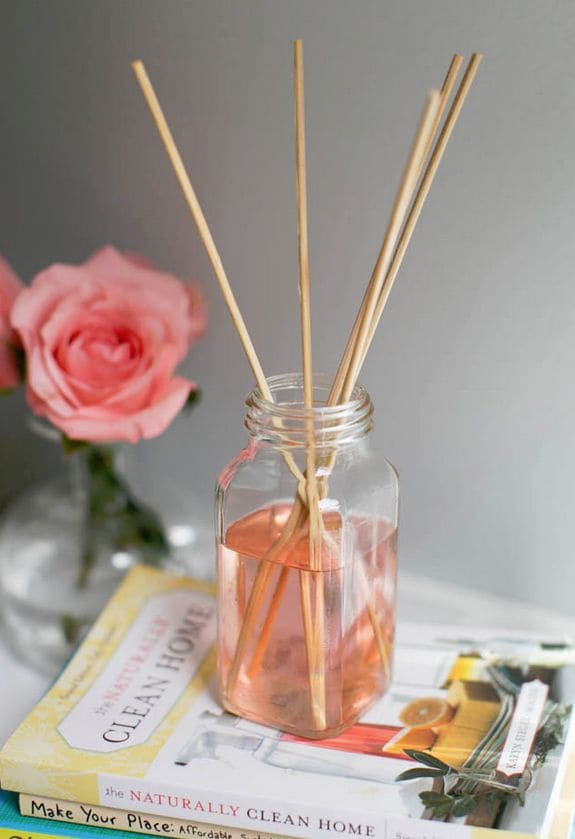
All Elements of Hello Natural's DIY Diffuser Are Upcycled
Home fragrance companies can develop reusable and sustainable options for consumers, such as creating kits with upcycled materials
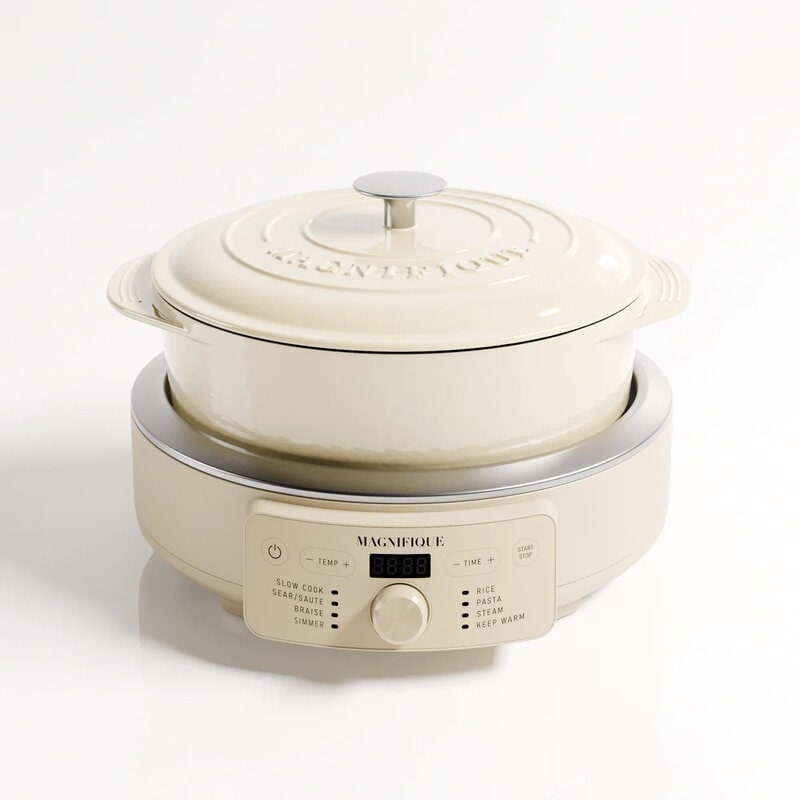
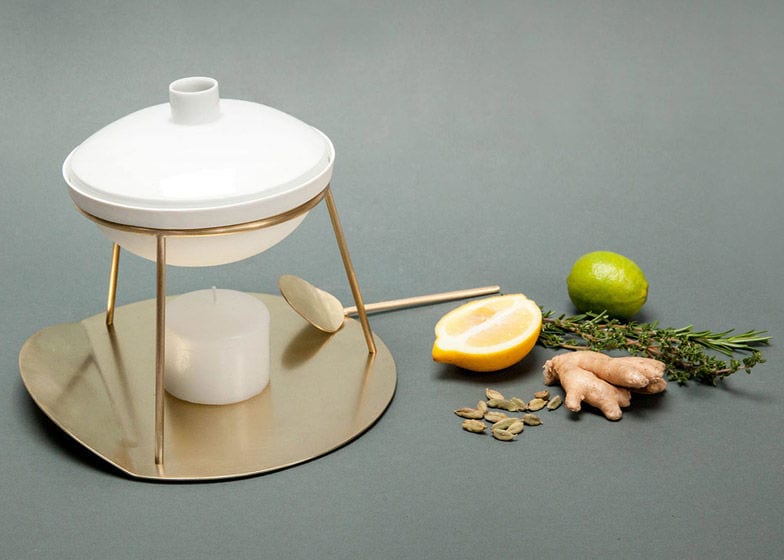
This Moroccan-Inspired Pot Lets Users Cook & Create Their Own Aromas
The home fragrance industry can tap into the trend of homemade fragrance dispensers by offering a range of organic ingredients, DIY kits, and innovative devices that enhance the s…
Workshop question
How can you grant your customer more control over your brand or product?
Trend themes
Consumers are seeking personalized scents through DIY techniques, using kits and homemade dispensers.
Sustainability and eco-friendly products are gaining popularity in the fragrance industry.
Designers are creating tools and kits that allow customers to create their own customized fragrances.
Industry implications
Incorporating DIY and customizable fragrances into beauty and personal care products can appeal to those who seek unique and eco-friendly products.
Offering DIY fragrance kits and environmentally friendly options can attract customers to home goods products.
The trend towards customizable and eco-friendly fragrances provides opportunities for designers and innovators to create new tools and methods for fragrance creation.
Trend signals
Trend score 5.2 out of 10, from popularity 77%, activity 70%, freshness 8%.