



Category
Lifestyle
Assisted Choices
Unusual features are added to grocery shopping to incite consumer intrigue.
Trend
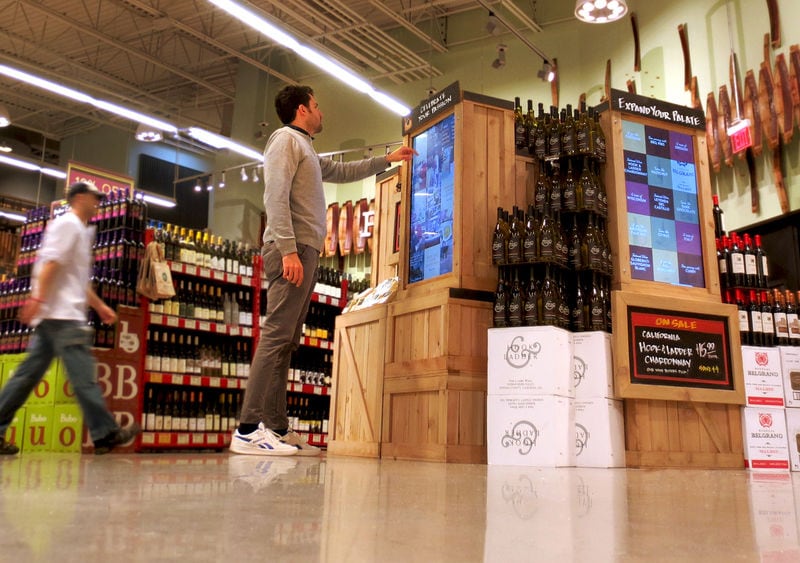
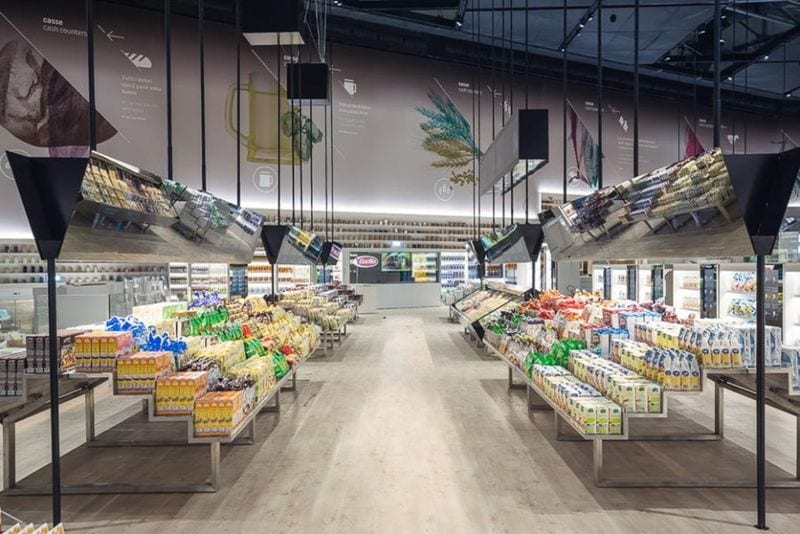
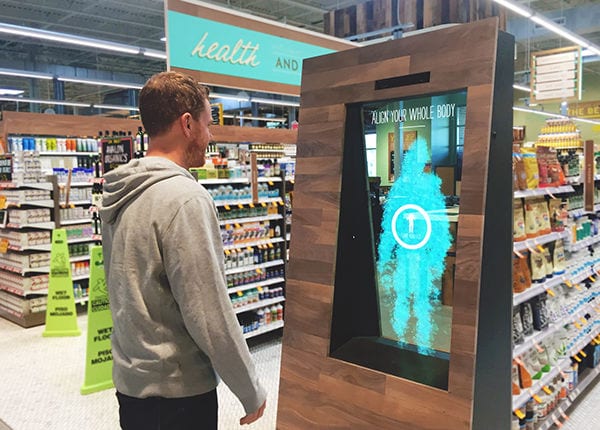
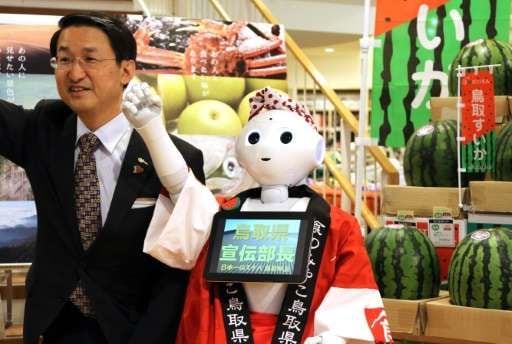
Shopping Excess: Moving away from mere convenience, products designed to also surprise and delight consumers add an element of fun to the shopping experience. Offering shoppers everything from robots to interactive tables, this approach to consumer experience not only caters to unique consumer needs, but does so in a way that evokes consumer excitement.
Trend themes
Retailers can use interactive displays to make shopping more engaging and educational.
The use of friendly retail robots in grocery stores can improve customer experience and assist in making purchase decisions.
Retailers can improve customer experience by creating tech-savvy stores that utilize social media, digital signage, and interactive kiosks.
Industry implications
Retailers can utilize these trends to create shopping experiences that are more engaging, educational, and personalized.
These trends highlight the increasing role of technology in retail, and the potential for further innovation in this space.
The use of interactive displays and friendly robots in retail has the potential to improve customer experiences in other hospitality industries, such as restaurants and hotels.
Workshop question
Trend signals
Trend score 6.1 out of 10, from popularity 89%, activity 85%, freshness 8%.
Evidence
Whole Foods' Store of the Future is Both Sensory and Tech-Savvy
The retail industry can leverage interactive technology, digital signage, and social media integration to enhance the shopping experience and encourage customer engagement.
Carlo Ratti Associati Imagines the Future of Supermarkets as Digital
Supermarkets will adopt technology to enhance the in-store shopping experience.
Whole Foods' Interactive Store Display Helps Make Purchase Decisions
Disruptive innovation opportunity for retailers to integrate interactive displays and personalized shopping assistance to enhance the customer experience and increase sales.
Pepper the Robot Suggests Wine Pairings and Interacts with Shoppers
Introducing friendly retail robots like Pepper can revolutionize the shopping experience, offering personalized recommendations, improved customer engagement, and increased operat…






