



Category
Lifestyle
Assisted Choices
Traditional insect repellent concepts receive modern, digitized updates.

Trend
Insecticide Automation: Traditional approaches to insect repelling delivered through sprays are being reinterpreted with modern updates that are digitizing this sector. In addition to making this sphere all the more sophisticated, this embrace of technology also allows brands to sync products and services with the demands of connected consumers.
Trend themes
The use of modern technology to digitize traditional approaches to insect repelling has made the sector more sophisticated and responsive to consumer needs, such as the use of LED lights and IoT devices.
Convenient, portable gadgets that protect people from bugs without the need to coat oneself in spray are becoming more popular, such as insect-repelling keychains and mist-emitting devices.
The application of the lotus leaf's natural water-repelling features to reduce drag and improve fuel consumption of aircraft wings, as well as the use of machine vision and robotics inspired by natural insect-catching abilities, illustrates the impact of biomimicry in tech innovations.
Industry implications
Digitized insect control devices, such as smart mosquito traps, appeal to the growing demand for IoT products that rely on advanced sensors and artificial intelligence for more dynamic and responsive living spaces.
Portable insect-repelling devices, including keychains and wearable gadgets, cater to the increasing demand for convenient, on-the-go solutions for outdoor enthusiasts who want to enjoy nature without the hassle of bug bites and sprays.
The use of biomimicry and advanced aerodynamics to improve aircraft wing coatings for reduced drag and fuel efficiency could have significant implications for the aerospace industry, particularly in the development of more eco-friendly and cost-effective air travel.
Workshop question
Trend signals
Trend score 1.8 out of 10, from popularity 21%, activity 26%, freshness 8%.
Evidence
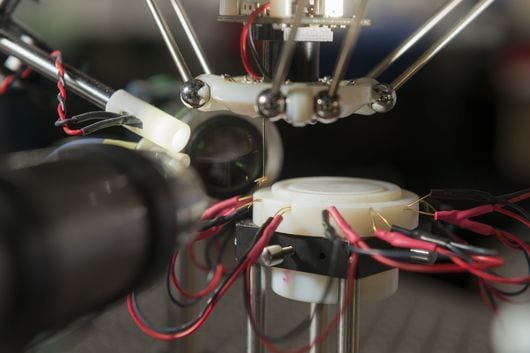
This Robot Uses Machine Vision to Catch Fruit Flies
The development of automated robotics is revolutionizing the biotech industry by improving workflow efficiency, reducing errors and enhancing accuracy of biological research.
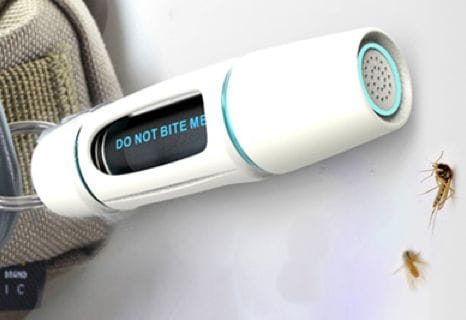
Portable Insect Repellent Device Drives Mosquitos Away
The outdoor recreation industry could benefit from the creation of portable and convenient insect repellent devices that appeal to hikers and campers.
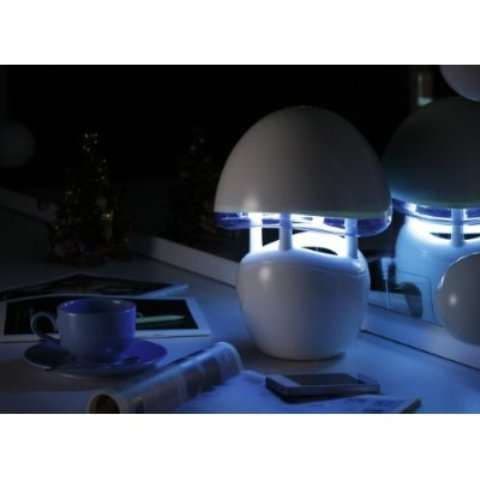
Mosquito in a Trap Keeps Those Pesky Bugs Away From You
Creating advanced trapping technologies is a disruptive innovation opportunity within the insect pest control industry.
This Aircraft Wing Will Help Repel Bugs and Reduce Fuel Consumption
Opportunity for aerospace companies to incorporate bug-repelling coatings into their aircraft designs, potentially reducing fuel consumption and increasing efficiency.






