
Category
Lifestyle
Baseline Support
A desire to connect with consumers has brands targeting different senses.


What's Happening
Multisensory Marketing: Seeking to interact with consumers on a deeper level, brands are turning to campaigns that target different senses. Integrating features like touch and smell into their advertisements, brands are using dynamic campaigns to encourage user participation, reflecting a desire for marketing tactics that go above and beyond aesthetic interest.
Evidence
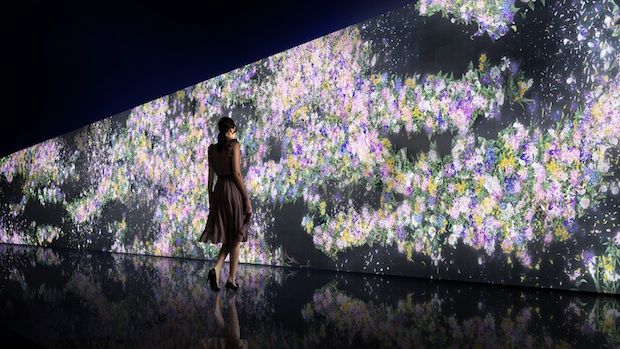
Gucci's Infinity of Flowers Lets Shoppers Interact with Digital Petals
Disruptive innovation opportunity: Incorporate interactive digital displays and immersive retail environments to transform the traditional shopping experience.
Hiut Denim Co.'s Interactive Shop Window Encourages People to Touch
The fashion retail industry can leverage interactive shop windows and touch-activated advertising to create a more captivating and personalized shopping experience.
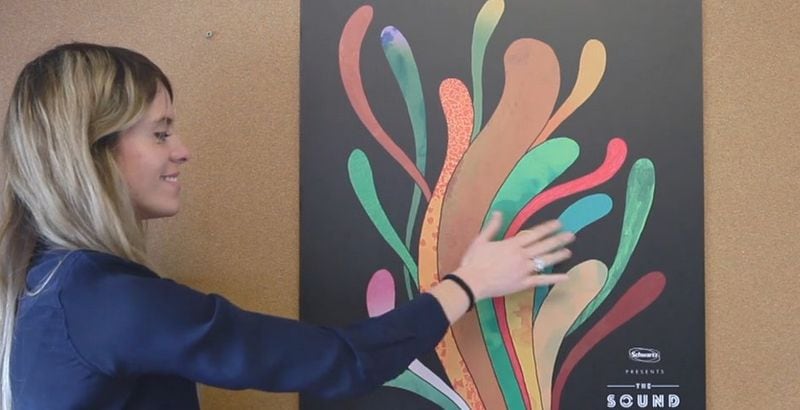
The Sound of Taste Reacts to a Person's Touch
Opportunity for graphic designers to explore new ways of incorporating interactive elements in their designs.
Castello's Pop-Up Cheese Tasting Appeals to Multiple Senses
Opportunity to create unique and interactive pop-up museum experiences in unconventional venues, attracting new clients and expanding offerings.
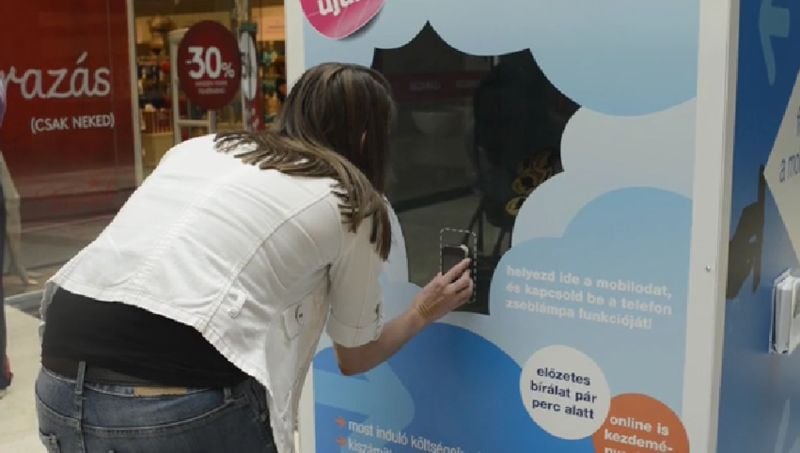
K&H's Interactive Mobile Ad Stages a Phone-Activated Shadow Play
Using interactive mobile ads to promote banking services and streamline the loan application process.
Trend signals
Trend score 4.2 out of 10, from popularity 77%, activity 42%, freshness 8%.
Trend themes
Brands are leveraging different senses to create dynamic advertising campaigns that encourage user participation and deeper connections with consumers.
Interactive elements in advertising are becoming more popular, allowing consumers to become active participants in ads rather than passive observers.
Brands are using new technologies, such as conductive ink and interactive digital walls, to create innovative ad experiences.
Industry implications
Marketing and advertising professionals can leverage multisensory, interactive, and tech-enabled trends to create more engaging and innovative ad campaigns.
Retailers can incorporate interactive elements into their store layouts and product displays to create a more immersive and memorable shopping experience for consumers.
Creative and design professionals can explore new design possibilities for multisensory and tech-enabled experiences in advertising, installations, and products.