
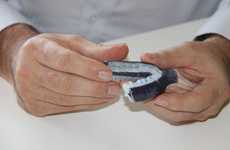
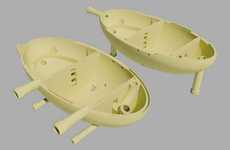
Seeking customization and accessibility, consumers digitize health products
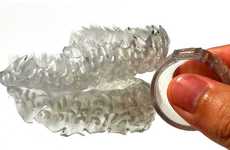
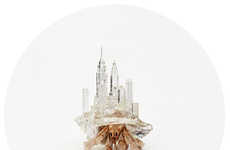
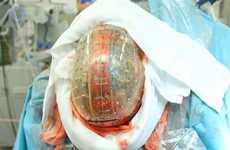
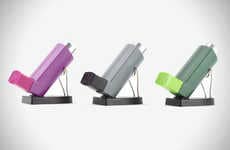
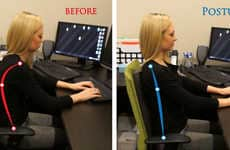
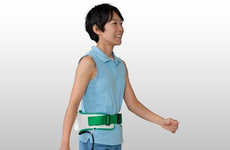
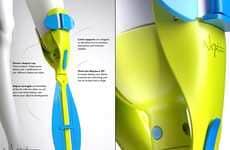
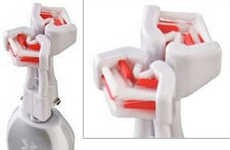
Implications - Seeking a more customized form of aid, consumers are turning to 3D-printed products for precise health needs. Offering quick and personalized health products combines the accessibility of modern technology with a developing need for more individually catered healthcare techniques. This speaks to great potential for healthcare in both first and developing worlds.
Trend Themes
-
3d-printing Custom Health Products — Consumers are seeking customized health products through 3D-printing for more individually catered healthcare techniques.
-
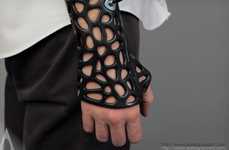
3d-printing Medical Devices and Prostheses — There is great potential for 3D-printing to offer personalized, affordable, and accessible medical devices and prostheses.
-
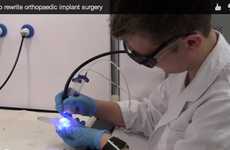
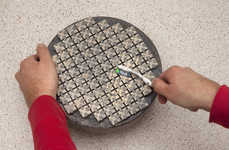
3d-printing in Medical Research — Researchers are using 3D-printing to create realistic models and structures, opening up new possibilities in medical research.
Industry Implications
-
Healthcare — The healthcare industry has an opportunity to further explore 3D-printing technology to provide more personalized and accessible medical solutions.
-
Medical Device Manufacturing — Incorporating 3D-printing technology into medical device manufacturing can lead to more customized and durable products.
-
Biotech Research — The biotech industry can benefit from researching how 3D-printing can be used to create models and structures to advance their research and development efforts.