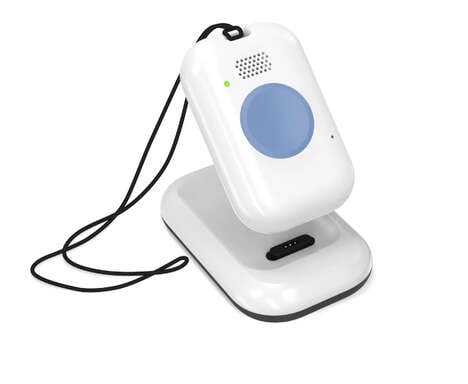
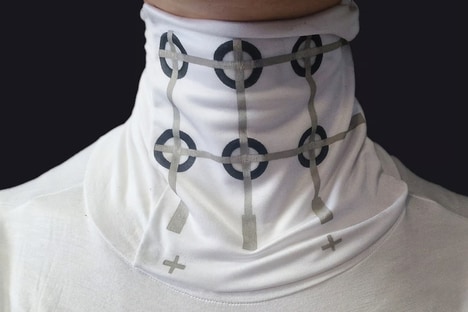
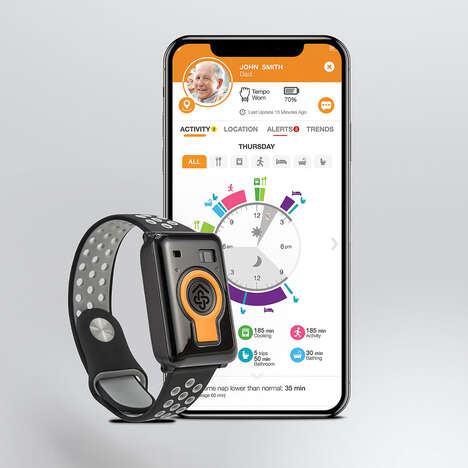
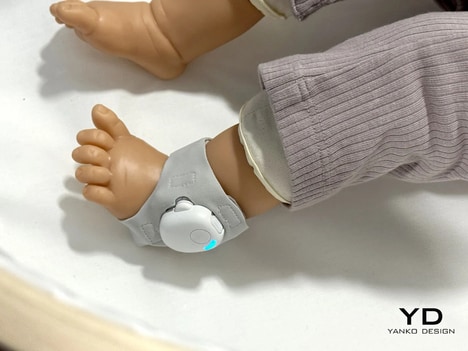
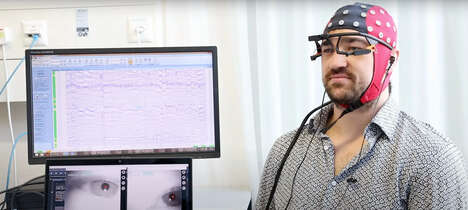
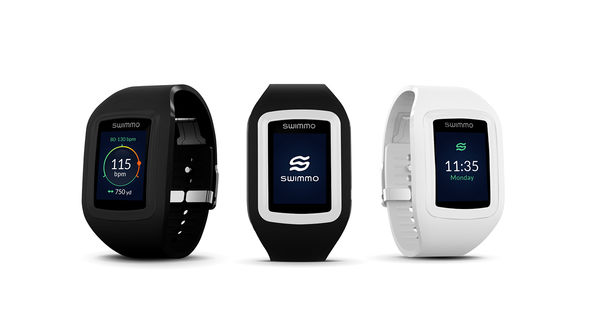
The RTI International Seizure Detector is the next step in the evolution chain of wearable devices. Instead of addressing health and fitness needs solely, it is slowly entering medical scenarios. In this case, parents and guardians will be able to keep track of their epileptic children when they have a seizure. Essentially, the device sends a text message to a pre-designated caregiver when an episode takes place.
A thin harness that straps around children's chests, the RTI International Seizure Detector is able to evaluate respiration, heart rate and body orientation in order to determine whether a seizure is taking place. It is the brainchild of Barbara Kroner, whose 14 year old daughter, Ellie, suffers from Aicardi syndrome.
What's Driving This Trend
- Medical Wearable Devices
- Opportunity for developing wearable devices that cater to specific medical needs such as epilepsy.
- Remote Monitoring
- Development of devices that send alerts to caregivers during medical emergencies creates opportunities for remote monitoring and improved patient care.
- Sensor Technology
- Advancements in sensor technology enables creation of harnessed devices for monitoring and evaluating human health.
Who This Affects Most
- Healthcare
- Development of wearable devices that cater to specific medical needs such as epilepsy presents opportunities for healthcare industry to improve patient care.
- Technology
- The development of wearable tech presents opportunities for the tech industry to create more innovative ways of improving health and wellness.
- Childcare
- Innovation opportunities exist within the childcare industry through development of wearable devices that enhance child safety and well-being.