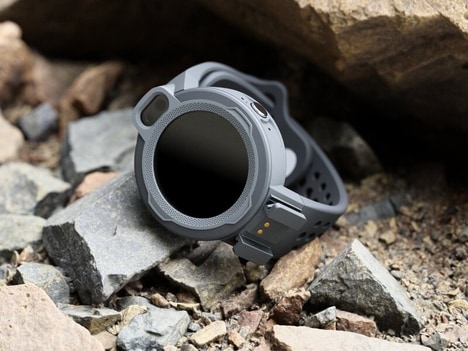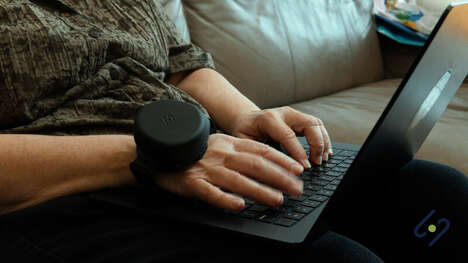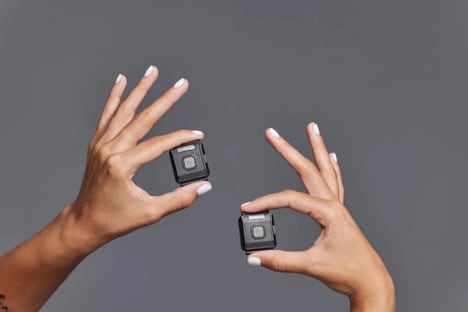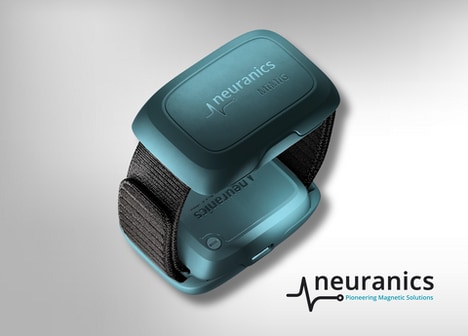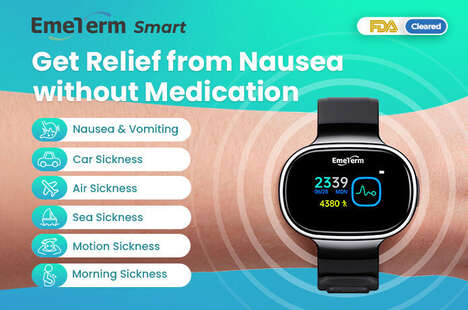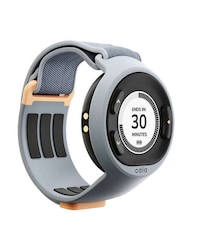
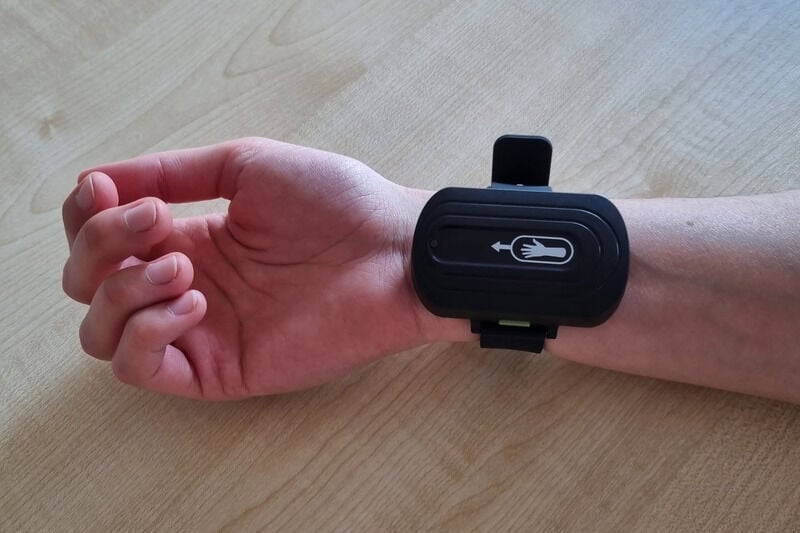
Neurotherapeutics Ltd., a company spun out off research initially conducted over at the University of Nottingham in the U.K., has created a high-tech wrist wearable that is designed to assist people with Tourette's syndrome by helping to reduce the severity of involuntary tics that the condition causes.
Tourette's is known to cause physical and verbal tics that can occur several times a day, disrupting the quality of life of afflicted individuals. This wrist wearable helps curb the issue by using mild electrical pulses to the median nerve in the wrist, with the outcome being that the intensity as well as frequency of tics is reduced.
The 'Neupulse' wearable is projected to be available on the market by 2026, with clinical trials showcasing promising results.
Image Credit: University of Nottingham
Why This Trend Is Growing
- Neurostimulation Wearables
- The development of wearables that use neurostimulation to address medical conditions such as Tourette's syndrome and other neurological disorders is a potential disruptive innovation opportunity.
- Medical Wearables
- Wearable technology that is designed specifically for medical applications and treatments is a growing trend for individuals with specific needs such as Tourette's syndrome.
- Healthcare Wearable Devices
- Developments in wearable devices that cater to specific healthcare needs, such as the reduction of tics in individuals with Tourette's syndrome, represent a potential disruptive innovation opportunity in healthcare technology.
Industries Being Reshaped
- Healthcare
- The development and use of wearables in the healthcare industry has the potential to revolutionize the way medical conditions are treated and managed.
- Neurology
- Neurological conditions such as Tourette's syndrome can potentially be treated using wearable devices that stimulate nerves and reduce involuntary tics experienced by patients.
- Medical Technology
- The development of medical wearable technology is an emerging industry that has the potential to disrupt the existing healthcare technology landscape, with applications ranging from sleep disorders to neurological disorders such as Tourette's syndrome.