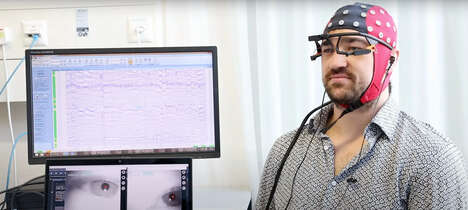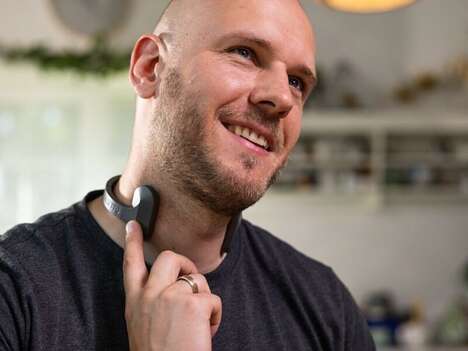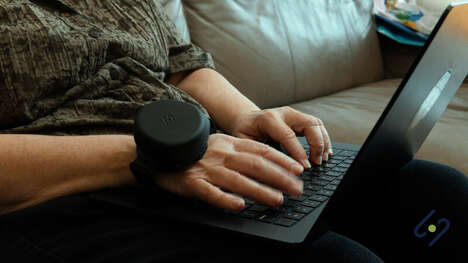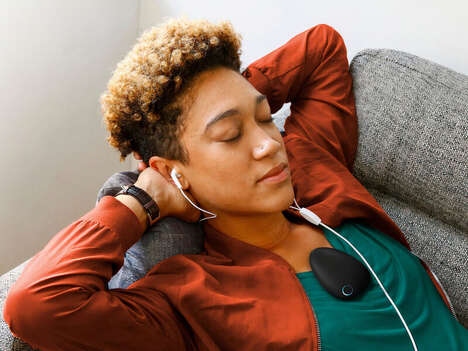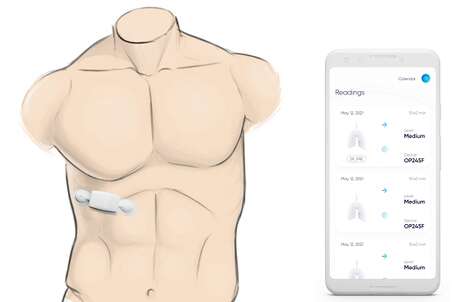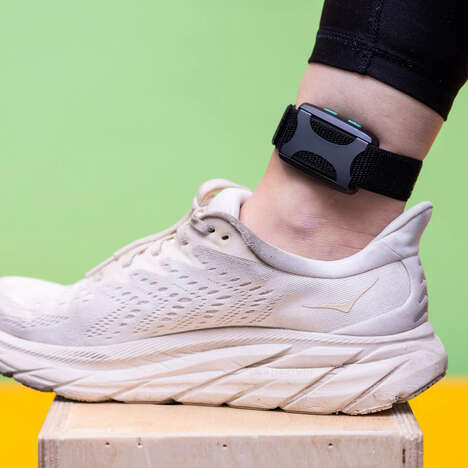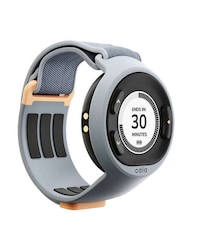
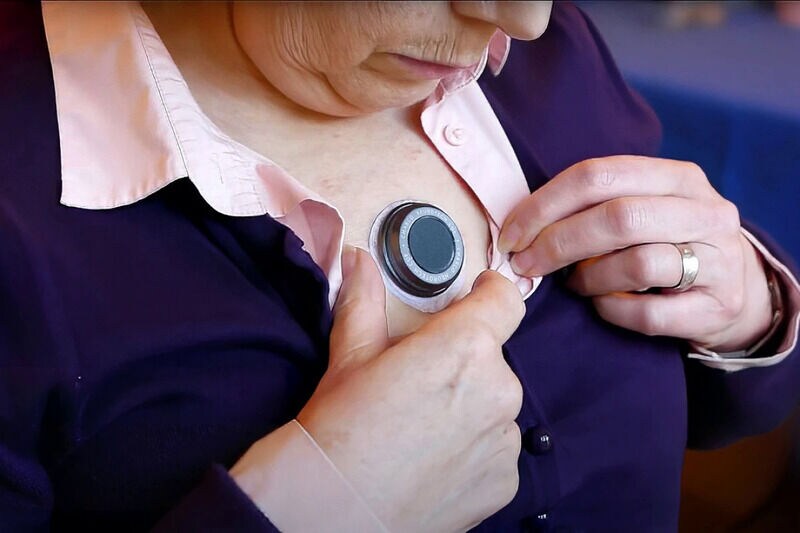
'Charco Neurotech,' the company that operates under the Imperial College London, announced the 'CUE1,' a chest wearable that reduces Parkinson's symptoms. The device works by attaching to a patient's chest with a light adhesive. Then, over time, the CUE1 sends controlled vibrations into the wearer's chest. These vibrations have been shown to reduce beta-frequency activity in the brain.
An excess of beta-frequency activities in the brain is thought to contribute to Parkinson's symptoms related to motor control impairments. Therefore, the CUE1 helps address motor control challenges for Parkinson's patients. The CUE1 works as either a standalone device or a paired device to a mobile phone to control its vibration patterns. These vibrations are also helpful as external forces, such as micro-vibrations, can encourage Parkinson's patients to move their muscles more often.
Image Credit: Charco Neurotech
Key Themes Behind This Trend
- Wearable Health Devices
- The development of wearable health devices can revolutionize the healthcare industry by simplifying medical care and improving patients' quality of life.
- Neurological Wearables
- The growth of neurological wearables can improve the management of a wide range of neurological conditions such as Parkinson's disease.
- Vibration Therapy Devices
- The increased use of wearable vibration devices can enhance physical rehabilitation and treatment for conditions affecting mobility such as Parkinson's disease.
Where This Applies
- Healthcare
- Healthcare companies can revolutionize the diagnostic process and enhance patient experience by infusing health wearables in their care plans.
- Pharmaceuticals
- Pharmaceutical companies can leverage these wearables to improve patient outcomes and better track drug efficacy over time.
- Technology
- The technology industry can capitalize on the potential of wearable devices to create more accessible and effective medical treatment options.