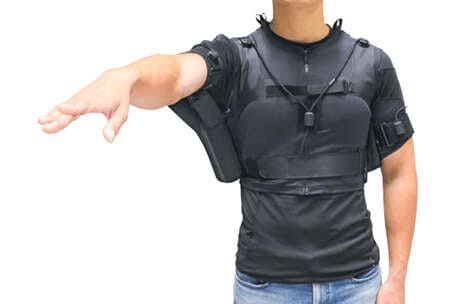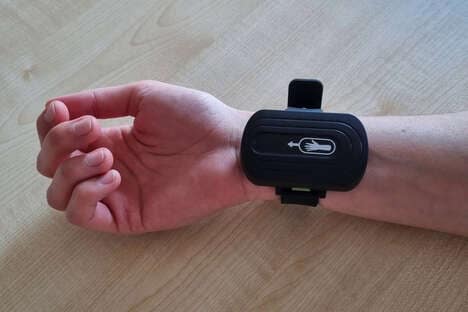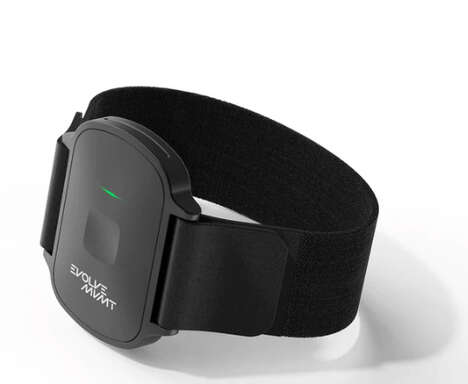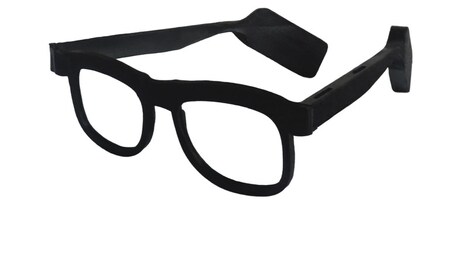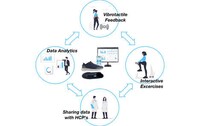
A team of scientists and engineers working out of ETH Zurich in Switzerland have developed a high-tech wearable system that is designed to help people who have experienced a stroke make progress in terms of improving their mobility and movement.
This wearable system comprises a smart earpiece and a motion-tracking watch. The earpiece component of the wearable system works by transmitting electrical impulses to the vagus nerve in the ear, which represents an improvement over surgically implanted devices that are typically used. Meanwhile, the watch contributes by sensing motion and then prompting the earpiece to zap the vagus nerve. Ultimately, the goal is to make use of reinforcement learning to unearth new ways to prompt movements that are hindered by stroke.
By making use of high-tech methods, this wearable system aims to leverage brain plasticity to improve the lives of people who suffer a stroke.
Image Credit: ETH Zurich / Donegan and Viskaitis
What's Driving This Trend
- Stroke Recovery Wearables
- Wearable technology focused on stroke rehabilitation can shift the current paradigm of traditional physical therapy.
- Vagus Nerve Stimulation Wearables
- Innovation in non-invasive vagus nerve stimulation for stroke rehab wearable technologies can lead to wider clinical applications for other types of brain damage and even anxiety disorders.
- Reinforcement Learning for Wearable Rehab
- The utilization of reinforcement learning can introduce a personalized and adaptable experience to wearable stroke rehabilitation technology.
Who This Affects Most
- Healthcare Technology
- Wearable technology that innovates traditional healthcare methods through smart wearables to facilitate personalized rehabilitation experiences.
- Medical Devices
- Non-invasive vagus nerve stimulation wearable devices for stroke rehabilitation can pave the way for new developments of medical devices with similar applications.
- Physical Therapy
- Innovative wearable systems that aid physical rehabilitation can transform traditional physical therapy sessions.