If you consistently have trouble falling asleep at night, this insomnia app could be the answer to your problems.
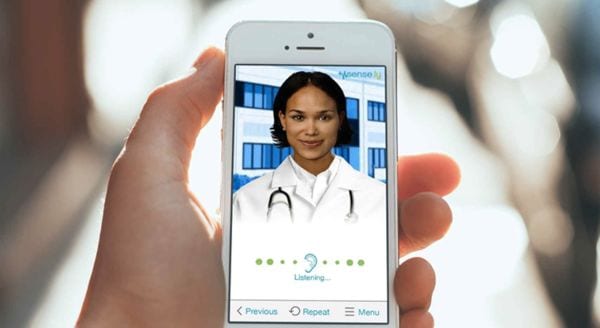
Sleepstation is developed by one of the United Kingdom's foremost sleep authorities Dr. Kirstie Anderson and uses cognitive behavioral therapy to help people sleep better. The insomnia app offers a six week therapy program that Anderson feels is more effective at curing insomnia than sleeping pills. The customizable app can be personalized to the user, making it even more likely to work.
While the $100 price tag of this program might be hefty, compared to free apps that provide a one size fits all solution to sleep problems, it is likely worth it. This is especially the case when you consider the cost of seeing a therapist in person for six weeks.
Why This Trend Is Growing
- Sleep Therapy Apps
- The growth of sleep therapy apps that use cognitive behavioral therapy to help people sleep better presents an opportunity for developers to create personalized solutions for users.
- Cognitive Behavioral Therapy
- The increasing use of cognitive behavioral therapy in sleep therapy apps presents an opportunity for therapists to offer digital therapy solutions.
- Personalized Healthcare Technology
- The move towards personalized healthcare technologies like sleep therapy apps presents an opportunity for tech companies to create solutions that can be adjusted to individual needs.
Industries Being Reshaped
- Healthcare Technology
- The healthcare technology industry can benefit from developing sleep therapy apps using cognitive behavioral therapy to help people sleep better.
- Telemedicine
- The telemedicine industry can benefit from incorporating digital sleep therapy programs into their services allowing increased access and affordability for patients.
- Mental Health Therapy
- The mental health therapy industry can benefit from incorporating digital cognitive behavioral therapy programs into their services for treatment of insomnia.