
Category
Business
Meal Junction
Brick and mortar spaces will likely undergo long term changes post-COVID.
What's Happening
Post-Crisis Retail: After the restrictions on public movement due to COVID-19 have eased or lifted around the world, retail spaces will still require additional safety measures in order to keep infection risks at a minimum. This will occur (and is already occurring) in the form of contactless payment systems, limiting customers in-store, and redesigned layouts that enforce physical distance between customers.
Insight
With physical distancing restrictions likely to be lifted before there's a vaccine for COVID-19, governments, brands and consumers alike are concerned about a resurge in infections when life goes back to the way it once was. Preventing this is of utmost concern for most, and so certain measures that lower risks are being considered by companies and institutions. Even once the crisis has resolved itself with a vaccine, the psychological mark it'll leave on people who's lives have been disrupted drastically because of this crisis will likely remain, causing brands to act accordingly.
Evidence
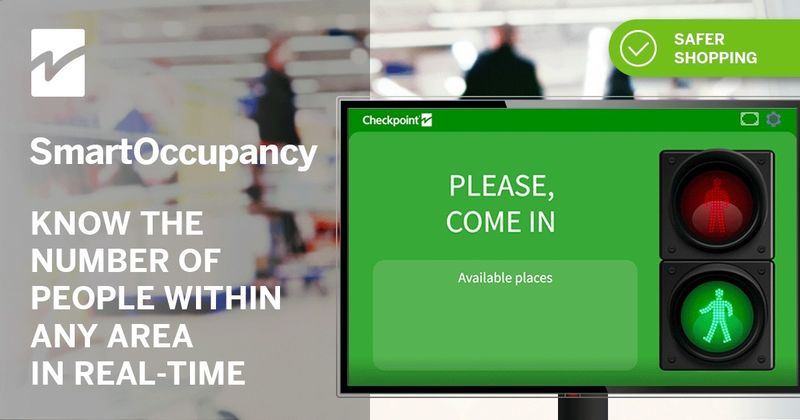
The SmartOccupancy System Tracks the Number of People in a Store
Retailers can take advantage of in-store occupancy tracking technology to ensure a safer in-store experience for customers, limit liability and support safer shopping during pande…
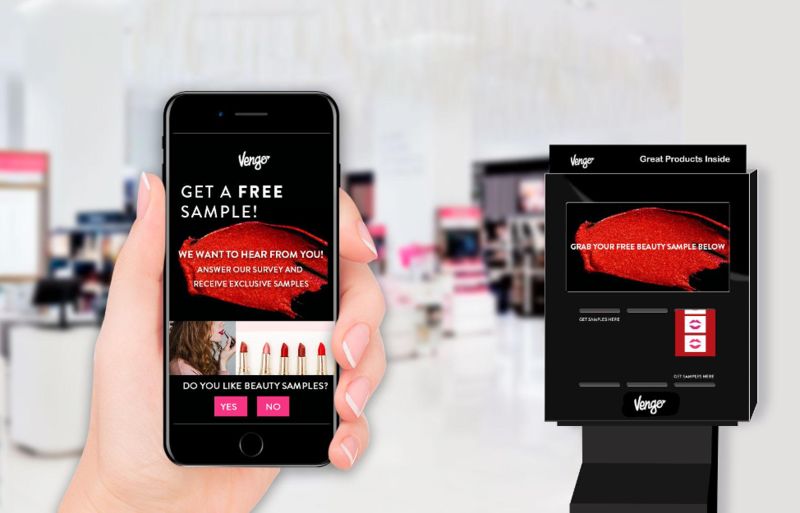
Vengo's Digital Kiosks Promote Discovery, Wellness and Safety
The retail industry will benefit from contactless sampling solutions as it allows for safer product discovery and data collection.
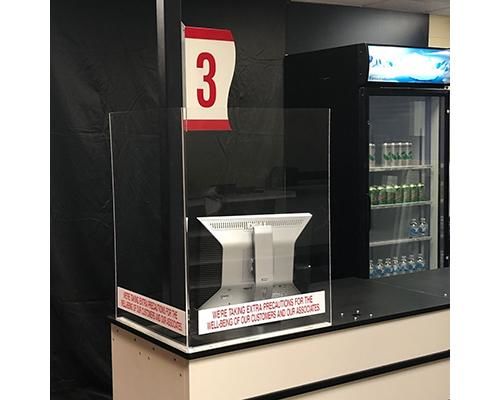
The SafetyGuard Plastic Shield Protects Employees and Shoppers
Manufacturers in the retail fixture industry can explore the production of custom-built plexiglass barriers and offer a range of mounting options to cater to the evolving safety n…
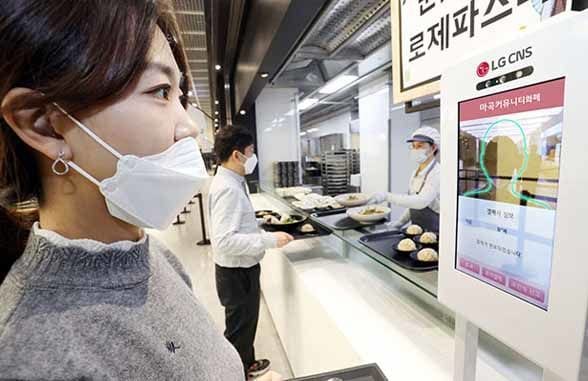
LG CNS' Facial Recognition Payments Combine AI & Blockchain
The retail industry can benefit from implementing facial recognition payment systems and unstaffed retail stores, providing customers with a seamless and safe shopping experience.
Workshop question
How is your brand preparing for a post-COVID world?
Trend signals
Trend score 5.5 out of 10, from popularity 87%, activity 71%, freshness 9%.
Trend themes
The implementation of contactless payment systems in retail spaces is likely to continue and even expand in the post-COVID world, providing opportunities for companies to create and improve these systems.
Retail store layouts will undergo changes to enforce physical distancing and provide safe shopping environments for customers, creating opportunities for companies to design and implement these changes.
Facial recognition payment systems, which were already in development, will become more useful and widespread as people and businesses prioritize contact-free payment options, creating opportunities for companies to develop and innovate these systems.
Industry implications
Retail companies will need to adapt and innovate to create safe and enjoyable shopping experiences for customers, while also implementing new technology and systems to promote safety.
Technology companies will have opportunities to develop new systems and products that support the changing needs of the retail industry and address concerns around physical distancing and safety.
The finance industry will need to adapt and improve to support the growing demand for contactless payment options, including digital currencies and facial recognition payment systems.