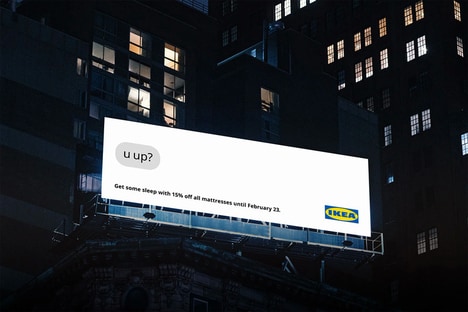
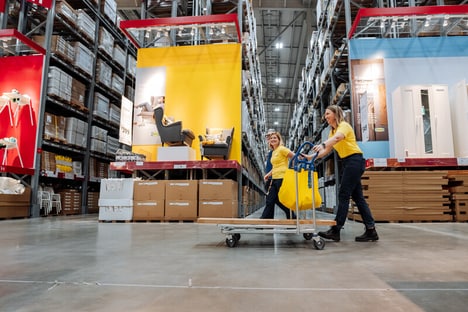
IKEA Indonesia utilized traffic data for a successful store campaign that heavily relies on location and time. Due to its size, the furniture shop destination is usually placed in urban areas that are considered difficult to reach. This, combined with Jakarta's heavy traffic situation, discourages people from visiting the sizable brick-and-mortar establishment. IKEA partners up with local media company Xaxis Indonesia to change perceptions and reveal that individuals "can make it to the store in less than an hour from downtown, or in some cases as fast as 15 minutes."
The clever store campaign made use of geo-targeting and time-based algorithms that are informed by the traffic conditions in Jakarta. Audiences were consistently reached based on distance, proximity, and interests. The location-referencing store campaign was able to drive a 300% increase in footfall for IKEA Indonesia.
Key Themes Behind This Trend
- Geo-targeting
- Opportunity for businesses to utilize traffic data and location-based algorithms to target audiences with personalized campaigns.
- Time-based Algorithms
- Incorporating real-time traffic conditions into advertising strategies, allowing businesses to reach customers at optimal times for increased footfall.
- Location-referencing Campaigns
- Using geographic proximity and distance to inspire and motivate potential customers to visit physical stores.
Where This Applies
- Retail
- Retailers can benefit from geo-targeting and location-based campaigns to drive footfall and increase in-store sales.
- Advertising
- Geo-targeting and time-based algorithms present an opportunity for advertising companies to deliver more precise and effective campaigns for their clients.
- Traffic Management
- The integration of traffic data with advertising strategies creates disruptive innovation opportunities for the traffic management industry to optimize traffic flow and reduce congestion.