

Category
Lifestyle
Baseline Support
Organizations are offering food waste solutions amid the COVID-19 pandemic.



What's Happening
Zero-Waste Pandemic: Many organizations are launching funding, toolkits, and tips to help curb food waste and deliver any excess food to those who need it most. These initiatives are geared to provide sustainable solutions during and after the COVID-19 pandemic.
Insight
Food waste has been a major existing concern for eco-conscious consumers for a while and now, many are recognizing the need to expand the reach of these initiatives to ensure that they better fit within the context of the COVID-19 outbreak. As the pandemic has created immense economic disparity and feelings of solidarity, consumers are looking to help one another in different ways. In doing so, they gain peace of mind not only in supporting those in need but also ensuring a more eco-conscious approach even when life is disrupted.
Evidence
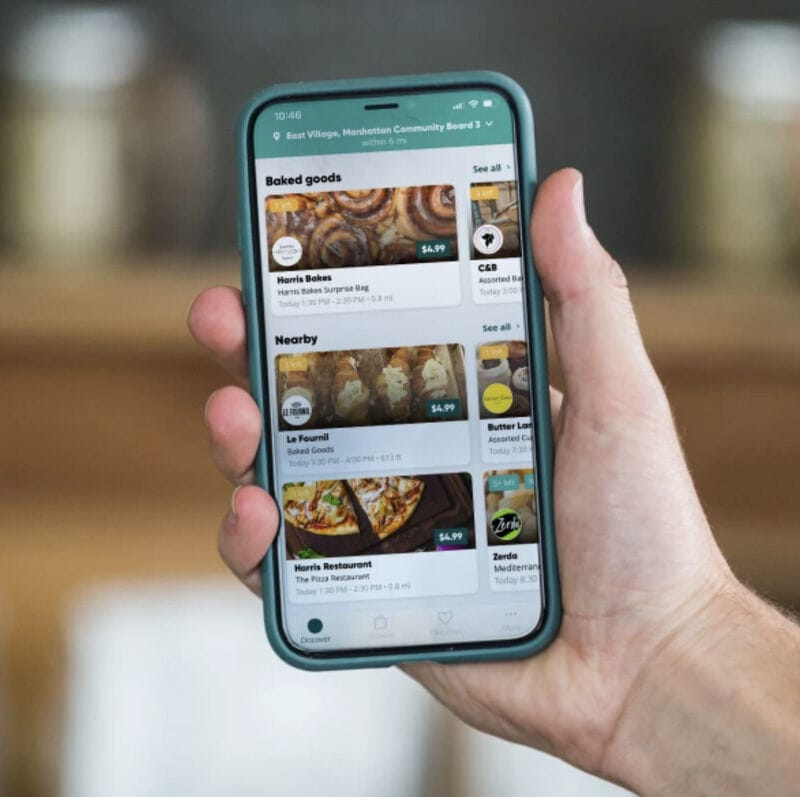
The FeedBack App Reduces Prices & Impacts on the Planet
Food delivery apps can explore partnerships with organizations that divert food waste in order to create more sustainable services.
China Controls Food Waste with the Clean Plate Campaign
Businesses can develop innovative technologies and products to help reduce food waste and promote sustainable farming practices.
ReFED Finds Food Waste Solutions & Provides Relief for Those in Need
Opportunity for farmers to explore partnerships and technologies that can help prevent food waste and find alternative distribution channels.
Too Good To Go Connects Consumers with Restaurant Leftovers
The food and beverage industry can leverage innovation in food waste reduction technology and business models to improve their sustainability efforts and reduce operational costs.
GreenUP Stresses the Importance of Sustainability During COVID-19
Grocery retailers have an opportunity to promote sustainability and zero waste by offering education, resources, and tools to help consumers reduce food waste.
The University of Kansas Project is Working to Reduce Food Waste
The restaurant industry can benefit from the toolkit in reducing food waste and food insecurity.
Publix to Buy Excess Food From Farmers to Give to Food Banks
Supermarkets can explore new business models that align with social responsibility, such as purchasing surplus foods from farmers and donating them to food banks.
Workshop question
How might your brand advocate for more sustainable choices amid a crisis?
Trend signals
Trend score 5.2 out of 10, from popularity 82%, activity 66%, freshness 10%.
Trend themes
Initiatives and funding to curb food waste during the COVID-19 pandemic are emphasizing zero-waste solutions.
Both public and private partnerships are increasingly focused on initiatives aimed at reducing food waste in order to lessen the burden of food insecurity.
Mobile applications are a growing trend for reducing food waste, connecting consumers with restaurants and vendors to rescue excess food.
Industry implications
Restaurants and other food service companies have a major impact on food waste and utilize the most innovative solutions to fight it.
Non-profits and charities are playing an increasingly important role in food waste reduction efforts by partnering with companies and distributing rescued food to those in need.
Advancements in technology have given rise to innovative mobile applications and other tools for tracking and reducing food waste.