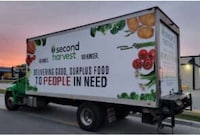
A partnership among University of Kansas researchers, students, local restaurants, and community agencies is continuing its work during the COVID-19 pandemic and its aim is to reduce food waste and food insecurity. The initiative is one-of-a-kind in the nation and it takes an analytical approach to solve problems of sustainability.
In order to meet its goals, collaborators of the project have created a toolkit "to help all sides reduce food waste [and] it will [be tested] this year when restaurants reopen." The group is taking questions like what consumers and restaurants know about food waste, how to help educate businesses and the public, and how to get excess food on the plates of those who need it most, into consideration.
Image Credit: Shutterstock
Why This Trend Is Growing
- Reducing Food Waste
- Analytical approach to sustainability can reduce food waste and food insecurity.
- Kitchen Toolkits
- A toolkit can be designed to help reduce food waste.
- Education on Food Waste
- Educating businesses and the public in reducing food waste can help community agencies resolve food insecurity.
Industries Being Reshaped
- Food and Hospitality
- The restaurant industry can benefit from the toolkit in reducing food waste and food insecurity.
- Education
- The project can partner with educational institutions and provide knowledge on reducing food waste.
- Nonprofits
- Cooperation with other community agencies can help reduce food waste and end food insecurity.