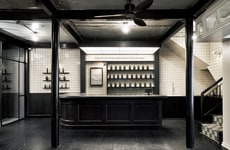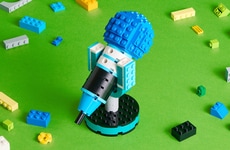


Stores are becoming hands-on learning environments for shoppers
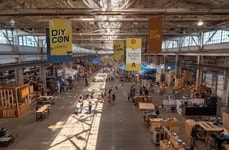
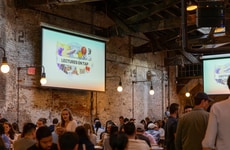
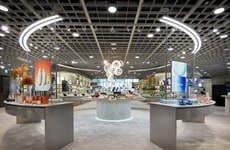
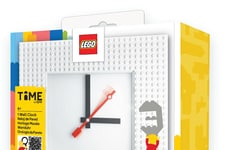
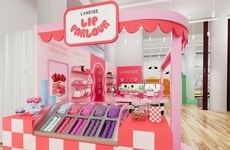
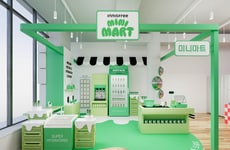
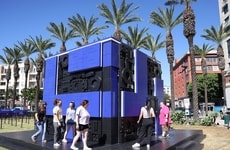
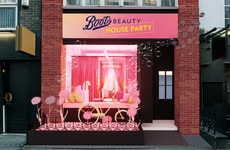
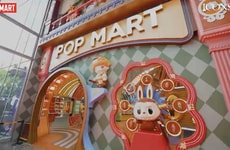
Trend - The brick-and-mortar retail environment is being redesigned around hands-on participation add-ons rather than solely display-led browsing. Stores are organizing workshops, DIY stations, community events, and other types of activations that align with their branding, industry, and product offerings. This shift gives shoppers a reason to physically show up in stores, beyond their need for a purchase.
Trigger - Designing for contribution, practice, and repeat attendance may matter as much as designing for conversion. Since consumers can already buy routine items quickly and conveniently online, the store visit needs to feel worth the time and effort. Many retail environments are addressing this need by shifting toward hands-on engagements that are entertaining, educational, and create a sense of community for visitors. This also feeds into a growing desire for offline interaction that still feels culturally current.
Trend Themes
-
Hands-on Store Learning — Retail spaces that teach practical skills through workshops, demonstrations and DIY stations create room for service models that turn product discovery into recurring education-based engagement.
-
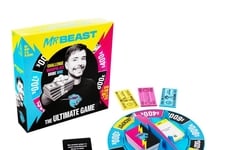
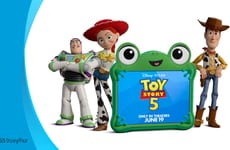
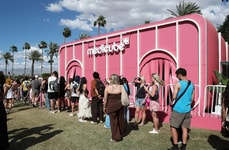
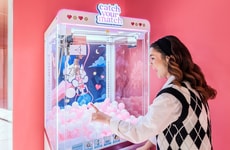
Creator-powered Participation — Digital fandom is moving into physical stores through creator partnerships, collectible rewards and branded activities that open pathways for retailers to convert online attention into repeat community attendance.
-
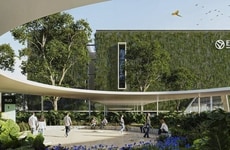
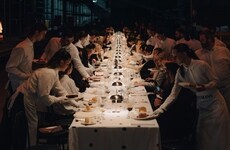
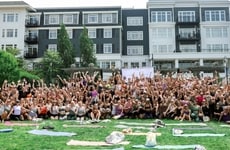
Community-led Brand Experiences — Events built around culture, wellness, charity and shared interests position stores as social destinations, revealing potential for brands to compete through belonging rather than merchandise alone.
Industry Implications
-
Retail — Physical retail is expanding beyond transactions into interactive programming, making store design, staffing and operations fertile ground for experience-led differentiation.
-
Entertainment — Fandom, live content, competitions and social sharing are becoming embedded in shopping environments, creating new formats where entertainment properties extend into everyday consumer spaces.
-
Education — Skill-building activities inside commercial environments are blurring the line between learning and shopping, suggesting new opportunities for informal education platforms tied to products and communities.