Category
Business
Category Mashups
Youth-facing retailers redesign stores as social, sensory destinations.
Trend
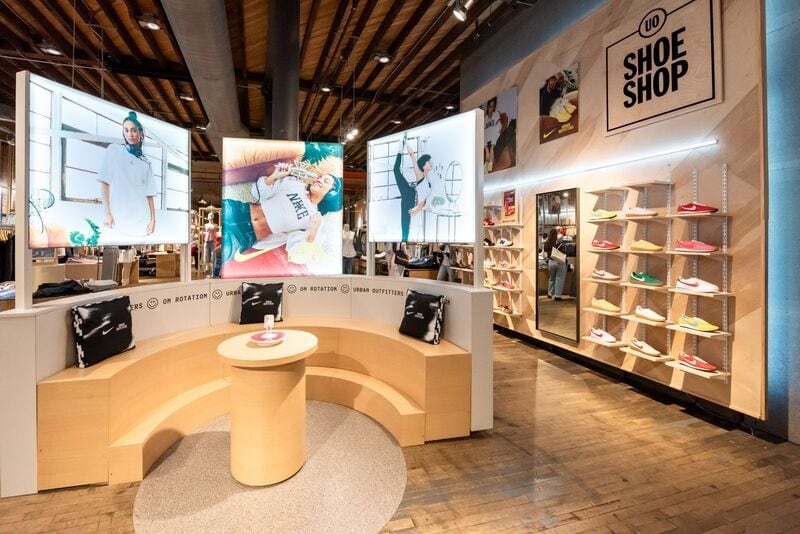
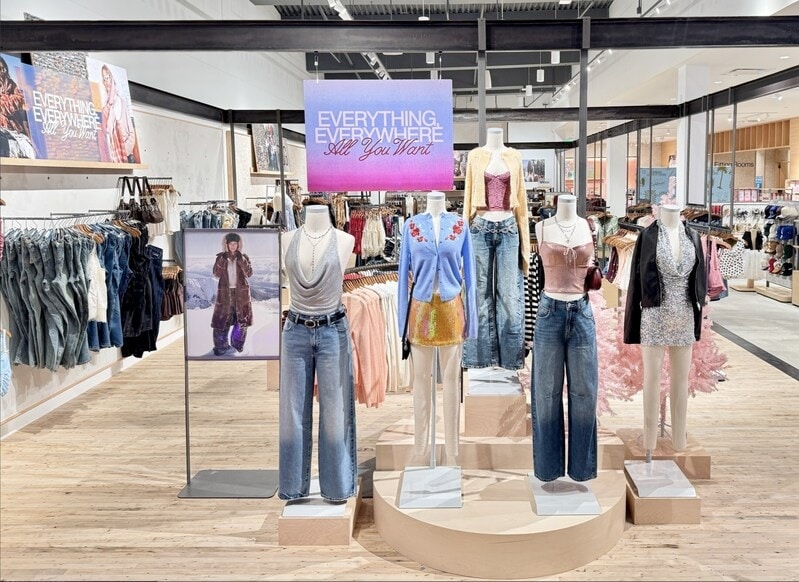
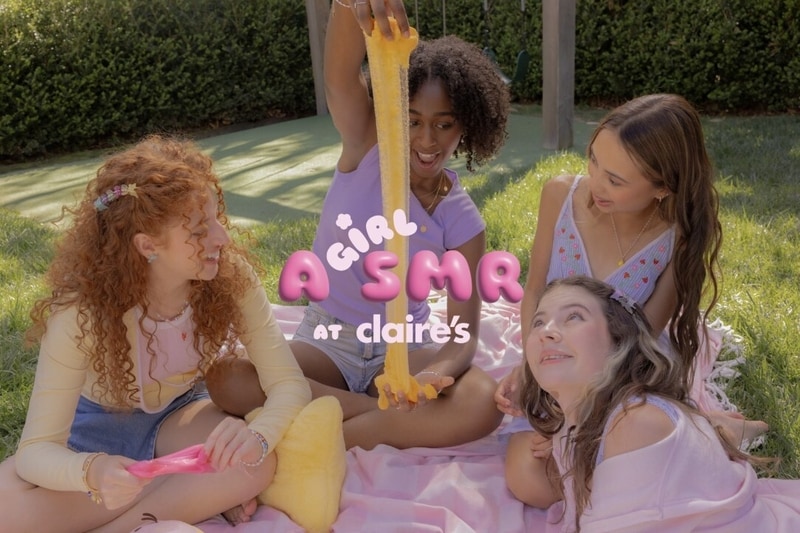
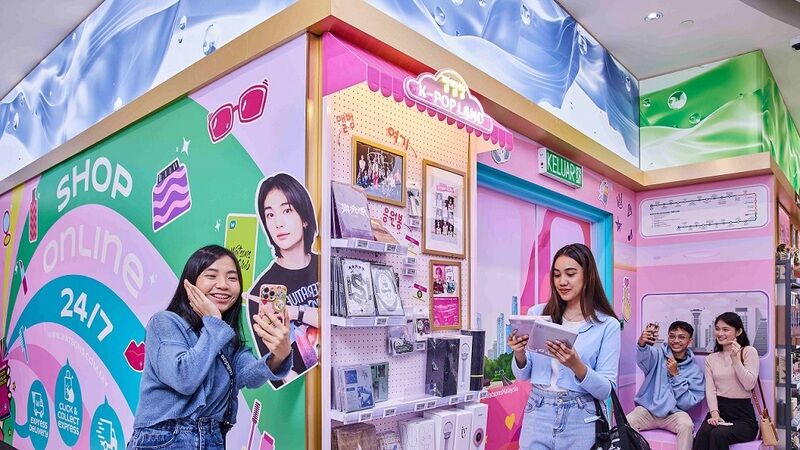
Phygital Hangouts: Retailers are reimagining youth-focused stores as immersive spaces that blend shopping, socializing, and content creation. Watsons Pink locations feature lipstick-shaped makeup bars and K-pop photo zones, Claire’s sensory stores include slime, squishies, and recording booths, and Urban Outfitters’ UO x Glendale concept uses modular fixtures and personalization informed by Gen Z shoppers.
Insight
Digitally native consumers are looking for physical spaces that offer more than product access. After years of online discovery, younger shoppers are drawn to stores that give them tactile interaction, creative control, and a reason to gather in person. Retail environments that feel playful, customizable, and camera-ready help transform shopping into a social experience, while youth-led design makes these spaces feel less like traditional stores and more like places consumers want to claim as their own.
Trend themes
Stores that merge physical hangouts with digital content creation create opportunities for platforms that monetize in-store social behaviors and user-generated media.
By integrating multisensory elements like texture, sound, and scent, retail spaces open pathways for experiential product-as-service models and sensor-driven personalization technologies.
Growing demand for youth-led design and modular retail environments points to opportunities for scalable co-creation platforms and inventory systems that adapt in real time to community preferences.
Industry implications
Design firms and prop-tech startups can capitalize on demand for modular, camera-ready environments that double as content studios and social venues.
Beauty brands and retail operators are positioned to explore subscription-based experiential offerings and in-store digital diagnostics that transform product trials into recurring experiences.
Content platforms and event producers may find value in building ecosystems that fuse short-form media, live micro-events, and branded retail touchpoints for Gen Z and Gen Alpha audiences.
Workshop question
Trend signals
Trend score 8.2 out of 10, from popularity 83%, activity 85%, freshness 78%.
Evidence
Urban Outfitters Debuts 'On Rotation' with Nike
Innovative retail environments that focus on experience and engagement are offering a competitive edge in an era increasingly dominated by e-commerce.
UO Insiders Insights Informed the UO x Glendale Store Experience
Claire’s Launches ASMR-Inspired Stores for Gen Alpha Shoppers
Boutique and youth-focused retailers stand to redefine foot traffic economics by turning merchandise assortments into interactive, shareable experiences that drive repeat visits.
Watsons Upgrades its Stores for Gen Z and Gen Alpha Consumers
The beauty retail industry benefits from interactive and thematic store designs that cater to younger demographics.