Category
Fashion
Seasonal Storytelling
Dupe culture enables luxury style access while spending smart.
What's Happening
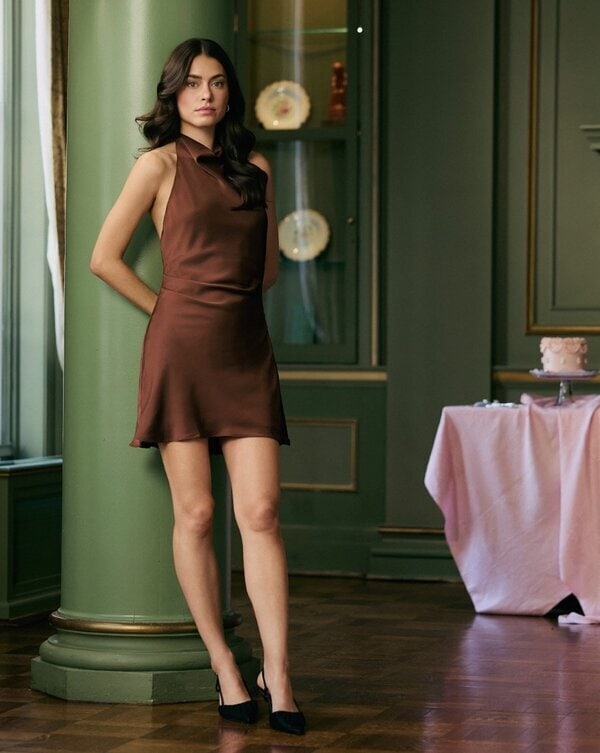
Frugal Flex: Retailers and brands are embracing dupe culture as consumers seek affordable alternatives to luxury across beauty and fashion; driving demand for products that mirror high-end aesthetics, formulations, and design—from makeup to apparel—at more accessible price points.
Insight
Gen Z and Millennials are redefining consumption by treating frugality as empowerment, using dupes to balance aspiration with financial caution. In uncertain economic conditions, they still seek self-expression and small luxuries without the risk of overspending. As such, dupe-driven shopping can enable experimentation and flexibility, letting consumers engage with high-end aesthetics while maintaining control over budgets.
Trend themes
Rising consumer demand for high-end lookalikes creates opportunities for low-cost manufacturers and indie brands to redefine perceived luxury through superior value and transparent sourcing.
A shift toward design-forward, premium-feeling products at accessible prices opens space for new product architectures that prioritize sensory parity with luxury originals over brand exclusivity.
Convenience-focused distribution—bringing dupe products from online virality into pharmacies and mass retailers—enables business models that blend viral marketing with localized, high-frequency purchase points.
Industry implications
Private-label formulations and fragrance reinterpretations in this industry can disrupt premium brands by offering near-equivalent sensory experiences at a fraction of the cost.
Cost-effective manufacturing and modular design approaches within apparel and accessories present paths to scale luxury-inspired aesthetics without traditional brand premiums.
Platforms that integrate social commerce, rapid restocking, and mass-channel placement are positioned to upend legacy retail by making aspirational products ubiquitously discoverable and purchasable.
Workshop question
Trend signals
Trend score 7.5 out of 10, from popularity 79%, activity 75%, freshness 70%.
Evidence
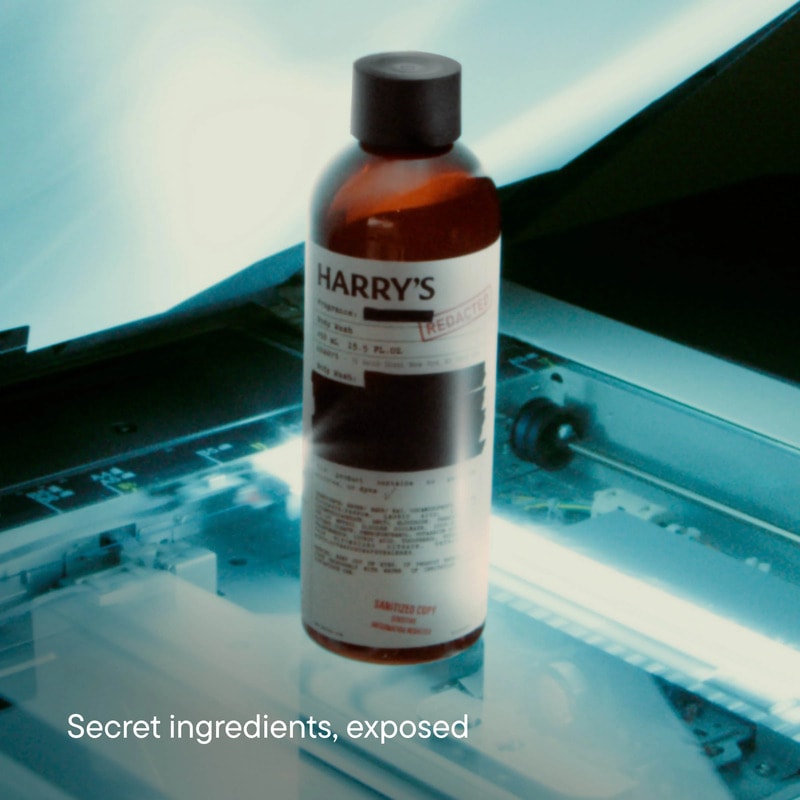
Harry's Redacted Body Wash Dupes a Favorite Fragrance House Scent
Cost-effective alternatives to premium scents in body washes and similar products are disrupting the traditional luxury fragrance industry by making high-end experiences accessibl…
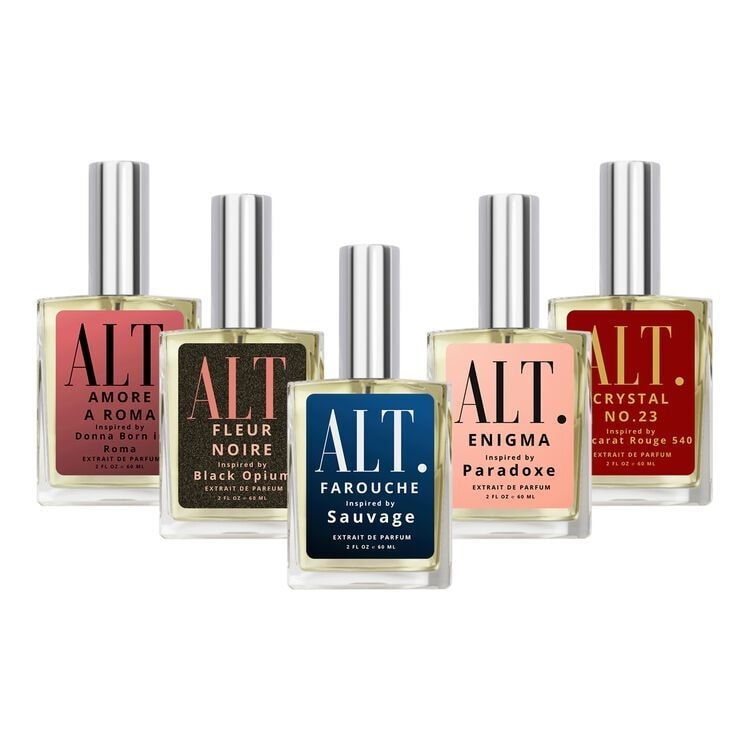
ALT. Fragrances Makes Cost-Conscious Interpretations of Scents
Large brick-and-mortar retailers are reshaping fragrance merchandising by introducing value-focused lines that attract budget-conscious and experimental shoppers.
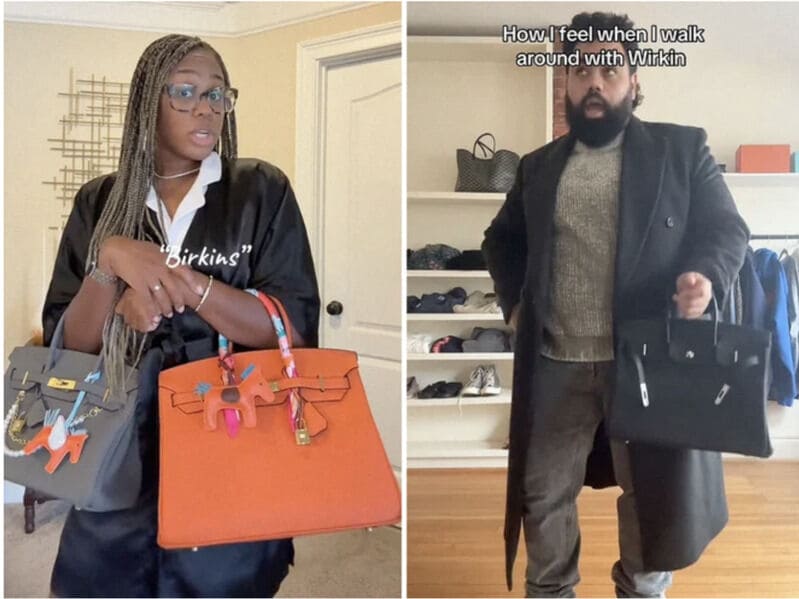
The 'Wirkin' Bag is Redefining Affordable Luxury and Dupe Culture
The fast fashion sector is witnessing a transition where replicas of high-end designs are gaining legitimacy as budget-friendly but stylish options.
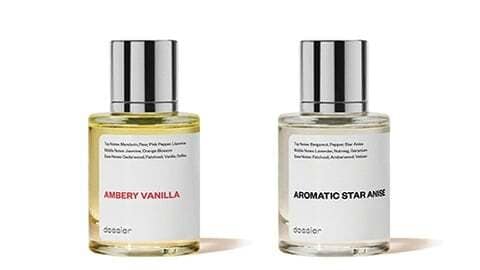
Dossier is Arriving into CVS Pharmacy Locations in the US
The fragrance and perfume industry is adapting to emerging consumer preferences for cost-effective and accessible luxury alternatives disrupted by niche dupe brands.