
Category
Lifestyle
Assisted Choices
Brands utilize the umami flavors of ssamjang to elevate Western dishes.

Trend
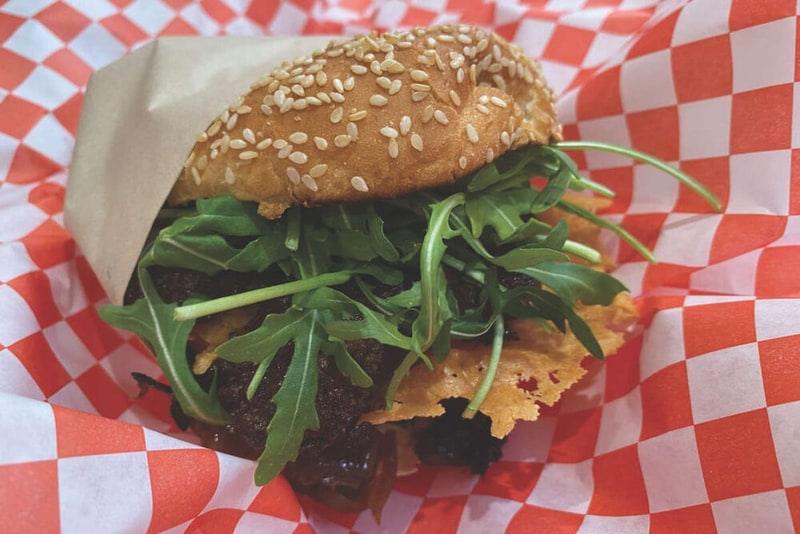
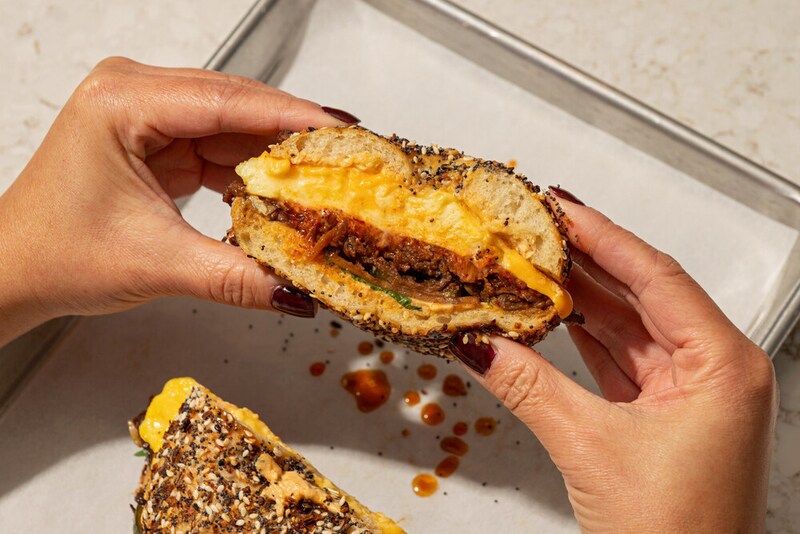
Ssamjang Spread: Brands are using ssamjang, a thick, savory Korean paste traditionally served with grilled meats and lettuce wraps in Korean barbecue, as a sauce or spread on Western dishes. This umami depth mimics the role of condiments like Worcestershire or steak sauce but adds complexity thanks to fermentation.
Insight
The growing popularity of Korean culture, fueled by K-pop and other forms of Korean media, has brought new ingredients and flavors to global consumers' attention. Interest in umami-rich, fermented foods is prompting brands to experiment with sauces that blend these notes while complementing Western cuisine. Companies in this space understand that their target consumers are drawn to culturally inspired flavors but are more willing to experiment when they are presented in approachable formats.
Trend themes
Rising consumer appetite for international tastes is creating space for ethnic condiments like ssamjang to be reimagined in mainstream formats, enabling novel hybrid menu items and mass-market products.
A renewed interest in fermented, umami-rich ingredients is expanding perceptions of savory depth beyond traditional stocks and sauces, driving opportunities for shelf-stable, flavor-forward formulations that replace or augment classic condiments.
An emerging practice of using sauces and spreads as core recipe components rather than mere toppings is shifting product development toward multi-functional condiments designed to integrate into sandwiches, pizzas, and prepared meals.
Industry implications
Menu innovation focused on crossover flavors and customizable condiments can disrupt traditional fast-casual formats by making globally inspired, chef-driven experiences accessible at scale.
Retail sauce and spread brands that leverage fermented-ingredient profiles and clean-label narratives have the potential to redefine category premiumization and shelf differentiation.
Advances in fermentation processes and flavor modulation technologies could enable scalable production of umami-rich bases and bespoke condiments that disrupt conventional ingredient supply chains.
Workshop question
Trend signals
Trend score 6.5 out of 10, from popularity 64%, activity 64%, freshness 68%.
Evidence
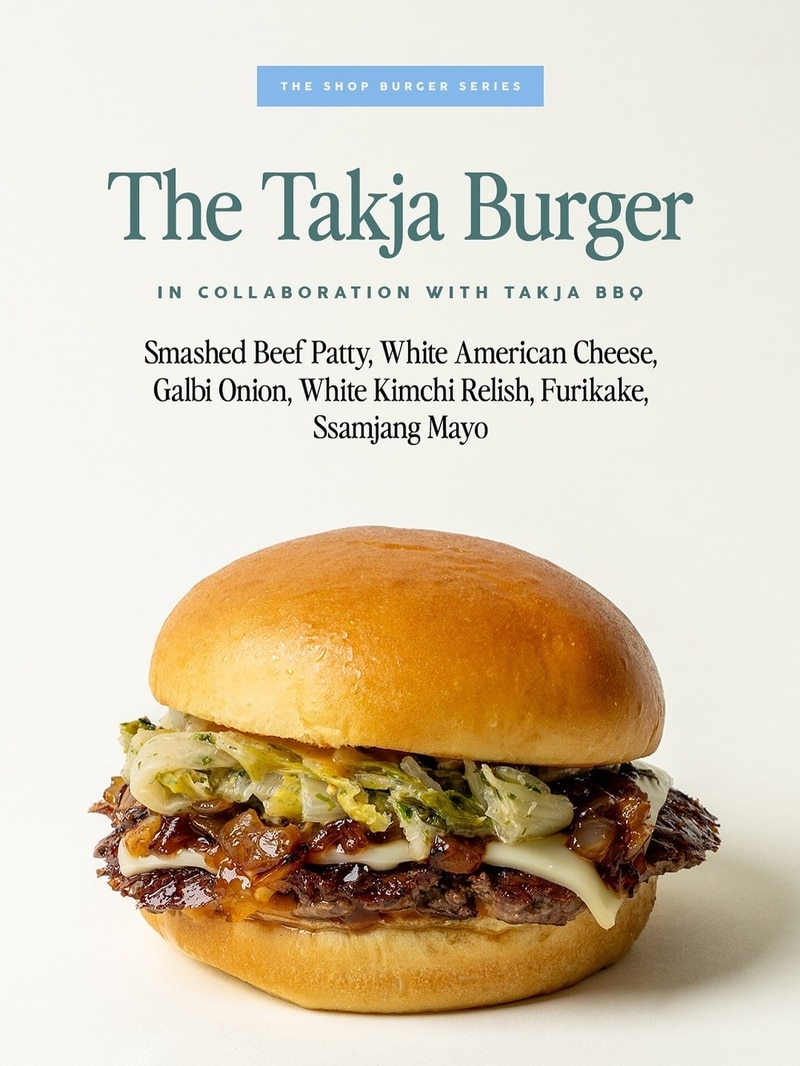
Burger Drops Teams Up with Takja BBQ House for a New Collaboration
Operators can leverage culinary partnerships to diversify revenue streams and increase foot traffic through limited collaborations that spotlight authentic flavors.
Oh G Burger Serves Up Korean-Inspired Burgers in Montclair, Oakland
Restaurants focused on speed and scale may be disrupted by menu-led differentiation that leverages niche ethnic flavors to drive higher check averages and loyalty.
Rise Bagels Incorporates Ssamjang Schmear, Kimchi Jjigae & More
Quick-service concepts are incorporating chef-led, globally inspired open-face offerings that emphasize fresh regional produce and distinctive schmears.
Domino’s Bakes a New Steak Pizza with Korean Ssamjang Sauce
Major pizza brands experimenting with global sauces and premium proteins indicate potential to disrupt standard menu hierarchies and customer acquisition strategies.